Elliot Dee Named to Start for Barbarians Against His Own Country
Dragons hooker Elliot Dee will line up against Wales in a Barbarians jersey at the Allianz Stadium on Saturday.
A Welshman in the Famous Black and White Hoops
There is no strange bedfellows quite like rugby union's most storied invitational side. Elliot Dee, the Dragons hooker and seasoned Wales international, has been named in the Barbarians starting XV to face Wales at the Allianz Stadium on Saturday. A man who has bled red for his country will, for one afternoon, wear the black and white hoops against them.
It is the kind of selection that only the Barbarians can produce. No other sporting institution asks its participants to turn against the jersey they have spent an entire career defending. And no other institution makes it feel like an honour rather than a betrayal.
The fixture represents something larger than a single hooker's selection. It is a collision between the old-world romanticism of invitational rugby and the modern professional machine. Dee will not be the first Welshman to face Wales in Baa-Baas colours, and he certainly will not be the last. But every time it happens, it stirs the same cocktail of pride and discomfort.
And this particular fixture carries an even deeper emotional weight: George North will finish his sparkling rugby career on Saturday when he plays for the Barbarians against his country Wales at the Allianz Stadium in Twickenham.
Who Is Elliot Dee?
For those outside the Welsh rugby bubble, Dee is no journeyman fill-in. He has earned over 30 caps for Wales since his international debut, establishing himself as one of the most reliable set-piece operators in the United Rugby Championship. His lineout accuracy and scrummaging technique have made him a cornerstone of the Dragons pack, even as the region has struggled for consistent results.
At club level, Dee has been a one-region man in an era of player migration. He has stayed loyal to the Dragons through lean years, through coaching changes, through seasons where wins were rationed like water in a desert. That loyalty has earned him respect in Newport and beyond, even if it has not always delivered the silverware his talent deserves.
His Wales career has been punctuated by moments of real quality. A dependable thrower, a tireless carrier around the fringes, and a defender who rarely misses his man. He has operated in the shadow of bigger names at hooker, but his consistency has kept him in the international conversation across multiple coaching regimes.
Now he faces the peculiar challenge of preparing to play against the very teammates and coaching staff who have shaped his international career.
The Barbarians Tradition
The Barbarians remain one of sport's great anachronisms. In an age of data analytics, salary caps, and load management, they exist as a throwback to rugby's amateur ethos. No contracts. No home ground. Just an invitation, a set of famous hooped jerseys, and the expectation that you will play with flair, ambition, and a smile.
Founded in 1890, the Baa-Baas have a history that reads like a who's who of the global game. Gareth Edwards, David Campese, Jonah Lomu, Serge Blanco. The greatest players of every generation have pulled on those hoops and produced some of the sport's most iconic moments. That 1973 try against New Zealand in Cardiff still lives in rugby's collective memory more than five decades later.
The tradition of selecting players to face their own nations dates back generations. It is considered a mark of respect, not a slight. When the Barbarians pick you, they are saying your talent transcends national allegiance. Dee's inclusion against Wales is, in that context, a compliment of the highest order.
But make no mistake. Once the whistle blows, the pleasantries evaporate. The Barbarians may play with a smile, but they play to win. And Dee, competitive animal that he is, will not be out there to make up the numbers.
What Saturday Represents
The Allianz Stadium, Twickenham's commercial identity in its modern incarnation, provides the stage for this collision. It is a venue steeped in English rugby history, which adds another layer of irony. A Welshman, playing for a nomadic invitational side, in the spiritual home of English rugby, against his own country.
For Wales, the fixture carries a different kind of significance. International rugby windows are precious commodities, and every match serves a purpose. Whether this is a development opportunity for fringe squad members, a chance to build cohesion ahead of a summer tour, or simply a payday wrapped in tradition, the coaching staff will demand professionalism.
For the Barbarians, it is business as usual. Assemble late, train briefly, play expansively, entertain the crowd. The formula has not changed in over a century, and there is no reason it should.
Dee will slot into the front row alongside players he has opposed in URC trenches. He will pack down in scrums against forwards he has shared dressing rooms with. He will throw lineouts to jumpers who have called his ball for Wales. The cognitive dissonance is real, even for a professional.
And for North, it will be the final act of a sparkling career — one last dance against the country he represented with such distinction.
The Locker Room Dynamic
Picture the Barbarians changing room before kickoff. A collection of players from different nations, different clubs, different systems, united only by an invitation and a jersey. Some will know each other well. Others will have met for the first time earlier in the week. The atmosphere will be loose, relaxed, almost festival-like.
Contrast that with the Wales dressing room down the corridor. Familiar faces, established hierarchies, a shared history forged through Six Nations campaigns and World Cup heartbreak. The intensity will be different. The preparation will be sharper. The stakes, however symbolic, will feel heavier.
Dee will have experienced both environments in his career. But never simultaneously. He knows what it means to sing Hen Wlad Fy Nhadau before a Test match. On Saturday, he will stand respectfully while someone else sings it for the opposition.
What It Means
Dee's selection is a footnote in the grand sweep of rugby history, but it is the kind of footnote that captures why the sport retains its romantic pull. In football, the idea of a player facing his national team in an exhibition jersey would be met with confusion or outrage. In rugby, it is celebrated.
For the Dragons, the selection validates their academy product and signals that their players remain in the international conversation despite the region's struggles. For Welsh rugby more broadly, it is a reminder that the pipeline of front-row talent continues to produce.
Saturday will not define Dee's career. His caps for Wales, his years of service at Rodney Parade, his reliability under pressure. Those things are already written. But for 80 minutes at the Allianz Stadium, he will experience something most players never do: the strange, surreal privilege of facing your own flag while wearing someone else's colours.
For George North, those 80 minutes will be a farewell — the closing chapter of a career that has lit up Welsh rugby for over a decade.
That is the Barbarians. That is why they endure.
Updated: 2026-06-25 — Added information about George North finishing his career in the Barbarians vs Wales match
Editorial Integrity
This is an original SportPulse article written by our editorial team. All content is independently researched, written, and reviewed by our writers and editors before publication. We do not publish copied, aggregated, or syndicated content.
SportPulse is committed to original sports journalism. Read our editorial policy or contact us with any questions.
More Like This
All long-reads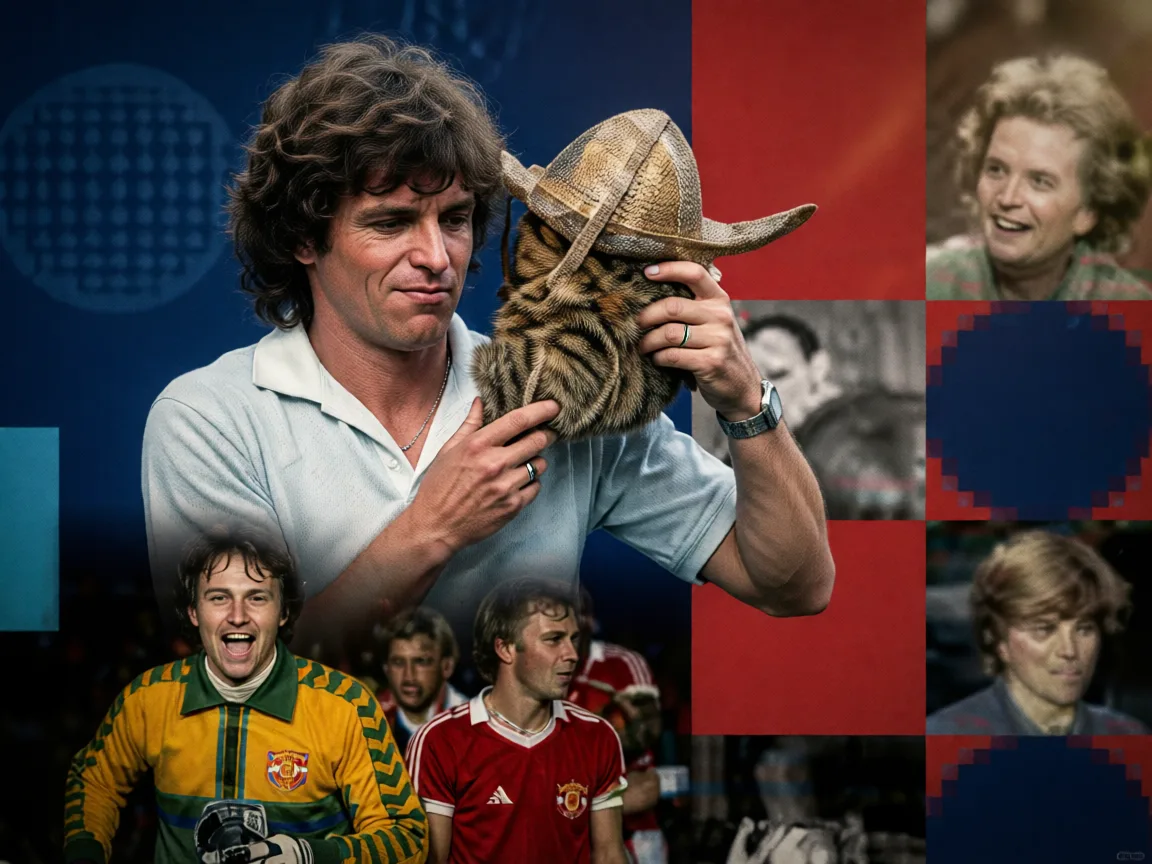
The Night Norway Beat England and a Legend Was Born
Bjørge Lillelien's unhinged 1981 rant after Norway stunned England remains the greatest commentary moment in football history.
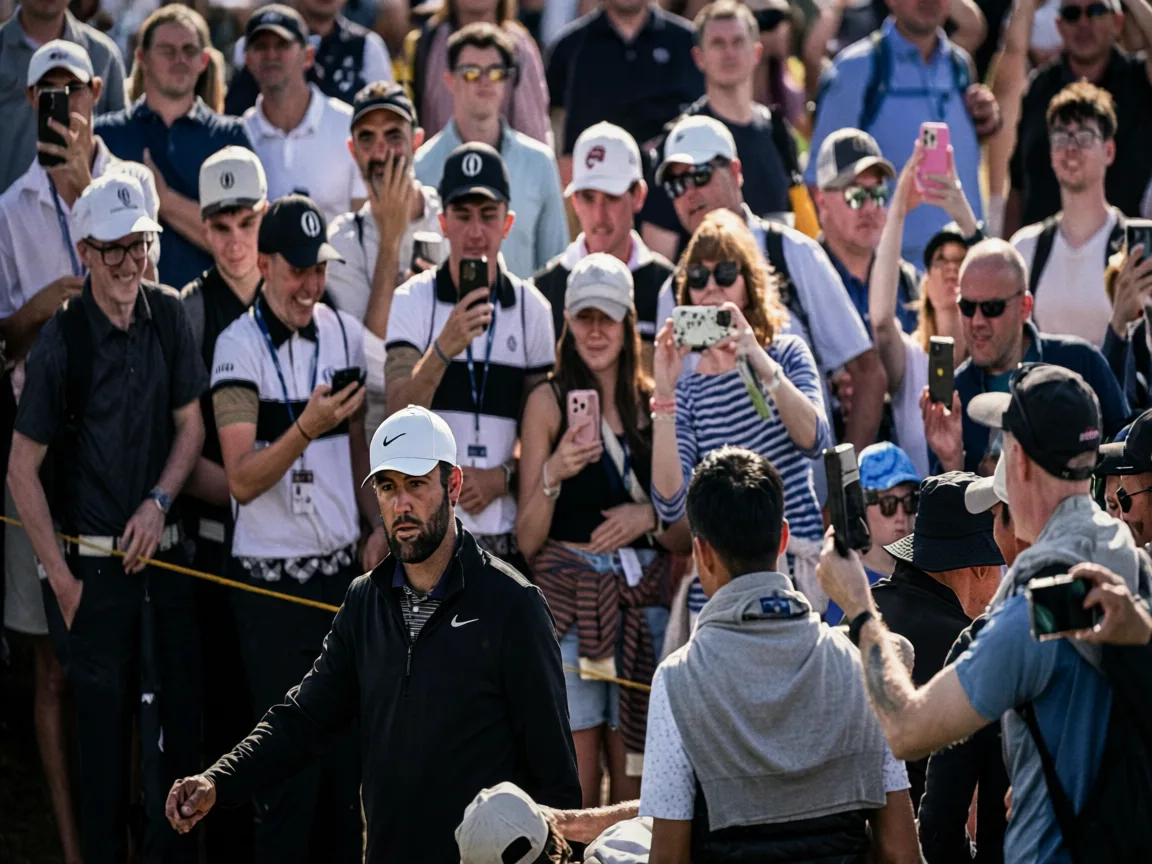
The Open's New Fan Code: Polite Request or линия in the Sand?
The R&A quietly rolled out a behavioral code for spectators at Royal Troon. Behind the corporate language lies a stark warning.
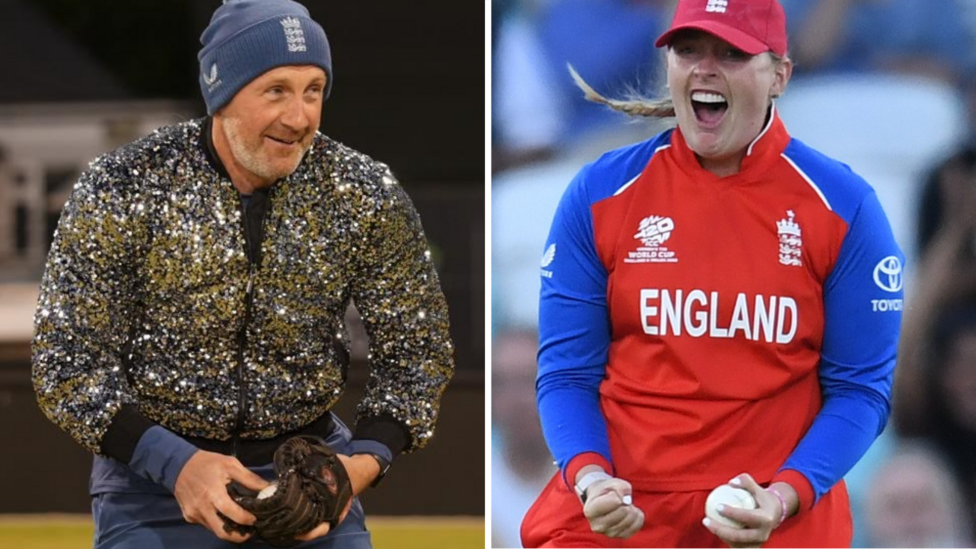
The Sparkly Jacket That Saved England's Fielding
A glittering disco jacket and relentless drills turned England's fielding from a chronic weakness into a formidable strength.