The Lord's Masterpiece: How England's 2017 World Cup Win Changed Everything
Seven years on, England's 2017 World Cup triumph at Lord's remains the watershed moment that transformed women's cricket from niche appeal to national obsession.
July 23, 2017 remains etched in sporting folklore. 28,000 fans packed into Lord's to witness a finale that transcended the sport itself. England defeated India by nine runs to claim the ICC Women's World Cup. It was not just a victory. It was a cultural reset.
The match delivered a narrative so perfect that scriptwriters would have rejected it for being too dramatic. India needed 114 runs off 108 balls with 8 wickets in hand. The trophy seemed destined for a flight to Mumbai. Then came a collapse of monumental proportions, triggered by a bowler who refused to accept the inevitable.
Former captain Heather Knight, openers Tammy Beaumont and Lauren Winfield-Hill, and seamer Anya Shrubsole have now opened up about that extraordinary day. Their reflections peel back the layers of a triumph that moved the women's game from the margins to the mainstream.
The Platform and the Pressure
Mark Robinson's squad entered the tournament carrying the weight of a frustrated cricketing nation. England had not lifted the World Cup since 1993. A generation of talented cricketers had come and gone without tasting global glory. The pressure was suffocating.
The group stage was a rollercoaster. A heavy defeat to Australia raised immediate doubts about their credentials. But the team rallied, finding form at the precise moment the stakes reached their highest. They peaked in the knockout rounds, sweeping past South Africa in the semi-final to set up a winner-takes-all clash with India at the Home of Cricket.
Tammy Beaumont set the tone at the top of the order throughout the tournament. She amassed 359 runs across the competition, providing the explosive starts that defined England's campaign. Her aggressive intent shifted the momentum before opposition bowlers could settle.
Lauren Winfield-Hill was the perfect complement at the top of the order. Together, they formed a partnership that dismantled bowling attacks and posted totals that gave the middle order freedom to play. The platform they built throughout the summer was the foundation of the entire run to Lord's.
The Final Unfolds
Electing to bat first on a sluggish Lord's track, England posted 228 for 7 in their 50 overs. It felt below par. The pitch was tricky, but the total seemed vulnerable against India's deep and dangerous batting lineup.
India's chase started cautiously. Then Punam Raut and Harmanpreet Kaur accelerated. Boundaries flowed. The required rate plummeted. The Lord's crowd, predominantly backing the home side, grew anxious. English shoulders dropped as the match slipped away.
Inside the England dressing room, the atmosphere was tense but defiant. Coaches paced the balcony. Support staff watched through their fingers. Players sat in silence, absorbing the reality that a World Cup was slipping from their grasp. Yet Knight maintained a visceral presence on the boundary, clapping relentlessly, refusing to let the body language turn defeatist.
When Veda Krishnamurthy fell, the floodgates opened. India collapsed from 194 for 4 to 219 all out. 9 runs separated glory from despair. It was a implosion that defied cricketing logic. And at the center of the chaos was Anya Shrubsole.
The Shrubsole Spell
What followed entered the pantheon of greatest individual sporting performances on British soil. Shrubsole took 6 for 46, including a devastating spell that ripped through India's lower order. She bowled with devastating late movement. She hit pinpoint lengths that made scoring impossible.
"I just ran in and hit the pitch hard. Sometimes the game slows down and you see everything clearly. That day, everything clicked." — Anya Shrubsole
Two wickets in two balls swung the pendulum irreversibly. India simply had no answer to her accuracy and relentless aggression. The delivery to bowl Raut for 86 will forever be the defining moment of that final.
Knight's leadership proved pivotal. Her field placements, her unwieldy faith in her strike bowler, and her relentless energy kept the belief alive in the field. When the final wicket fell, she sprinted from mid-off, arms outstretched, face etched with raw, unfiltered emotion.
Inside the Lord's Dressing Room
The Lord's Long Room has hosted some of cricket's most historic moments. But what happened after the trophy presentation was just as special. The squad returned to the dressing room to find it packed with former players, administrators, and family members who had pioneered the women's game through decades of systemic neglect.
Beaumont and Winfield-Hill burst through the doors, spraying champagne and screaming until their voices cracked. Shrubsole sat in the corner, physically drained, staring blankly at the ceiling as teammates embraced her. It was utter chaos. Pure, unadulterated joy in its most primal form.
"We walked into that dressing room and saw legends of the game crying. It hit us then. This wasn't just about us. It was about everyone who fought for women's cricket when nobody cared." — Heather Knight
Statistical Dominance
The numbers underline England's superiority throughout that summer. Their campaign was built on collective brilliance rather than individual heroics, even though individual heroics were abundant.
- Tammy Beaumont: 359 runs at the top of the order, averaging over 35
- Anya Shrubsole: 11 wickets in the tournament, peaking when the trophy was on the line
- Natalie Sciver: 182 runs including two centuries, providing crucial middle-order impetus
- Team fielding: 9 catches taken in the final alone, demonstrating the standard set under pressure
The Bigger Picture
The 2017 victory did far more than end a trophy drought. It fundamentally altered the trajectory of women's cricket in Britain. Television viewership peaked at 1.6 million during the final. Social media engagement shattered all previous records for a women's sporting event in the UK. The momentum generated that day carried directly into the inaugural Hundred competition, the Kia Super League, and increased professional contracts.
Crucially, the win brought unprecedented media attention. Young girls who watched that Sunday at Lord's saw themselves represented on the grandest stage. Cricket stopped being a sport for men in whites and became a genuine career path for women. Participation spiked. The narrative shifted entirely.
The commercial impact was immediate and sustained. Sponsorship deals followed. Broadcasters demanded more women's content. The ECB invested heavily in England's domestic structure, creating pathways that simply did not exist prior to that Lord's afternoon.
What It Means
Seven years later, the echoes of that World Cup final continue to reverberate across the global game. England are no longer chasing relevance. They are operating from a position of power, drawing record crowds at The Oval and selling out Lord's for Test matches.
The 2017 generation proved that women's cricket could deliver drama, tension, and sporting excellence on par with anything the men's game offers. It demanded attention through performance rather than rhetoric. Every professional contract signed by a female cricketer in England today traces its lineage back to that Lord's final.
Knight, Beaumont, Winfield-Hill, and Shrubsole are not just World Cup winners. They are architects of a revolution. And that Sunday at Lord's was their masterpiece.
Editorial Integrity
This is an original SportPulse article written by our editorial team. All content is independently researched, written, and reviewed by our writers and editors before publication. We do not publish copied, aggregated, or syndicated content.
SportPulse is committed to original sports journalism. Read our editorial policy or contact us with any questions.
More Like This
All long-reads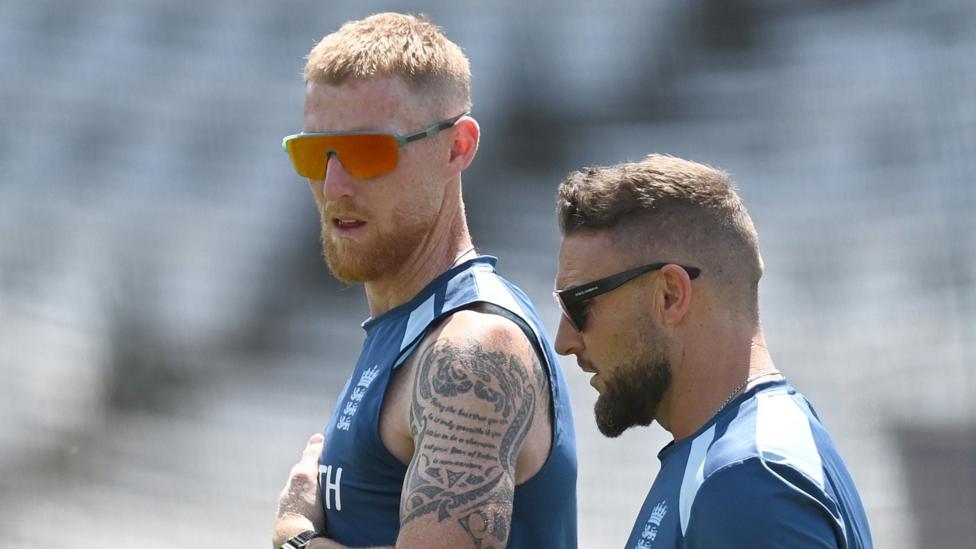
Vaughan Demands Leadership Overhaul After Stokes Exit
Michael Vaughan insists Ben Stokes' ODI retirement exposes systemic leadership failures requiring sweeping changes across English cricket.
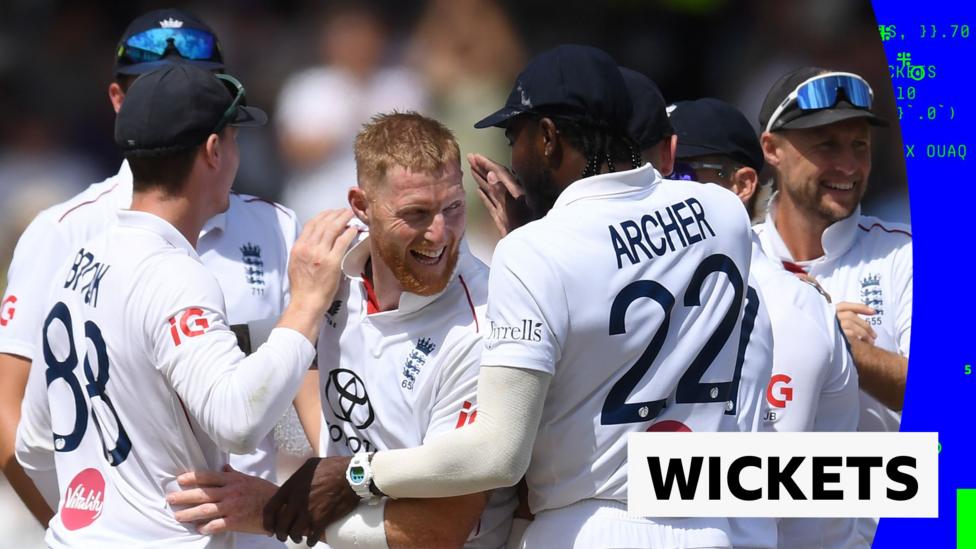
Ten Balls of Carnage: England Seize Trent Bridge
Three wickets in ten balls vaporized New Zealand's momentum, turning a commanding 204-4 into a precarious 206-7 on day four.

From Bunker to History: Sam Burns Fires 62 at Royal Birkdale
Sam Burns holes out from a bunker on 18 to card 62 at the Open, tying the all-time major championship record.