England Fall Short Again: Tuchel's Gaps Laid Bare by Argentina
Another semi-final exit for England. Tuchel's side showed fight but Argentina exposed the quality gap that effort alone cannot close.
England are going home. Again. Thomas Tuchel's side fell 1-0 to Argentina in a World Cup semi-final. The defeat confirmed a familiar narrative: Three Lions' roar meets reality on the global stage.
This was a match defined by moments, not control. The South Americans executed their plan when it mattered most. England, for all their pressing and passion, simply could not match that clinical edge.
The headlines will focus on the result. But beneath the surface lies a more uncomfortable truth for English football. Tuchel has built a team with spirit, yet the semi-final proved they lack the all-round quality required to lift a World Cup trophy.
A Game Decided by Composure
Argentina did not dominate possession. They did not need to. What they did was control the tempo and punish the single lapse that England presented.
Tuchel had set up England with a compact midfield block, designed to frustrate and create transition opportunities. For 75 minutes, it largely worked. The back four held a high line, pressing aggressively.
Argentina's goal was a masterclass in exploiting space. A quick switch of play caught the English defensive shape shifting. One touch. One finish. The composure in the box was undeniable, and it was the defining moment of the night.
England tried to respond immediately. Tuchel's substitutions injected urgency and pace. The attack became more direct. But crossing into a crowded penalty box is a strategy Argentina's centre-backs comfortably absorbed.
The ball retention from Argentina in the final 10 minutes was striking. They played keep-ball. England chased shadows, their energy drained by the relentless pursuit of an equaliser.
The Dugout Atmosphere
After the final whistle, the England bench was a picture of quiet despair. Tuchel stood motionless on the touchline, arms crossed, staring at the pitch long after his players had trudgelessly headed towards the tunnel.
Coaches slumped into seats. The tactical boards were left untouched, their formations and arrows now rendered meaningless. A stunned silence gripped the backroom staff.
Tuchel eventually gathered his squad on the pitch. He spoke to them for several minutes, his voice low but firm. The message was reportedly one of pride in their effort, mixed with the harsh reality of what had just unfolded against a more streetwise opponent.
What England Lack: A Tactical Breakdown
This match was a microcosm of England's tournament under Tuchel. Effort, spirit, and organisation are present in abundance. The missing ingredient is an elite tier of technical execution in the crucial phases of play.
England have players who excel in the breakneck pace of the Premier League. But international football is a different beast. It requires patience, the ability to manipulate a low block, and breaking down teams who sit deep.
Argentina demonstrated this perfectly. They were comfortable playing without the ball for long stretches. Their attacking players drifted into pockets of space, while England's attackers often remained fixed on the touchline.
"We had the spirit, we had the moments, but we didn't have the small details that make the difference at this level." — Thomas Tuchel, reflection on the defeat.
Tuchel's tactical setup was sound, but it asked players to perform tasks outside their natural wheelhouse. Asking dynamic wide players to become possession-retainers stunted England's attacking flow.
The lack of a natural number six also became glaringly apparent. Argentina's midfield maestro was given too much time to dictate play. England's midfield ran hard but couldn't match the intelligence of their opponents' positioning.
Argentina's Blueprint for Success
Argentina's victory was built on a foundation of tournament know-how. They have been here before. Their players understand the geometry of a World Cup semi-final.
The South Americans made 11 interceptions in the final third. They blocked passing lanes and ensured England's build-up was always lateral, never penetrative.
Argentina managed only 3 shots on target. Their shot conversion was a clinical 33.3%. England, by contrast, managed 5 shots on target but could not convert a single one.
The passing accuracy for Argentina in the final third was 87%. England's was 72%. This gap in technical precision under pressure is what separated the two teams.
The Road Ahead for Tuchel
Tuchel faces a significant rebuild. The World Cup cycle is over for this group. A new generation must be integrated.
The Football Association will be asking serious questions about the team's technical development pathways. Why do England's players look so refined for their clubs but so restrictive for their country?
The answers are complex. The Premier League's physicality is a factor, but not an excuse. Tuchel was brought in to solve this very problem, but the semi-final suggests the issue is deeply rooted.
Tuchel must look to the under-21 setups and the broader English football culture. He needs players who are as comfortable in tight spaces as they are in full-sprint transitions.
What It Means
England's World Cup dream is over. The wait for a major international trophy extends beyond 60 years. The semi-final exit is a painful reminder that thirst alone is not enough.
Argentina's victory sends them to the final with confidence and a clear template for success. They have the tools to win back-to-back world titles.
For Tuchel, this defeat will define his early England tenure. He must use it as a catalyst to forge a team that not only competes with the elite but genuinely matches their quality. Effort gets you to the semi-final. Quality gets you the trophy.
Editorial Integrity
This is an original SportPulse article written by our editorial team. All content is independently researched, written, and reviewed by our writers and editors before publication. We do not publish copied, aggregated, or syndicated content.
SportPulse is committed to original sports journalism. Read our editorial policy or contact us with any questions.
More Like This
All football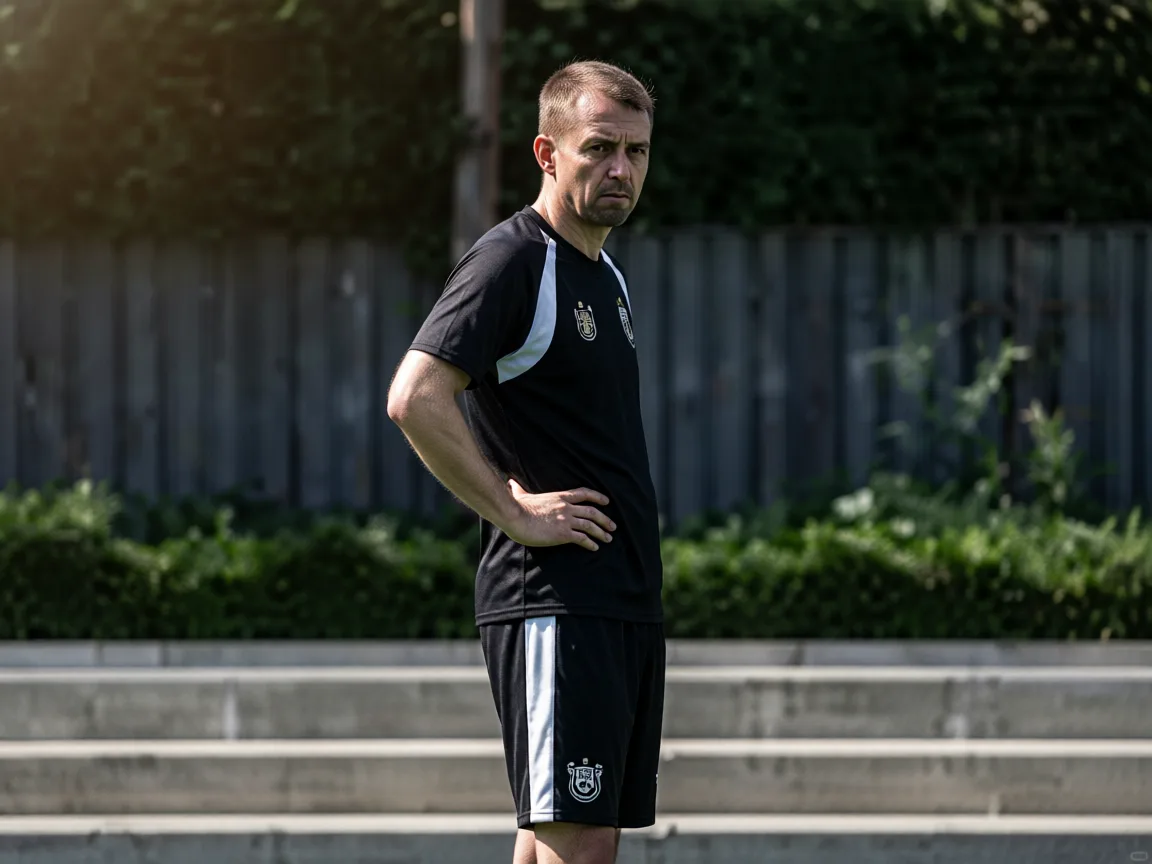
Spygate Shadow Looms Over Southampton as Eckert Awaits FA Verdict
Southampton's season hangs in balance as FA weighs unprecedented sanctions over training-ground espionage scandal.

Olise Card Stands, Saibari Out: France-Morocco Quarter-Final Ignites
France lose their appeal over Olise's yellow card while Morocco lose Saibari entirely, setting the stage for a high-stakes quarter-final.
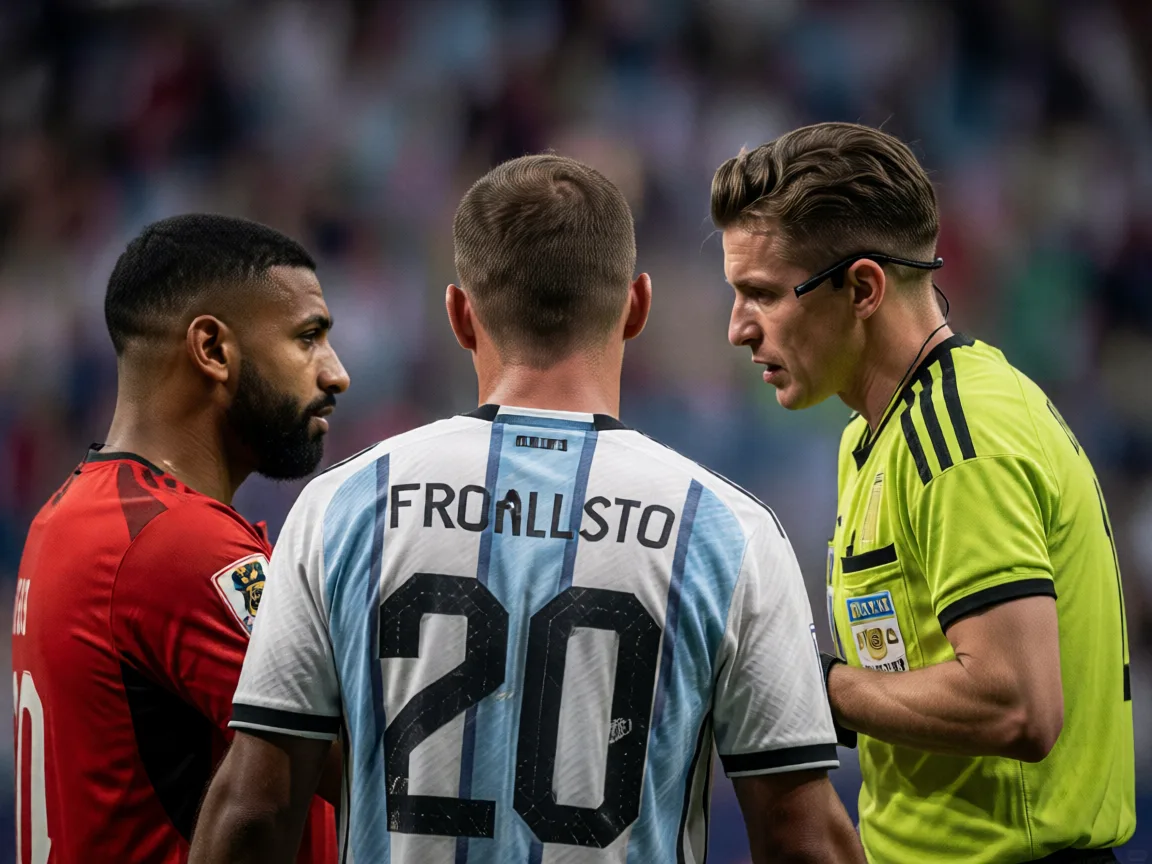
Egyptian FA Challenges Fairness of World Cup Exit to Argentina
Egypt's football federation questions World Cup fairness after VAR disallows a crucial goal in their 3-2 loss to Argentina.