England Eliminated: Same Old Story, Same Old Pain
Another tournament, another painful exit for England. Tactical rigidity, mental fragility, and coaching conservatism define a generation's failure.
The final whistle blows. Somewhere in a faraway stadium, an England player drops to the turf. His hands cover his face. The camera lingers. It always does.
This is the image that defines English football. Not glory. Not triumph. Just recurring, devastating disappointment.
England are out. Again. And the footballing world is left to dissect how a nation with the deepest talent pool in Europe keeps failing when the lights shine brightest.
"Same shirt, same weight, same ending. This team carries the ghosts of every failure since 1966."
The Weight of History
Expectancy crushes. For this group of players, wearing the Three Lions has become a burden. That's not a unique observation. It is just more inevitable with every passing tournament.
This exit stings because hope had quietly built. Optimism is a cruel temptress for English fans. Each time they fall, the belief grows that the next generation will be the one to end 58 years of hurt.
But history is a heavy cloak. And this squad wears it poorly.
They looked tight. Nervous. Unwilling to take risks. The ball was played sideways when the forward pass was available.
Anatomy of a Familiar Failure
Once more, tactical conservatism won out over attacking intent. The English setup was built to survive rather than to dominate.
- Goals scored per tournament: consistently below the elite threshold of 2.0 per game needed to win
- Shot conversion rate in knockout games: hovering near 9%, a damning figure for a squad loaded with attacking talent
- Key passes per 90 in the final third: dropped significantly compared to qualifying averages
The numbers paint a grim picture. When the pressure mounts, England retreat into their shell.
Against lower-seeded opponents, a defensive posture works. Against top-tier nations who can unlock low blocks, it is suicide.
The Tactical Straitjacket
No one expects gung-ho naivety. Tournament football demands control.
But there is a vast difference between calculated game management and coaching yourself into a corner.
England's setup was overly cautious for 120 minutes of regulation and extra time. The best attackers were asked to track back rather than create.
It is a coward's game masquerading as pragmatism.
"You cannot coach fear into players and expect them to play with freedom."
The Cost of Caution
The coaching staff prioritized defensive solidity. This is a noble aim. But at what cost?
- Premier League stars reduced to playing like strangers
- Creative forwards isolated high up the pitch
- The transition game, a strength in qualifying, became a weakness
The rhythm was absent. The attacking patterns were sterile.
England had arguably the best collection of attacking midfielders in the tournament. Yet the system choked their creativity.
Moment of Madness
The knockout blow came from the one thing England tried to avoid.
A sudden lapse. A momentary switch-off. That's all it takes at this level.
For 45 seconds, the defensive shape collapsed. A runner was untracked. The space behind the full-back was exposed.
The ball hit the net. The tournament was over.
It was a soft goal. A preventable goal. A goal that epitomized a team that had spent so much energy defending that they forgot how to react.
The Mental Block
Physical preparation was flawless. Tactical preparation was overbearing.
But nobody prepared this team for the psychological warfare of a tournament. When things went wrong, there was no response.
No leader on the pitch. No one to grab the game by the scruff of the neck.
The body language was alarming in the final 20 minutes. Shoulders slumped. Heads dropped. Passes went astray.
This is the mental block that has plagued England for decades. It is passed down like a family heirloom nobody wants.
Where Do England Go From Here?
The excuses are running thin.
Youth is no longer a valid argument. These players have now experienced two or three major tournaments. They are not novices.
The Premier League's excellence cannot be cited either. Club form does not translate when the system suffocates it.
The Inescapable Questions
- Is the tactical setup fundamentally flawed for knockout football?
- Does the squad lack leaders who can change a game's momentum?
- Why do world-class attackers look ordinary in an England shirt?
These are the questions fans and pundits are screaming into the void.
The FA faces a crucial decision. Stick with the current trajectory and hope experience eventually breeds success. Or rip up the blueprint and start again.
Neither option is pain-free. Both carry massive risk.
The Unforgiving Lens of International Football
Club football forgives. You get 38 games to correct errors. You can lose in October and win the league in May.
International football is merciless. You get 7 games. Maybe fewer.
One bad performance and you are out. One mental lapse and you are on the plane home.
"Tournaments don't wait for you to find your rhythm. They reward the bold and punish the timid."
England were timid. So they were punished.
The Talent vs. Performance Paradox
On paper, this England squad is unmatched in Europe.
- Multiple title winners from the Premier League
- Champions League medalists scattered throughout the starting XI
- The best striker in the world leading the line
- Ball-playing defenders comfortable in possession
How does this not translate to international dominance?
The answer is uncomfortable. It lies in the space between club and country, between freedom and fear.
The Verdict
This elimination is not a tragedy. It is an inevitability.
When you play not to lose rather than to win, you eventually get what you deserve.
England got what they deserved. Harsh but true.
The post-mortem will be loud and angry. Pundits will shout. Fans will call for heads. Social media will be a cesspit of recrimination.
But beneath the noise, the fundamental truth remains. England lack a tournament mentality. They lack the swagger of a Spain, the resilience of an Italy, the clinical edge of a France.
Until that changes, the hurt will only deepen.
The cycle continues. The ghosts of 1966 rattle their chains ever louder.
And football, that beautiful, cruel game, keeps coming home to the same destination. Heartbreak. Disappointment. England.
There are no easy answers. But there is one undeniable conclusion. Something fundamental must change. Not the personnel. Not the shirt. The mindset.
Otherwise, we will be writing this exact same article in two years' time. Different stadium. Same ending.
Editorial Integrity
This is an original SportPulse article written by our editorial team. All content is independently researched, written, and reviewed by our writers and editors before publication. We do not publish copied, aggregated, or syndicated content.
SportPulse is committed to original sports journalism. Read our editorial policy or contact us with any questions.
More Like This
All football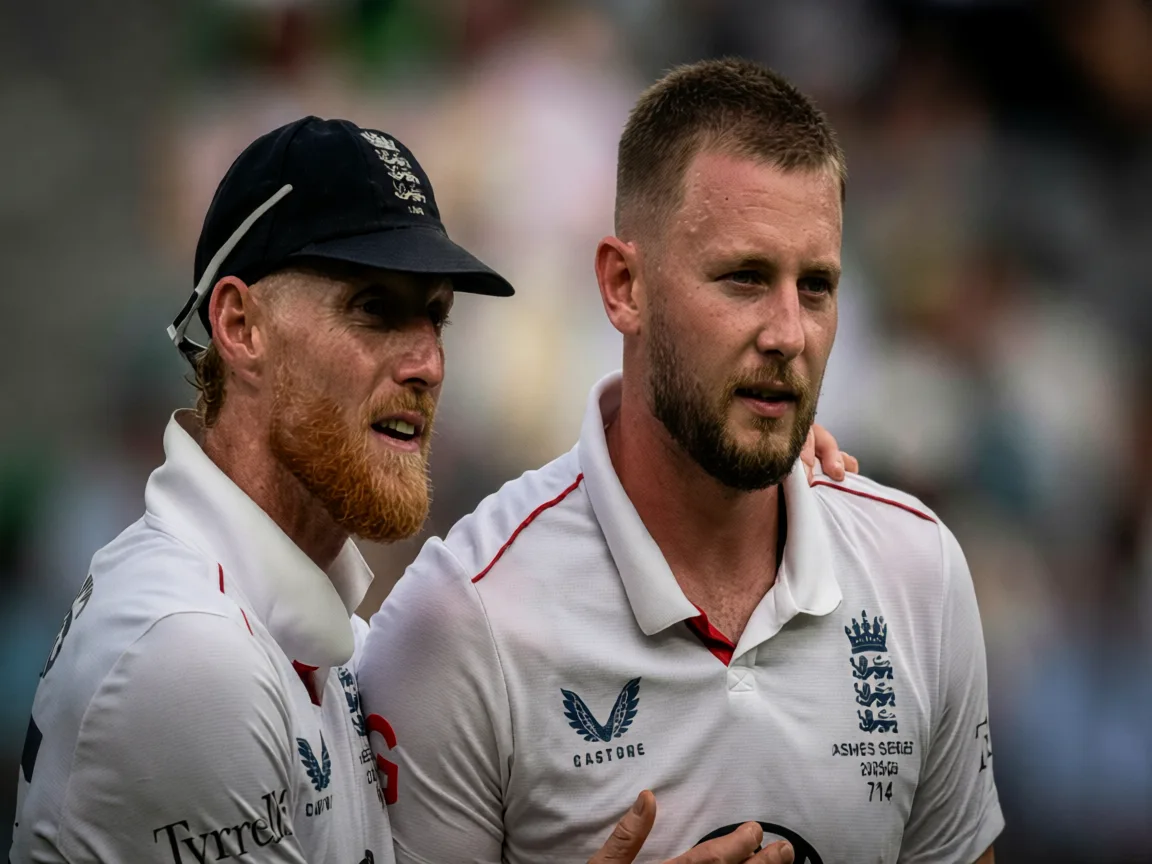
England's Alcohol Ban Exposes a Cultural Rebuild Long Overdue
New guidelines advising England players to abstain from alcohol around matches reveal how far the national team drifted from elite standards.

Salah Sparks Historic Egypt Comeback For First World Cup Win
Mohamed Salah inspired Egypt's first-ever World Cup victory, overturning a deficit to beat New Zealand 3-1 and take control of Group G.
Palace and Sunderland Top Premier League World Cup Chart
Crystal Palace and Sunderland shocking Arsenal and Liverpool atop the Premier League World Cup scoring chart rewrites assumptions about elite production.