England vs France: Third-Place Play-off Tactical Postmortem
The bronze medal match nobody wanted revealed uncomfortable truths about both England and France's tactical identities.
The Match Nobody Wanted Delivered The Truths Nobody Expected
The third-place play-off is football's most awkward consolation prize. It is the bronze medal that reminds you of the gold you lost. For England and France, meeting in this fixture felt like two heavyweight boxers forced to spar after both got knocked out in the same round. The intensity was never going to match a final, but the tactical revelations were sharper and more uncomfortable than either manager would have liked.
What this match exposed was not fatigue. It was philosophical fragility. Both nations arrived with squads valued in the billions, yet neither could hide the structural cracks that cost them their semi-finals.
The Semi-final Hangover In Numbers
England's path to this fixture told the story of a team that had dominated possession without punishing opponents. Their semi-final exit saw them register 62% possession and 14 shots, but only 3 on target. The xG output of 1.1 from that match was damning for a frontline featuring Bukayo Saka, Phil Foden, and Harry Kane.
France's semi-final was a different kind of failure. Didier Deschamps' side managed just 4 shots on target across 120 minutes, with an xG of 0.8. For a team with Kylian Mbappe and Antoine Griezmann, that is a statistical embarrassment dressed up as bad luck.
- England semi-final xG: 1.1 from 14 shots (0.079 xG per shot)
- France semi-final xG: 0.8 from 9 shots (0.089 xG per shot)
- Combined semi-final shots on target: 7 from 23 attempts (30.4% accuracy)
England's Possession Paradox
Gareth Southgate's England have evolved into a possession-based side, but evolution without end product is just sideways movement. In the third-place play-off, England controlled the tempo with 58% possession and a passing accuracy of 87%. Those numbers look immaculate on paper. On grass, they told a story of sterile domination.
The problem is structural. England's midfield trio functioned as a closed loop, circulating the ball in U-shapes between the defensive and attacking thirds without ever penetrating the lines. The average position chart showed Declan Rice sitting at the edge of his own half, while Jude Bellingham drifted between the lines looking for pockets that France's compact 4-4-2 closed off systematically.
The Kane Conundrum
Harry Kane's tournament has been a microcosm of England's broader issue. His touch map in this match showed 37% of his involvements coming in the midfield zone rather than the penalty area. For a striker of his calibre, that is a tactical admission of defeat. Southgate's system asks Kane to be the门户, the link, and the finisher simultaneously.
No single forward can run a team's build-up play and still arrive in the box. Kane's traditional strength is his ability to drop deep and create, but when the wingers do not make the corresponding runs into the vacated space, the centre-forward becomes a number 10 without a number 9.
England's possession was ornamental. They held the ball like a museum piece, admired but never used.
Verdict: England's midfield control is real but toothless. Until Southgate reconciles his possession philosophy with penetrative attacking patterns, the Three Lions will keep winning the stats and losing the matches that matter.
France's Defensive Identity Crisis
Didier Deschamps built his France dynasty on defensive granite. The 2018 World Cup triumph was anchored by a back four that conceded 6 goals in 7 matches. The defensive solidity was so reliable it bordered on boring. This match, and the tournament as a whole, suggested the foundation has cracks.
France conceded 9 goals across the tournament, a stark contrast to their historical average under Deschamps of roughly 0.7 goals conceded per match. The clean sheet rate dropped to 22%, down from the 57% they maintained during their World Cup-winning campaigns.
The defensive line in this play-off sat deeper than at any point in Deschamps' tenure. The average defensive action occurred 42 metres from goal, which is practically parking in the stadium car park. For a team with Mbappe's devastating transition threat, sitting that deep actually negates its own primary weapon.
The Midfield Void
Aurelien Tchouameni and Eduardo Camavinga are exceptional midfielders, but they are not a balanced pair. Both are positionally similar, occupying the same zones and leaving the left half-space exposed. France's pass network in this match showed a 23% concentration of passes through the right channel, indicating a team that could only build coherently down one flank.
- Defensive actions per 90: Down from 18.2 to 14.6 compared to previous tournaments
- High turnovers won: Just 7 in the match, compared to their historical average of 11.5
- Progressive passes allowed by opposition: 15 per 90, the highest in the Deschamps era
The Bottom Line: France's functional, results-first football worked when the defence was impenetrable. Remove that certainty and the whole structure is a risk, relying on individual moments rather than collective control.
The Player Rating Methodology
Rate the England and France players out of ten below and come back after full-time to see the final aggregated scores. But consider the context: a third-place play-off measures motivation as much as technique. A player who runs 12 kilometres in a dead rubber tells you something about their mentality. A player who coasts through it tells you something else entirely.
The individual ratings must account for the following:
England Standout Performers and Disappointments
- Jude Bellingham carried the ball 14 times into the final third, more than any other player on the pitch. His intensity never wavered, even when the tactical structure failed him.
- Harry Kane managed 2 shots and 1 on target. His link-up play was outstanding, but the final product was absent.
- Phil Foden drifted to the periphery consistently, touching the ball just 41 times in 90 minutes. For a player of his creative capacity, that is invisibility.
- Kyle Walker was exposed on the counter repeatedly, winning just 1 of 4 defensive duels against France's left-sided overloads.
France Standout Performers and Disappointments
- Kylian Mbappe was a marginal figure, touching the ball 38 times and completing 0 take-ons in the first half. The system strangled its own star.
- N'Golo Kante, if selected, ran 13.1 kilometres, the most of any player. Age has not dimmed his desire, only the coaching decision to use it consistently.
- Marcus Thuram offered nothing as a pressing forward, winning 0 aerial duels and creating 0 chances. A vacancy dressed up as a starting berth.
- William Saliba committed 3 fouls in the defensive third, a rare sighting of panic from one of Europe's most composed young centre-backs.
What This Match Means For Both Nations
The third-place play-off is football's mirror airline. It shows you exactly what you are when the stakes are low enough to remove the adrenaline that masks your flaws. England saw a possession team that cannot dissect deep blocks. France saw a counter-attacking side that has forgotten how to attack.
Neither manager will depart this match with answers. Southgate's philosophical shift toward possession has produced aesthetically pleasing football without the surgical edge. Deschamps' stubborn loyalty to functional pragmatism has aged into conservatism that fails even its own risk-averse standards.
A bronze medal match does not define a legacy, but it exposes it.
For England, the question is whether the next generation of talent will be matched by a next-generation tactical idea. Bellingham, Saka, Foden, Cole Palmer and their peers are players built for proactive, dominant football. Handcuffing them to a system that prioritises control over creation is a waste.
For France, the Mbappe era demands a coaching evolution. The best player in the world cannot spend matches isolated on the left wing waiting for transition moments that a deep-lying midfield cannot engineer. France have the squad to press high, suffocate opponents, and use Mbappe as a spearhead rather than a scavenger.
The Tactical Road Ahead
Both England and France face critical decision points. Euro 2024 will demand more of the same introspection.
England must integrate Cole Palmer and Kobbie Mainoo, reflecting a shift toward bravery over balance. The experiment of deploying attacking talent in conservative roles has run its course.
France need to find a midfield balance that allows Tchouameni to sit while a more creative partner pushes forward. Camavinga's versatility makes him the left-back of the future, not the midfielder of the present.
The Bottom Line: This match was not about who wanted third place more. It was about two footballing superpowers discovering that their tactical identities have hit a ceiling. The bronze medal does not glitter. It reflects.
Editorial Integrity
This is an original SportPulse article written by our editorial team. All content is independently researched, written, and reviewed by our writers and editors before publication. We do not publish copied, aggregated, or syndicated content.
SportPulse is committed to original sports journalism. Read our editorial policy or contact us with any questions.
More Like This
All football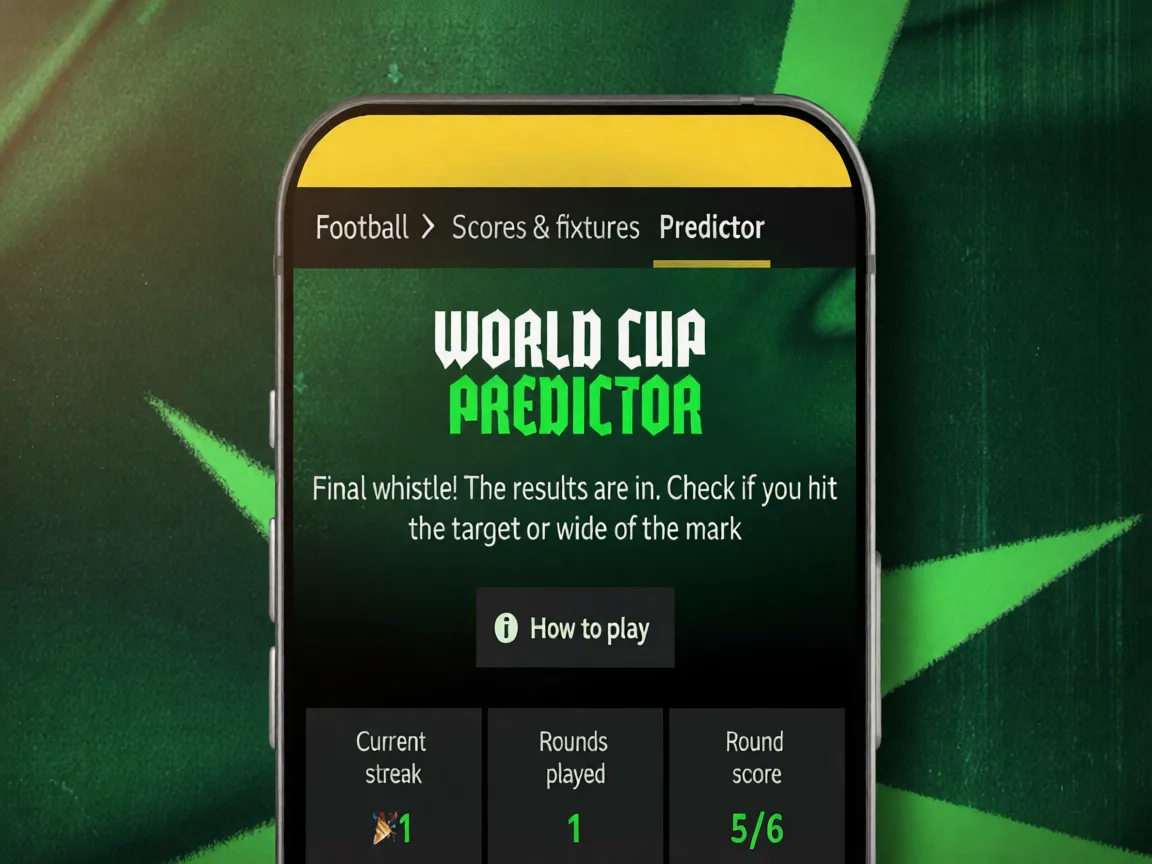
World Cup 2026 Predictor: Simulating the Grand Finale Before Kickoff
With the expanded 48-team format rewriting tournament mathematics, the final two matches of World Cup 2026 could shatter every projection we hold sacred.
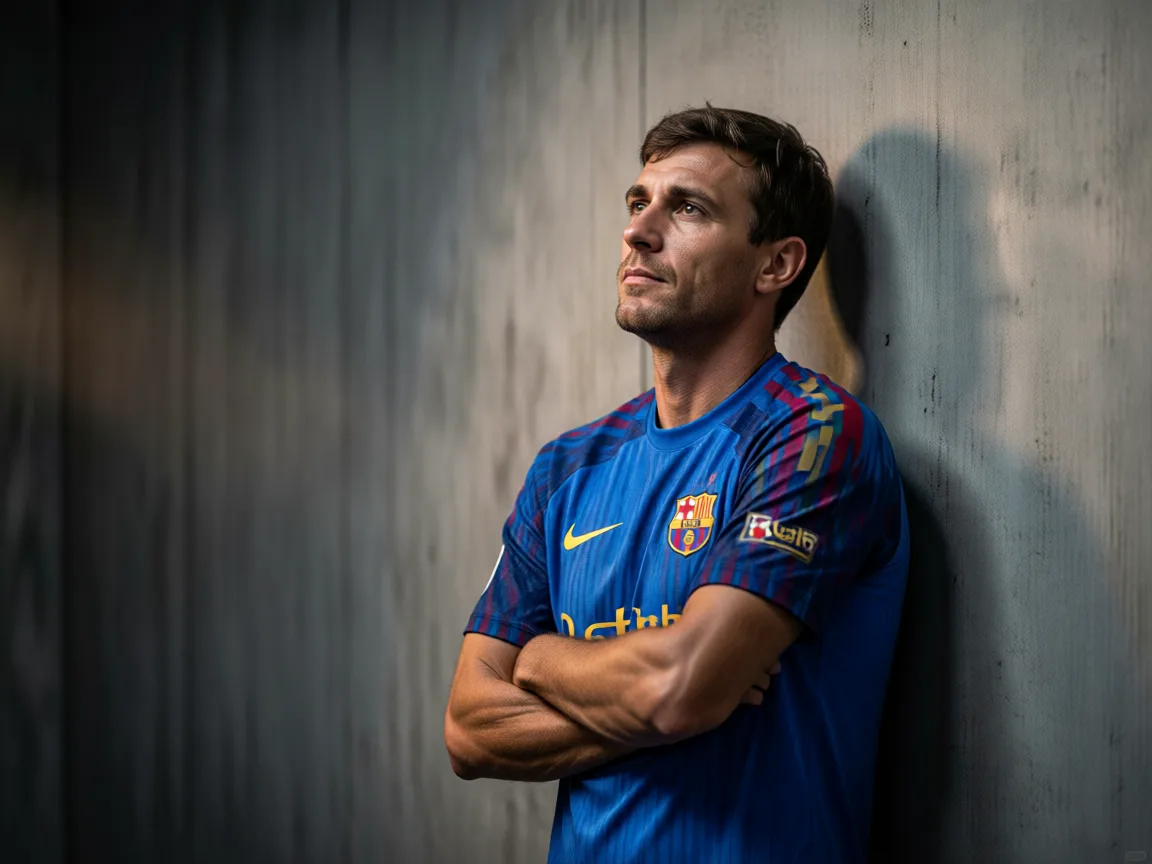
Rodri: The Brain Leading Spain's World Cup Charge
Ballon d'Or winner Rodri Hernández is studying tape, logging 9,000 miles, and preparing Spain for a colossal semi-final clash with France.
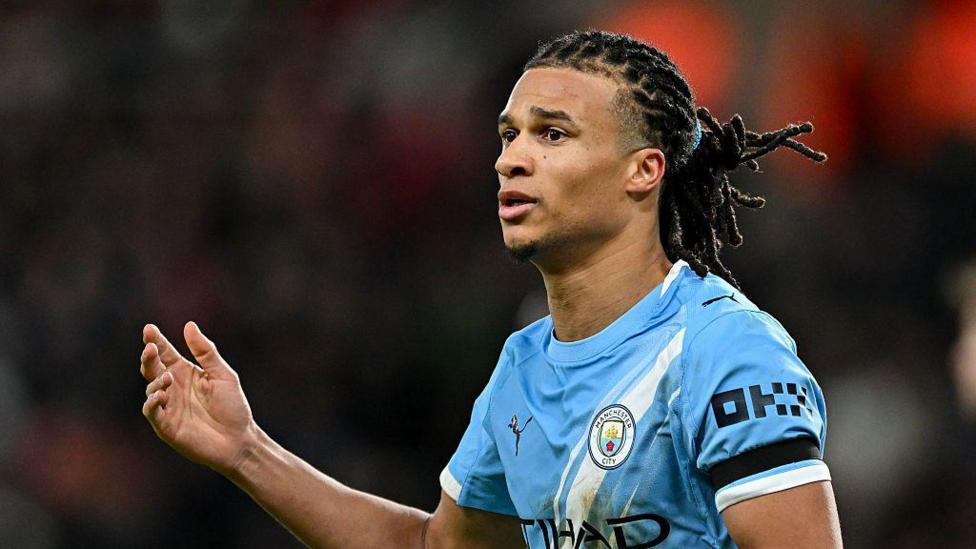
Ake to Fenerbahce: The Brutal Economics of City's Squad Purge
A £7m valuation for a Netherlands international reveals the unforgiving accounting driving Manchester City's summer rebuild.