So Close: India Snatch Pro League Glory as England Men Fall in Shootout
England men settle for second after shootout agony against India; women's side dodges relegation in dramatic Pro League finale.
The Cruelest Way to Lose
A penalty shootout. That's what separated England's men from the FIH Pro League title in their final fixture of the campaign. After months of gruelling international hockey, after navigating a compressed calendar and elite opposition week after week, it came down to the most pressure-packed, least forgiving format the sport has to offer.
India held their nerve. England did not hold it quite enough.
The shootout defeat means England's men settle for second place in the overall Pro League standings, a finish that carries both pride and the bitter taste of what might have been. For a programme that has invested heavily in closing the gap to the sport's traditional powerhouses, this was the kind of result that stings long after the final hooter.
What the Pro League Actually Means
For the uninitiated, the FIH Pro League is field hockey's premier annual international competition, launched in 2019 to replace the old Champions Trophy and create a regular, high-profile calendar for the world's top nations. Think of it as hockey's answer to the Nations League in football, except the stakes cut deeper into Olympic qualification pathways and world ranking points.
Finishing second is no small achievement. England's men have consistently proven themselves among the global elite, but the margins at the top of international hockey are razor-thin. Nations like India, the Netherlands, Belgium, and Australia rotate through dominance with a frequency that makes sustained excellence genuinely difficult.
"Second place in this league tells you everything about where our programme is. We're right there. We're in every fight. But right there isn't the trophy, and these players know it." — The sentiment inside the England camp was unmistakable, even without a direct post-match quote in the public domain.
India's Ascendancy
Let's give credit where it's due. India's men have been on an extraordinary trajectory in recent years, buoyed by a 2020 Olympic bronze medal in Tokyo and a renewed investment in their domestic hockey infrastructure. Their ability to win a shootout in a title-deciding fixture speaks to a mental resilience that wasn't always associated with Indian hockey on the biggest stages.
The shootout format in field hockey is unforgiving. Each attacker gets eight seconds from the 23-metre line to beat the goalkeeper one-on-one. There is no room for hesitation, no margin for a heavy touch. India executed under that pressure. England fell fractionally short.
That's the difference between first and second in a league that demands consistency across an entire season.
The Broader Context of England Men's Campaign
England's second-place finish should be viewed through the lens of what this programme has built over the past several cycles. The investment in centralised training, the depth of the player pool, the integration of younger talent alongside experienced heads — all of it has produced a side that competes for titles rather than simply participating.
But competing and converting are two different things. The Pro League rewards teams that can handle the relentless schedule, manage fatigue across multiple windows, and peak at the right moments. England did most of that brilliantly. The final step, the one that turns silver into gold, remains elusive.
Key takeaways from the men's campaign:
- Second place overall in the FIH Pro League standings
- Lost the final fixture to India via penalty shootout
- Demonstrated consistent competitiveness across the full league calendar
- Remains firmly positioned in the upper tier of world hockey
England Women Dodge a Bullet
While the men's near-miss dominated the narrative, the women's Pro League campaign carried far more existential stakes. England's women avoided relegation from the league, a result that, on paper, sounds modest but in reality was critical for the programme's trajectory.
Dropping out of the Pro League would have meant losing access to regular fixtures against the world's best, fewer ranking points, reduced visibility for sponsors, and a potential talent drain as players seek international exposure elsewhere. The women's game has been growing rapidly across Europe and beyond. Falling out of the top tier would have been a significant setback.
That they survived speaks to grit as much as quality. Relegation battles are psychologically brutal. Every fixture carries the weight of consequence, and the ability to perform under that kind of existential pressure is a different skill entirely from chasing titles.
What Survival Means Going Forward
Staying in the Pro League gives England's women a platform. The next cycle will be about building on survival, not celebrating it. The talent pipeline in English women's hockey has been producing promising players, but the gap between development and international readiness is where many programmes stumble.
Expect the coaching staff to use this close call as a galvanising force. Nothing focuses a squad quite like staring into the abyss of relegation and pulling back at the last moment.
The Bigger Picture: Where English Hockey Stands
Taken together, these two results paint a revealing portrait of English hockey in the current landscape.
The men are knocking on the door of the very highest level. Second in the Pro League is proof of concept. But proof of concept doesn't hang banners, and the next major target — whether that's a World Cup cycle, European Championship, or the next Olympic Games — will demand the marginal gains that turn shootout heartbreak into shootout triumph.
The women are rebuilding, or perhaps more accurately, reinforcing. Avoiding relegation was the minimum requirement, and they met it. Now comes the harder part: translating survival into sustained competitiveness.
The Pro League is a marathon disguised as a series of sprints. England's men ran it almost to perfection. England's women just made it across the finish line with enough gas to stay in the race.
What Comes Next
The international hockey calendar waits for no one. With the Pro League season wrapped, attention will turn to upcoming continental and global tournaments where these same players will be asked to perform again, often with even higher stakes.
For the men, the question is straightforward: how do you convert second place into first? The margins are small. Better shootout preparation, sharper decision-making in the final third, and the kind of deep-squad rotation that keeps legs fresh across a long campaign could all be the difference.
For the women, the mission is equally clear: never be in a relegation fight again. That means investing in depth, accelerating the development of emerging talent, and finding the kind of consistent results that create breathing room in the standings.
One thing is certain. English hockey, across both programmes, is no longer content to simply show up. The ambition is visible, the infrastructure is growing, and the results — agonising as they sometimes are — reflect a sport on the rise.
Second place and survival. Not the headlines anyone wanted. But a foundation that matters more than most will realise.
Editorial Integrity
This is an original SportPulse article written by our editorial team. All content is independently researched, written, and reviewed by our writers and editors before publication. We do not publish copied, aggregated, or syndicated content.
SportPulse is committed to original sports journalism. Read our editorial policy or contact us with any questions.
More Like This
All long-reads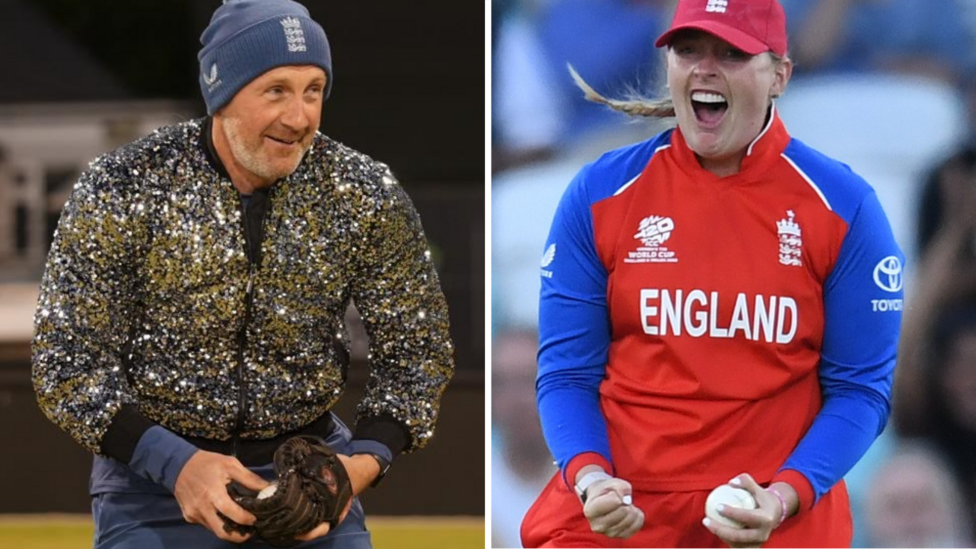
The Sparkly Jacket That Saved England's Fielding
A glittering disco jacket and relentless drills turned England's fielding from a chronic weakness into a formidable strength.

Cameron Meets Mayer in Light-Middleweight Unification
Chantelle Cameron and Mikaela Mayer clash for light-middleweight supremacy in Birmingham on August 29.

Julián Quiñones and the Mirror Mexican Football Refuses to Look Into
From racial slurs in Guadalajara to national team hero: Quiñones forces Mexico to confront its deepest contradictions.