The Wing Puzzle: Why Wingers Decide England vs Norway
Kane and Haaland are certainties, but the宽 flanks remain unresolved for both Tuchel and Solbakken ahead of their World Cup quarterfinal.
The Certainty Beneath the Uncertainty
Harry Kane will start. Erling Haaland will start. They will occupy the central lanes, draw the defenders, and almost certainly find the back of the net. These are among the safest predictions you can make before England meet Norway in their World Cup quarterfinal.
Everything else on the flanks, however, remains in a state of productive chaos. Neither Thomas Tuchel nor Ståle Solbakken has finished a game this summer with the same wide forwards who began it. That is not coincidence. It is confession.
Tuchel's Tactical Indecision
Tuchel's approach to wide positions has long favored functional flexibility over nominal talent. He wants wingers who press, invert, and create numerical advantages in the half-spaces. He does not necessarily want traditional touchline hugggers.
This philosophical preference creates a selection headache. England possess an abundance of wide attackers who excel in one-on-one isolation but offer varying degrees of tactical discipline.
The Variables at Disposal
- Pace merchants who stretch defensive lines but can drift out of pressing structures
- Inverted forwards who naturally cut inside but can leave overlaps uncovered
- Hybrid profiles who shuttle between wide and central zones depending on phase of play
Tuchel has rotated through these archetypes across the tournament. He has yet to settle on a combination that satisfies both his defensive shape and attacking output requirements. The substitutions tell the story: changes made Wide difference in every knockout fixture so far.
The team that controls the flanks in this tournament controls the game. Central supremacy is not enough anymore when defenses pack the middle.
The statistical implications are significant. When teams successfully destabilize wide defensive structures, their expected goals (xG) from open play increases by approximately 0.4 to 0.6 per match compared to centrally-dominated attacks. That margin often separates progression from elimination.
The Bottom Line: Tuchel is choosing between control and chaos on the wings. His decision will define England's attacking identity for the remainder of this tournament.
Solbakken's Structured Approach
While Tuchel projects indecision, Solbakken has been more structured in his preparation. The Norwegian setup prioritizes wide overloads designed to feed Haaland with early service from advanced positions.
This system demands specific winger profiles. Norway's wide forwards must combine creative output with relentless defensive contribution. They need to dominate their flank both with and without the ball.
Norway's Wing Hierarchy
- Primary creator on one flank, granted freedom to drift inside
- Work-rate specialist on the opposite side, prioritizing defensive coverage
- Impact substitute held in reserve to exploit tired full-backs late in matches
This structured approach has brought Norway to the quarterfinalstage with a clear tactical identity. But clarity can become predictability when opponents have time to prepare.
England will have studied Norway's wide patterns extensively. They know which combinations Norway prefer in specific zones. The question is whether Solbakken has prepared variations to counter Tuchel's inevitable tactical adjustments.
The Late-Game Wing Battleground
Neither team completing a game with their starting wide forwards reveals a deeper truth about modern tournament football. The intensity required across 90-plus minutes at World Cup level exceeds what single players can sustain.
Fresh legs in wide areas can transform a quarterfinal. Defenders who have navigated sixty minutes of one type of threat suddenly face a completely different challenge. The pace, profile, and pressing intensity shifts dramatically.
Why Fresh Wings Win Knockout Games
- Full-backs tire faster than central defenders, particularly when forced to cover wide channels repeatedly
- Pace differentials become more pronounced as fatigue accumulate
- Crossing accuracy from wide areas improves against defensive units that lose compactness in the latter stages
- Transitional moments disproportionately favor teams with explosive wide options in reserve
Tuchel and Solbakken both recognize this dynamic. But recognition ability are separate skills.
Verdict: The team that manages its wide rotations more effectively will likely control the final third of this match.
Historical Context: When Wings Decide Quarterfinals
World Cup quarterfinals have historically been decided by marginal wide decisions. Teams that winning these knockout matchesLin beyond the central battleground.
These matches are often settled by which manager reads the wing dynamics correctly. Not just who plays, but when they play, and who replaces them.
Tuchel's history suggests he will make bold in-game adjustments. Solbakken's suggests he will stick with his plan longer before reacting. Against that stylistic contrast will play out over ninety minutes of chess.
What This Match Reveals About Both Teams
England enter as slight favorites, but that status brings its own pressure. Tuchel's wide selections must demonstrate clear attacking intent without leaving his full-backs exposed to Norwegian counter-attacks.
Norway arrive as underdogs with a defined system. Solbakken's wingers must execute his game plan flawlessly while maintaining the flexibility to adapt if Tuchel's adjustments initially work.
The central duel between Kane and Haaland will command pre-match analysis. It will not determine the outcome.
That honor belongs to whichever manager solves his wide puzzle first.
The Bottom Line: In a match where both teams possess elite central strikers, the quarterfinal will be won and lost on the margins. The flanks are where the margins live.
Editorial Integrity
This is an original SportPulse article written by our editorial team. All content is independently researched, written, and reviewed by our writers and editors before publication. We do not publish copied, aggregated, or syndicated content.
SportPulse is committed to original sports journalism. Read our editorial policy or contact us with any questions.
More Like This
All football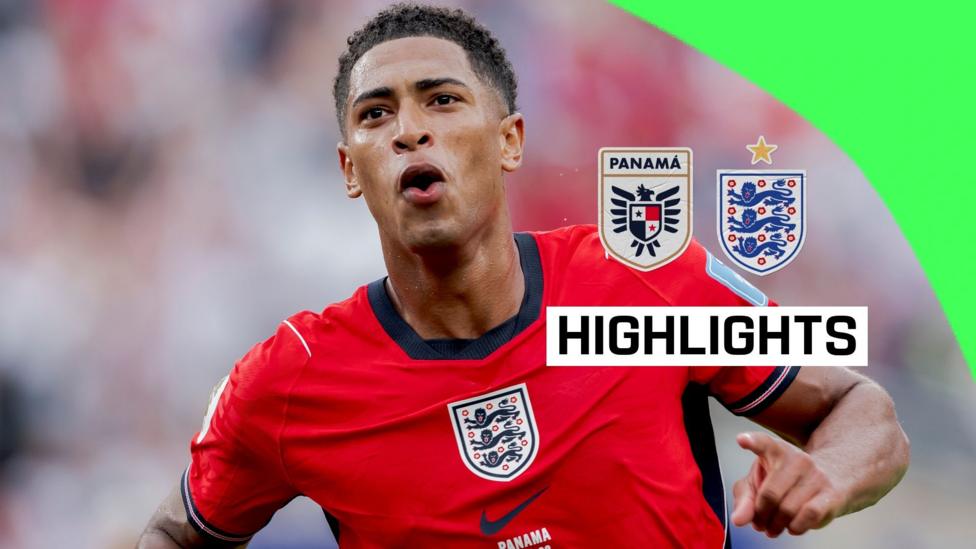
England Book Last-32 Spot but Tuchel's Side Leave Questions Unanswered
Bellingham and Kane deliver the goals, but England's sluggish 2-0 win over Panama raises more concerns than it silences.
Africa's World Cup Paradox: More Slots, Same Ceiling
Nine guaranteed slots and two teams in the last 16, yet Africa's World Cup raises more questions about structural ceilings than it answers.
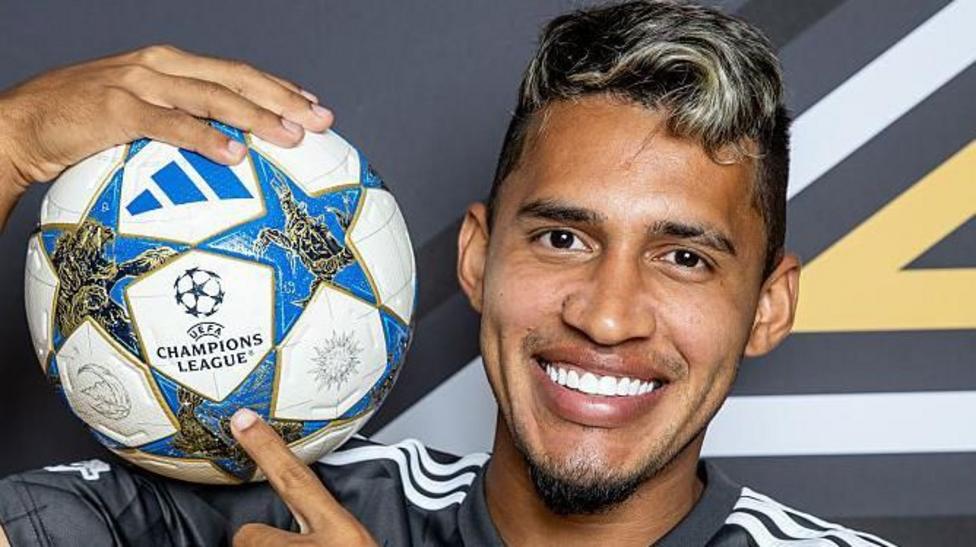
Celtic Bet £5.5m on Camilo Duran: The Qarabag Rebel With a Point to Prove
Celtic's first January window signing is a Colombian forward with talent, temperament, and a £5.5m price tag that raises as many questions as answers.