Record Police Reports at Matches Puts Clubs on Notice Over Security Costs
Police incidents at English football matches hit record highs last season, renewing calls for clubs to shoulder more policing costs.
English football has a disorder problem it cannot keep billing to the public purse. Home Office data released Thursday shows 1,644 matches in England and Wales saw police reports of "football-related anti-social behaviour, violence and disorder" during the 2025-26 season, a 4% increase on the 1,580 recorded the previous campaign. That figure is a record. Clubs need to do more of the policing themselves.
1,644 Reported Matches, But Only Four Arrests Per 100,000 Fans
Across the full season, England and Wales averaged four arrests per 100,000 attendees, a rate that suggests the scale of disorder is not translating into mass detentions. Arrests themselves are sliding back toward pre-Covid norms, which could mean smarter policing, greater use of civil banning orders, or simply that stewards are dealing with incidents before officers need to intervene. The Home Office report does not break that tie.
What it does establish is breadth. More matches than ever triggered a police report, and the 4% year-on-year jump outstrips the growth in total fixtures. This is not a by-product of expanded fixture lists across the pyramid. Something at the behavioural level is shifting.
The Bill Falls on the Taxpayer Beyond the Stadium Gates
Under current arrangements, forces bill clubs for officers deployed inside stadium perimeters, but the surrounding area, transport hubs, and town centres fall on the taxpayer. Police chiefs have argued for years that the balance is wrong, particularly in lower divisions where a single high-risk fixture can consume an entire weekend's local policing budget.
The Home Office language is diplomatic, calling on clubs to "ease the security burden on taxpayers." Read plainly, it is a financial argument dressed in public safety rhetoric. If 1,644 games now require police reports, the cumulative officer-hours across a season run into tens of thousands, each hour funded from a constabulary budget under its own spending squeeze.
Arrests Are Falling While Reports Climb
The decline in arrest numbers even as incident reports climb is worth examining. Pre-Covid, arrest rates were higher relative to reported incidents, suggesting forces took a more interventionist approach. The current pattern could reflect several things:
- Clubs investing in better CCTV and stewarding, resolving situations before police escalate
- Forces prioritising evidence-gathering and post-match identification over pitchside arrests
- A genuine shift in the type of incidents (more verbal abuse, less physical confrontation)
Without granular breakdowns from the Home Office, none of these explanations can be confirmed. What is clear is that reporting and arresting are diverging metrics, and conflating them obscures the real picture.
Lower-League Clubs Cannot Absorb Rising Policing Bills
Premier League clubs already spend significant sums on private security, but the pyramid below is where the gap widens. Championship sides can absorb enhanced policing bills; League Two clubs operating on thin margins cannot. The Home Office report puts indirect pressure on the Football Association and the EFL to create a more uniform funding model for matchday safety.
With the 2026-27 calendar already set and high-risk fixtures identifiable months in advance, forces will want commitments before the policing bills land. Clubs will argue that investing in fan engagement and stadium infrastructure reduces incidents at source, a claim the record 1,644 figure currently undermines.
More Disorder, Fewer Arrests, and a Subsidy Police Forces Reject
More matches with disorder, fewer arrests, and a taxpayer subsidy that police forces no longer accept as sustainable: that is what the data shows. Clubs can invest in their own matchday operations and reduce the burden, or they can watch costs get legislated onto them regardless. The Home Office has drawn its line. The leagues must respond.
Editorial Integrity
This is an original SportPulse article written by our editorial team. All content is independently researched, written, and reviewed by our writers and editors before publication. We do not publish copied, aggregated, or syndicated content.
SportPulse is committed to original sports journalism. Read our editorial policy or contact us with any questions.
More Like This
All football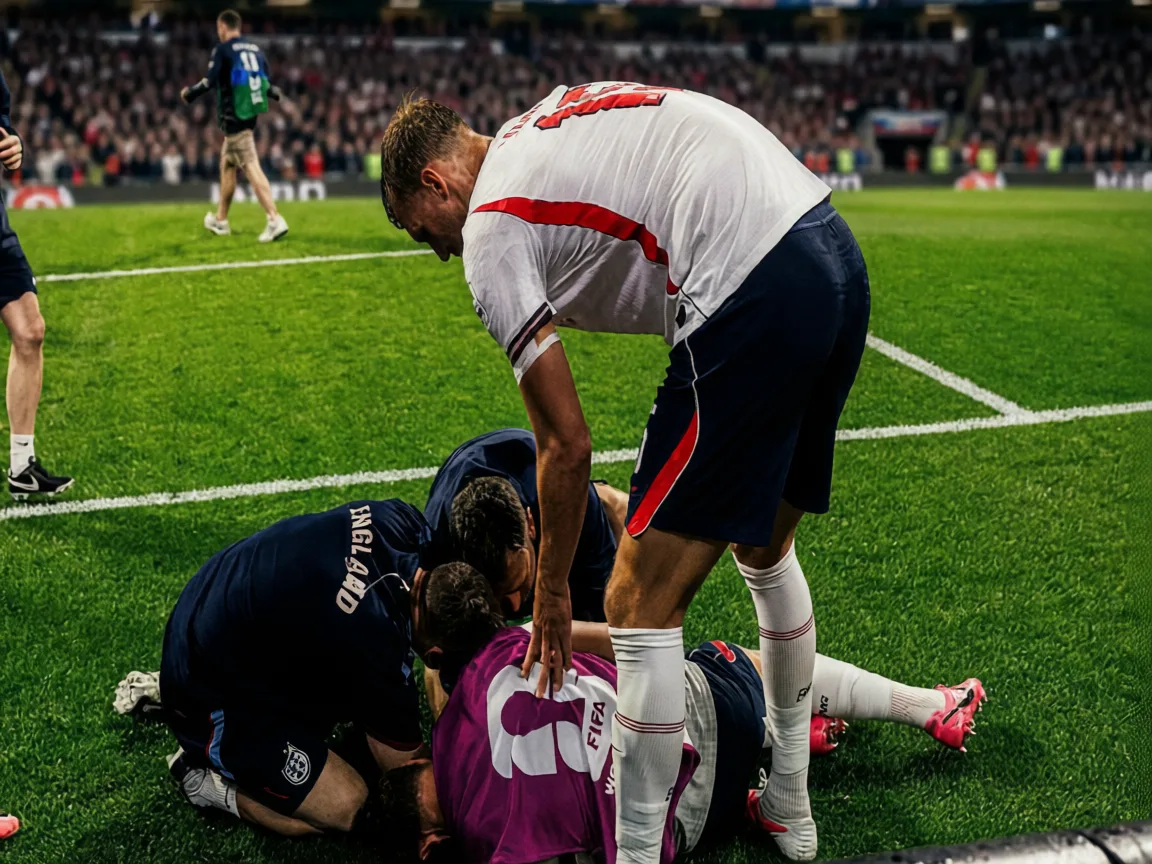
Henderson Undergoes Surgery on Broken Arm Sustained in England Celebrations
Jordan Henderson required surgery after breaking his arm during England's win over Mexico celebrations, raising fresh availability concerns for club and country.

Kane's Killer Instinct Fires England Into the Azteca
Harry Kane delivered when it mattered most, his brace dismantling DR Congo and booking England's ticket to the Azteca.
Ream's Calm Before the Knockout Storm: USMNT Enter Uncharted Waters
Tim Ream projects calm as the USMNT braces for a Round of 32 showdown with Bosnia and Herzegovina in the expanded World Cup.