Everton Hit With £35m Burnley Bill Over PSR Breach
Everton must pay Burnley £35m after a Premier League PSR breach, exposing the hidden cost of financial mismanagement.
The letter landed on the desk at Goodison Park like a grenade with the pin already pulled. £35 million. That is the staggering sum Everton have been ordered to pay Burnley for the knock-on effects of their breach of the Premier League's Profitability and Sustainability Rules. It is a figure that shakes the very foundations of a club already teetering on the financial brink.
This is no ordinary fine. This is a direct wealth transfer between top-flight clubs, a mechanism rarely seen in the modern era of English football governance. Burnley argued, successfully, that Everton's overspending inflicted direct sporting and financial harm on their own operation. The Premier League agreed.
The Anatomy of a £35m Debt
To understand this moment, you have to rewind to the turbulent 2021-22 campaign. That was the season Burnley fought a desperate, harrowing battle against relegation. Everton, buoyed by spending that breached the league's £105m maximum loss threshold over a three-year rolling period, survived. The Toffees stayed up by the skin of their teeth. Burnley sank.
The Clarets always maintained a furious stance. They believed the deck was stacked. Their argument was brutally simple: Everton bought an unfair sporting advantage by breaking the rules, and that advantage kept Sean Dyche's men up at Burnley's expense. The lost television revenue, the parachute payment shortfalls, the colossal cost of rebuilding a squad for a promotion push. It all added up.
"The damage caused by a club flouting the rules isn't just theoretical. It is lost revenue, lost status, and years of competitive disadvantage for the clubs who played by the book."
That sentiment has now been validated by the numbers. The ruling effectively acknowledges that financial doping has a measurable, punishable cost. And Everton are the ones forced to write the check.
The Domino Effect on Merseyside
For Everton, this hits like a sledgehammer to the solar plexus. The club is already navigating a labyrinth of financial uncertainty. A 10-point deduction earlier in the season, later reduced to six points on appeal, already inflicted significant sporting damage. They are fighting for their Premier League lives on the pitch. Now they must fight for their financial survival off it.
The immediate question is simple: where does the money come from? Owner Farhad Moshiri has been trying to sell the club for what feels like an eternity. The investment from 777 Partners remains gridlocked, tangled in regulatory red tape and mounting skepticism. The club's auditors recently flagged significant doubt about Everton's ability to continue as a going concern. Adding a £35m liability to the balance sheet does not exactly improve the picture.
This payment operates outside the standard parameters of a sporting sanction. A points deduction hurts the team. A direct financial penalty payable to a rival club hits the owner and the club's cash flow directly. It drains resources that Sean Dyche desperately needs to rebuild a threadbare, painfully unbalanced squad this summer.
Transfer Intel: The Burnley Escrow
The mechanics of this £35m payment will fascinate accountants and sporting directors alike. This is not a standard transfer fee; it is a compensatory ruling. How it is structured will dictate Everton's immediate financial flexibility.
- Settlement timeline: Is it a lump-sum hit, or can Everton negotiate a structured payout over several years? A lump sum could cripple their summer transfer budget entirely.
- PSR implications: How the Premier League accounts for this outflow in Everton's future PSR calculations will be critical. If treated as a standard operating loss, it could trigger yet another breach period.
- Cash flow vs. accruals: Everton's actual cash position is notoriously tight. Finding liquid capital to satisfy Burnley without breaching other financial covenants will be a monumental task for the interim board.
Burnley's Bittersweet Victory
Step into the Turf Moor boardroom, and the reaction is far from unrestrained jubilation. The money is a justification, a long-sought admission of guilt from the league and their Merseyside rivals. But it does not erase the pain of that relegation.
Burnley spent last season dismantling and rebuilding a squad in the Championship. Vincent Kompany arrived, implemented a radical tactical overhaul, and secured promotion with 101 points. They earned their way back to the top flight through sheer sporting merit. But the current season has been a harsh reminder of the gap between the second tier and the financial elite.
This £35m windfall, however, changes their immediate landscape. For a club operating on a strict budget, this is an unanticipated injection of capital. It could be the difference between a conservative, survival-minded summer window and an aggressive push to reshape the squad. It buys them breathing room in a league where margins are measured in single digits and survival is worth tens of millions.
The Precedent That Changes Everything
Look beyond Goodison Park and Turf Moor. This ruling is the shot heard round the Premier League. For years, the threat of PSR sanctions was viewed through the lens of sporting penalties. Points deductions. Transfer embargoes. The idea that a club could be forced to financially compensate a direct rival for damages incurred by rule-breaking changes the entire calculus of financial regulation.
Leeds United and Leicester City, both relegated during periods of intense financial scrutiny around rival clubs, will be watching closely. Nottingham Forest, who also faced points deductions this season for their own breaches, now face a landscape where their standing could invite similar claims from damaged parties.
"We have entered a new era of financial litigation in English football. If overspending can be directly linked to a rival's relegation, the floodgates could open for a wave of civil claims across the division."
The Premier League's governance is shifting from reactive discipline to restorative justice. Clubs who play by the rules now have a clear, validated pathway to recoup their losses. Legal departments at every top-flight club will be reviewing historical financial statements with fresh eyes, looking for cases to argue.
What Comes Next
Everton's nightmare is far from over. The appeal process, the ongoing 777 Partners takeover saga, and the battle for Premier League survival on the pitch all converge into a perfect storm. Paying Burnley £35m is a massive blow, but the real danger lies in the precedent it sets and the vultures it may attract.
For Burnley, the check clears a bitter chapter. The money arrives at the perfect time, offering Kompany a vital resource to strengthen a squad that has looked physically and technically overwhelmed at times this season. It turns a historical grievance into a tangible competitive advantage.
The ultimate irony? If Everton, weakened by the financial and sporting penalties stemming from their PSR breaches, suffer relegation this season, the cycle of damage will only perpetuate. The Toffees are paying for the past. But right now, they are mortgaging their future just to survive.
Editorial Integrity
This is an original SportPulse article written by our editorial team. All content is independently researched, written, and reviewed by our writers and editors before publication. We do not publish copied, aggregated, or syndicated content.
SportPulse is committed to original sports journalism. Read our editorial policy or contact us with any questions.
More Like This
All football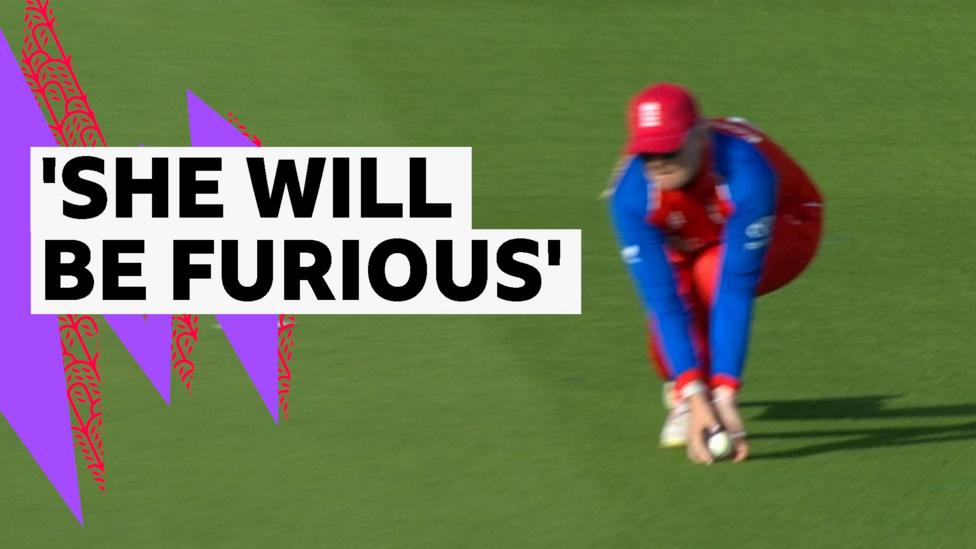
Ecclestone Fury as Lord's Replay Chaos Mars T20 World Cup Final
Sophie Ecclestone was left furious after a third umpire overturned her crucial catch appeal against Ellyse Perry in the T20 World Cup final.

Argentina Capitalize As England Lose Focus In Atlanta Semi Final
England broke shape in Atlanta, allowing Argentina to seize control through relentless tactical discipline.

Leeds Bet £34.1M on Muharemovic: Bold Stroke or Panic Buy?
Leeds United agree a £34.1m fee for Sassuolo's Tarik Muharemovic, a statement defensive signing mixing Premier League survival with bold market strategy.