F1 Engine Design Overhaul: The Two-Step Solution
Formula 1 implements a two-step technical pivot on engine design after fierce paddock criticism of the new regulations.
The foundational philosophy of Formula 1's current power unit regulations has fractured under the weight of its own competitive realities. In a decisive move that rewrites the technical architecture of the sport, the FIA and team principals have agreed to a two-step plan to alter engine design specifications. This intervention is a direct response to the fierce criticism leveled at the 2026 regulatory framework, which many feared would produce artificial racing and dangerously unsustainable power delivery. The sport's governing body has finally acknowledged that the theoretical models failed to translate into a viable on-track product, forcing a systematic recalibration of the engine blueprint.
At the core of the initial backlash was the terrifying prospect of cars deploying zero-emission modes on principal straights. The original rules mandated a 50/50 split between internal combustion engine power and electric motor deployment. However, because the battery capacity was strictly limited to 350 kW of electrical deployment per lap, drivers were mathematically certain to run out of electrical boost long before heavy braking zones. The resulting tactical coasting would have fundamentally altered the aerodynamic and mechanical demands placed on the car. It was a philosophical misstep that threatened to turn grand prix racing into a hyper-managed economy run, prompting manufacturers to demand immediate structural revisions.
The Flaws in the Original Framework
The initial regulatory construct relied on a flawed assumption: that the internal combustion engine would seamlessly compensate for electrical depletion. Yet the mandated 100 kg/h fuel flow limit severely restricted the thermal engine's ability to mask the drop in electrical output. When the battery depleted, total power output was set to plummet from roughly 1000 horsepower down to a sluggish 550 horsepower. This massive deficit would have forced drivers into a reactive, lift-and-coast driving style completely alien to the core demands of elite motorsport.
This asymmetry in power delivery created immediate headaches for the sport's aerodynamicists. Modern F1 aerodynamics are tightly calibrated to specific airspeeds and ride heights. A car traveling at 330 km/h requires an entirely different aero map and mechanical stiffness than one limping at 280 km/h while the battery recovers. The original rules essentially asked engineers to design a chassis that could operate efficiently across two wildly differing velocity regimes—a paradox that threatened structural integrity and aerodynamic stability.
- 350 kW maximum electrical deployment per lap
- 50/50 intended power split between ICE and electric motor
- 100 kg/h maximum fuel flow rate
- A projected 45% power drop when battery charge was exhausted
"The original concept forced us into a corner where we were engineering for a deficiency rather than a performance peak. The sporting spectacle was in danger of becoming a mathematical exercise."
The Two-Step Technical Pivot
To salvage the sporting integrity of the formula, the FIA has orchestrated a structural two-step plan. The first phase involves immediate adjustments to the energy management parameters for the upcoming seasons. By increasing the allowable electrical deployment and adjusting the battery harvest thresholds, the sport aims to smoothen the aggressive torque curve that would have otherwise defined race strategy. This step is crucial because it directly addresses the most visible symptom of the regulatory illness: the frightening power cliffs at the end of straights.
Step two targets the deeper architectural shifts required for the 2026 regulations to function as intended. This involves a comprehensive redesign of the internal combustion component to ensure it operates in genuine synergy with the hybrid systems. The fuel flow limits and ignition mapping will be restructured to provide a more linear power band. Crucially, the sporting regulations dictating deployment modes will be rewritten, eliminating the tactical deactivations that would have rendered race strategy painfully predictable.
Tactical Shift
The turning point in this regulatory saga was not a dramatic on-track failure, but rather a closed-door simulation crisis. When manufacturers fed the 2026 engine parameters into their dynamic lap simulators, the data painted a bleak picture. Drivers were spending over 30% of a representative lap distance off the throttle, actively decelerating to recharge the electrical unit. This exposed a critical flaw in the sporting premise. Formula 1 cars cannot simply shed speed without devastating consequences for Aero platform stability, tire temperature cycles, and slipstream dynamics. The realization that the new formula would actively penalize outright speed to satisfy an engineering metric forced the FIA to alter course.
Redefining the power unit's operational philosophy requires an understanding of how these machines are developed. Engine manufacturers have already committed hundreds of millions to the initial specification. A unilateral scrap-and-restart was economically unviable. Instead, the sport has opted for a tethered evolution. The first step allows the electrical systems to operate closer to their mechanical ceiling without the strict rationing that characterized the early drafts. The second step ensures the internal combustion architecture evolves to shoulder the load efficiently, maintaining the high-speed corner dynamics that define the pinnacle of motorsport.
This phased approach also mitigates the developmental anarchy that a sudden rule change typically provokes. By staggering the technical directives, the FIA prevents the wealthiest teams from leveraging a blank canvas into an immediate competitive advantage. It enforces a developmental baseline that allows the system to stabilize, ensuring that on-track performance gains are earned through incremental engineering rather than regulatory arbitrage.
The Bigger Picture and the Road Ahead
For the teams, this correction is a welcome relief, but it does not arrive without consequences. Aerodynamic departments that had already begun packaging their 2026 challengers around the extreme drag reduction requirements of the original engine rules must now pivot. The ride height variations previously calculated to manage low-speed electrical recovery phases will need to be recalibrated. It demands a rapid restructuring of wind tunnel programs and CFD allocations already stretched thin by the cost cap.
The manufacturers themselves face a delicate balance. Mercedes, Ferrari, and the newly forged Red Bull Powertrains must adjust the base architecture of their V6 turbo-hybrids without triggering a cascade of reliability failures. The sport's newest entrants, Ford and Audi, will use these clarified parameters to finalize their debut specifications, relieved that the fundamental sporting DNA of the series has been preserved.
"We must never let theoretical perfection override the fundamental requirement of our sport:-wheel-to-wheel competition at the absolute limit of mechanical grip. This correction ensures our future formula remains authentic to what Formula 1 has always been."
Looking forward, the true test of this two-step resolution will manifest in the early 2026 pre-season testing. Engineers will closely monitor the torque curves and deployment mapping under genuine race conditions. The next major milestone is the finalization of sporting directives regarding active aerodynamics, which must now be urgently synchronized with the revised engine outputs. If the power delivery is smoothed, the aerodynamic platforms can safely generate the downforce required for high-speed pursuit. The tactical battle will shift from managing electrical deficits to exploiting mechanical grip, a far healthier paradigm for competitive motorsport.
Editorial Integrity
This is an original SportPulse article written by our editorial team. All content is independently researched, written, and reviewed by our writers and editors before publication. We do not publish copied, aggregated, or syndicated content.
SportPulse is committed to original sports journalism. Read our editorial policy or contact us with any questions.
More Like This
All f1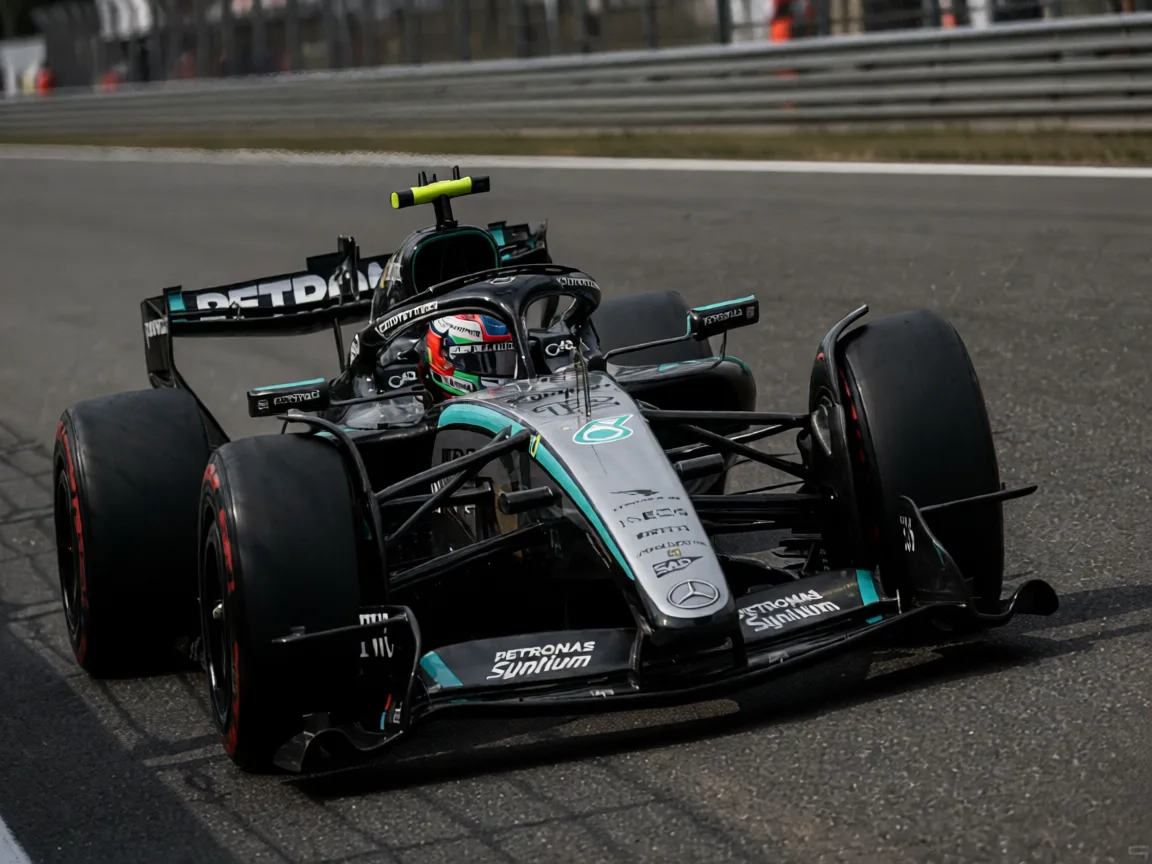
Antonelli's Spa Masterclass Signals Mercedes' Post-Hamilton Era Has Arrived
The 18-year-old Italian stunned Spa with pole over Verstappen, announcing Mercedes' rebuild is ahead of schedule.
Norris breaks through in Hungary with first win of 2026
The reigning World Champion finally opens his 2026 account before the summer shutdown.

Yellow Flag Chaos Hands Russell Pole as Verstappen Crashes Out in Spielberg Heat
Mercedes locks out pole for the eighth straight race as a late Verstappen crash reshuffles the Austrian GP grid.