FA Confirms Player Fight at England U16 Camp, Calls It an Internal Matter
Two England U16 players clashed during a national camp. The FA says the incident was resolved quickly and offered little else.
The Football Association confirmed that two England Under-16s players were involved in a physical fight at a training camp. The governing body characterized the incident as an "internal matter" that was "resolved quickly." The statement provided no names, context for the confrontation, or details on disciplinary measures.
England’s youth development pipeline is the most expensive in European football. Camps at St George’s Park serve as selection environments where players from rival academies compete for spots in senior international football. The FA’s brief response suggests it treats the incident as settled rather than a story requiring further inquiry.
The classification of the event as an "internal matter" distinguishes it from safeguarding concerns. Youth football in England operates under strict welfare protocols following historical abuse cases. Had the fight crossed into safeguarding territory, the FA’s language would have been different.
Players at U16 level are typically 14 or 15 years old. Most enter professional systems by age eight or nine and carry the weight of club investments. National selectors monitor these camps closely, and incidents can influence a player’s reputation with their parent clubs. Questions remain regarding whether both players were retained in the camp or if formal records followed them through the age-group system.
Confrontations occur in high-pressure environments, but the FA’s decision to issue a public statement indicates the altercation exceeded normal competitive friction. Coaches manage "red-head" moments where teenage players lose composure, viewing them as part of development. However, the official response signals that this specific incident required institutional handling.
The FA follows a template of controlled disclosure for youth-team incidents: acknowledge the event, frame it as minor, and provide minimal detail to avoid sustaining news cycles. Protecting the identities of minors is legally sound, but it also limits public accountability. This approach contrasts with senior England teams, where managers occasionally address squad discipline openly.
England’s youth setup has achieved significant success, winning the U17 World Cup in 2017, the U20 World Cup in 2017, and the U19 European Championship in 2022. The pathway functions effectively by competitive measures. Incidents like this test whether the system prioritizes player wellbeing alongside performance.
The FA states the matter is resolved. For the two players, it likely is. The broader questions regarding transparency in youth football development remain unanswered.
Editorial Integrity
This is an original SportPulse article written by our editorial team. All content is independently researched, written, and reviewed by our writers and editors before publication. We do not publish copied, aggregated, or syndicated content.
SportPulse is committed to original sports journalism. Read our editorial policy or contact us with any questions.
More Like This
All football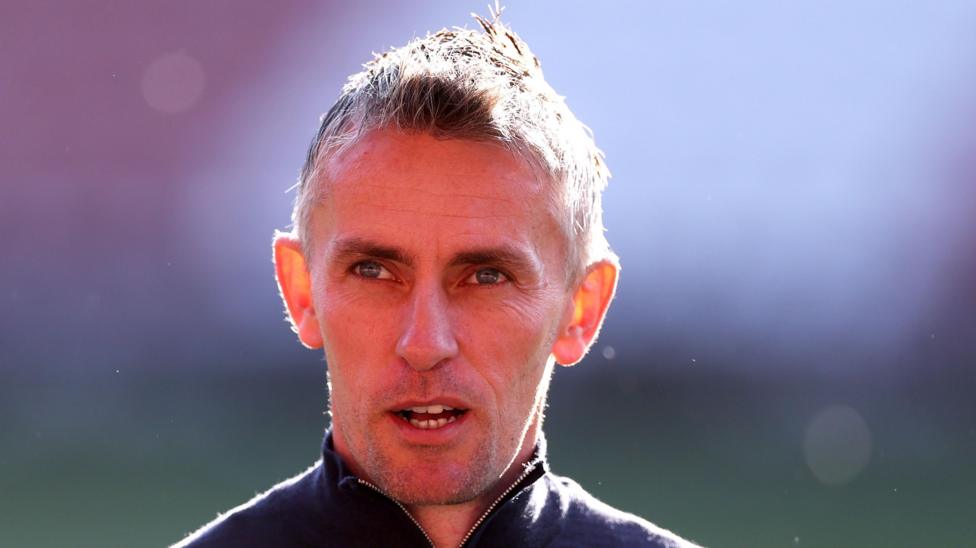
McKenna Walks Away: Ipswich Left Reeling on the Premier League Brink
The architect of Ipswich's miraculous back-to-back promotions resigns before their Premier League return kicks off.
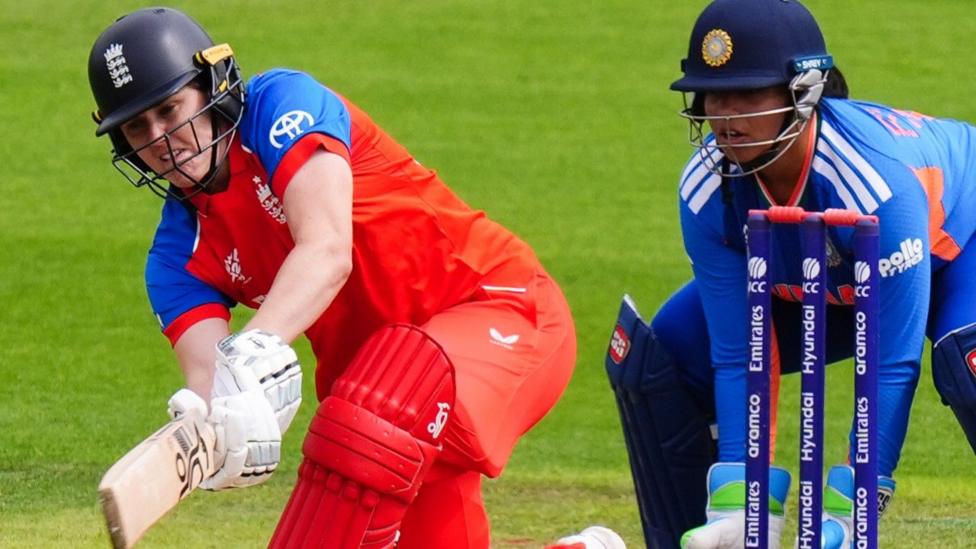
Sciver-Brunt's Return to Form Fixes England's World Cup Engine
Nat Sciver-Brunt's vital middle-order rhythm in the final warm-up win over India solves England's biggest procedural flaw ahead of the T20 World Cup.

Fifa Rankings Vindicated as Top Four Reach World Cup Semis for First Time
For the first time in World Cup history, the top four Fifa-ranked teams have conquered the semi-finals, exposing football's deepest flaws.