Enzo Fernandez Header Seals Dramatic Argentina Comeback
Enzo Fernandez’s late strike rescues Argentina from Egypt in a tense World Cup knockout clash.
The Turning Point
Enzo Fernandez did not just score a goal. He rescued a tournament.
The Chelsea midfielder rose highest in the box to head home the winner against Egypt in the 2026 World Cup last 16. The strike capped a comeback that will go down in World Cup history—for featuring a team who were two goals down so late on, but who went on to win without needing extra time.
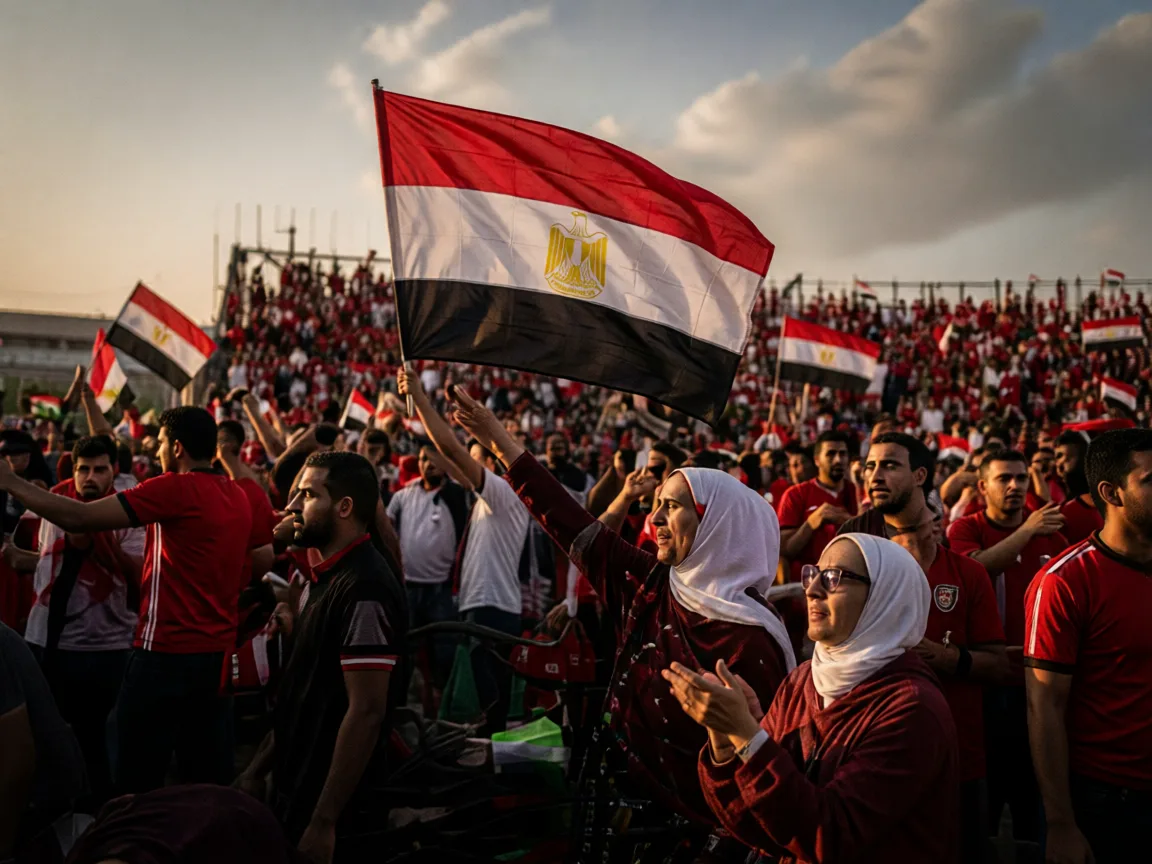
But the path to that moment was paved with despair. With just 11 minutes remaining, Argentina were reeling from a shocking deficit. Yasser Ibrahim had opened the scoring with an early header, and Mostafa Ziko—named after the Brazilian legend—had doubled the lead, sending the Pharaohs' fans into raptures. Lionel Scaloni's side looked set to suffer the mother of all upsets.
At the heart of the resistance was Mostafa Shobair. The goalkeeper, whose father Ahmed was the Pharaohs' custodian at the 1990 World Cup, produced a performance of monumental proportions. Shobair, known for the time-wasting tactics against Ireland that led to the back-pass rule, seemed destined to write a new, positive chapter in his family's history. He repelled everything the world champions could throw at him, keeping Argentina at bay when the team's dream of the bicampeonato appeared to be in tatters.
Then came the spark. Lionel Messi, who had endured a frustrating night—highlighted by a saved penalty—delivered when it mattered most, scoring a late equaliser to level the game at 2-2 and breathe life back into Argentina's campaign. The momentum shifted irrevocably.
The atmosphere in the stadium shifted instantly. What was once a stalemate became a celebration of survival. Argentina advances to the World Cup quarterfinals, but the cost was high.
A Tactical Stranglehold
Egypt did not come to play nice. They came to disrupt.
The Pharaohs employed a low block that collapsed deeper as the game progressed. They forced Argentina wide, limiting space in the central corridors where Fernandez thrives. This was not a game of possession; it was a war of attrition.
Lionel Messi and Julian Alvarez found themselves isolated. Without midfield penetration, Argentina struggled to create clear-cut chances. Egypt's defensive shape was compact, forcing errors and inducing frustration.
Argentina were handed a lifeline when they won a penalty, but Messi's effort from the spot was brilliantly denied by Egypt goalkeeper Mostafa Shobeir. It was the Argentine's second penalty miss of the tournament, a moment that could have broken his side's spirit. Yet, it was Shobair's overall command of the box that kept Egypt ahead.
Scaloni responded by pushing higher up the pitch. He needed more bodies in the final third. The gamble paid off in the dying moments.
"We knew they would sit deep. We had to be patient and wait for the opening." — Lionel Scaloni
The coach's patience was tested repeatedly. Egypt's counter-attacks were sharp, catching Argentina's high line on the break. Goalkeeper Emiliano Martinez was called into action more than usual.
Every pass forward felt like a negotiation. Egypt conceded space but took away time. It was a masterclass in defensive pragmatism.
The Moment That Defined It
First, Messi delivered the equaliser. Then, the winner came from a set piece. A corner swung in with precision.
Fernandez timed his jump perfectly. He outmuscle his marker, meeting the ball with authority. The header was unstoppable, dipping into the net with deadly accuracy.
It was his second goal of the tournament. This one carried more weight. It broke the dam.
The scoreboard finally reflected the pressure Argentina had applied. But the relief was palpable. Players embraced, knowing the hard work was not yet done.
Egypt pushed for an equalizer in stoppage time. Their desperation led to open spaces, but Argentina's defense held firm. The whistle blew shortly after, ending the agony.
Inside the Tunnel
The tunnel was electric. You could feel the tension radiating off the players.
Egyptians looked hollow-eyed, their bodies exhausted from ninety-plus minutes of intense pressing. They had fought valiantly, but the margin for error was non-existent.
Argentina's bench erupted. Coaches and substitutes poured onto the pitch, surrounding Fernandez. The embrace was tight, almost desperate. Messi, who had carried the weight of the missed penalty all match before redeeming himself with the crucial equaliser, was seen with tears in his eyes—relief and emotion spilling over as the whistle confirmed Argentina's progression to the quarterfinals.
Scaloni stood apart for a moment, watching the chaos. He wiped sweat from his brow, a rare display of emotion. The relief was visible in his eyes.
"This group never gives up. Even when it gets dark, we find a way." — Enzo Fernandez
The mood was celebratory but cautious. They knew the next round would be tougher. But for now, they allowed themselves to breathe.
The Numbers Behind the Drama
Argentina dominated possession but lacked efficiency. Their shot conversion rate hovered around 12% before the late turnaround.
Egypt registered 4 shots on target, all requiring saves from Martinez. Their defensive actions totaled 28, highlighting their disruptive approach.
Fernandez completed 94% of his passes. His aerial duel success rate was 100% in the final third. He was the difference-maker.
The match saw 14 yellow cards. The physicality was extreme. Referees worked overtime to keep control.
"Efficiency wins tournaments. We got ours when it mattered most." — Julian Alvarez
These numbers tell a story of struggle. Argentina imposed their will but could not break through until the very end. Egypt's resilience kept them alive longer than expected.
What It Means
Argentina survives, but questions remain.
Their inability to break down a deep block exposes a tactical vulnerability. Scaloni must address this before the quarterfinals. Relying on individual moments of brilliance is not a sustainable strategy.
Egypt's performance was commendable. They pushed a giant to the brink. Their legacy grows, even in defeat.
For Argentina, the focus shifts immediately. The mental fatigue from this match will linger. Recovery sessions begin tomorrow.
The next opponent awaits. They will study this game closely. Argentina cannot afford to be so vulnerable again.
This victory is sweet, but it is bittersweet. They advanced, but they were not at their best.
"We are through, but we have work to do. Complacency is the enemy." — Lionel Scaloni
The road to the trophy is long. Argentina has taken another step, but the hardest challenges lie ahead.
Looking Ahead
The quarterfinals promise greater intensity.
Argentina's squad depth will be tested. Injuries and fatigue are real risks. Scaloni must manage rotations carefully.
Egypt's impact on the global stage is undeniable. They proved that organization can challenge talent.
Fans will watch closely to see if Argentina can evolve. Can they adapt to different styles? Can they score earlier?
These questions define the rest of the tournament. One goal was not enough to solve all problems.
But it was enough to keep the dream alive. For now, that is all that matters.
The World Cup continues. And Argentina is still in it.
Updated: 2026-07-08 — Added Messi's late equaliser that levelled the score at 2-2, detailing how Argentina fought back from two goals down to complete a dramatic turnaround in regulation time.
Editorial Integrity
This is an original SportPulse article written by our editorial team. All content is independently researched, written, and reviewed by our writers and editors before publication. We do not publish copied, aggregated, or syndicated content.
SportPulse is committed to original sports journalism. Read our editorial policy or contact us with any questions.
More Like This
All football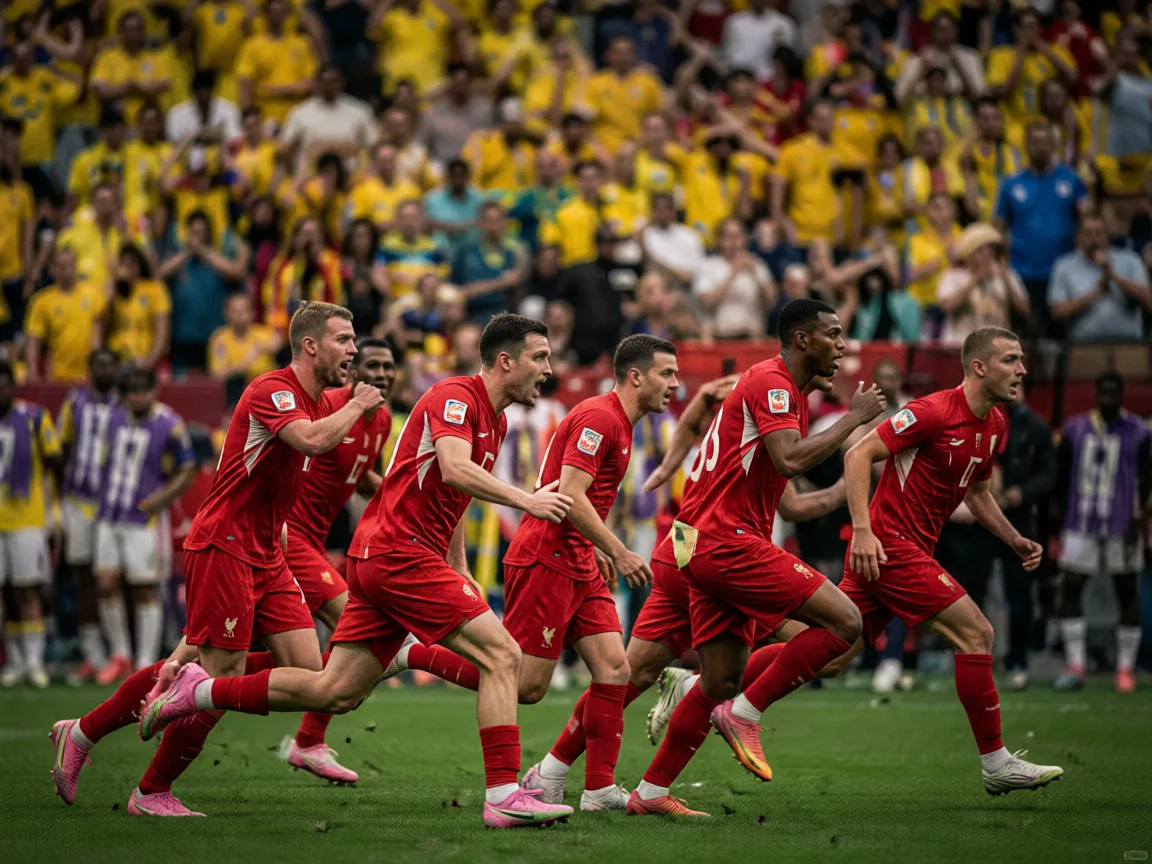
Going Second in a Shootout Is Supposed to Be a Disadvantage. Tell That to the World Cup
Teams going second have won 13 of the last 15 World Cup shootouts, shattering decades of conventional wisdom.

USMNT Face Belgium in World Cup Last 16: Fiery Clash Awaits
The USMNT stumble into a blockbuster Last 16 clash against Belgium, riding a wave of unprecedented home-soil energy.
Egypt's World Cup Dream Dies in 13 Minutes of Argentine Magic
Egypt led Argentina 2-0 and dared to dream before a 13-minute collapse ended their magical run and sparked collective pride.