FIFA's 2026 World Cup Made Billions More Than Projected. Host Cities Saw Little of It.
The 2026 World Cup was a commercial smash for FIFA. The question now is whether that success dooms host communities to repeat the cycle.
The 2026 World Cup delivered what FIFA needed: drama on the pitch, packed stands across the United States, and a revenue haul that dwarfed the governing body's own projections. By billions, according to the Guardian's reporting. FIFA did not stumble into a windfall. It engineered one.
The tournament produced underdog runs, late winners, and storylines that played out like screenplays. The quality of football varied, but that was never the point. Compelling spectacle does not require peak technical football. It requires stakes, noise, and enough chaos to keep people watching. The 2026 edition provided all three.
Attendance figures were overwhelming. Host cities filled stadiums to capacity and beyond, generating the kind of atmospheres FIFA sells to sponsors in glossy bid books. Broadcast numbers, merchandise revenue, and corporate hospitality packages all confirmed what the eye test suggested: a commercial juggernaut.
The Money Went Somewhere. Just Not Here.
FIFA's revenue model is not complicated. It extracts maximum value from host nations through infrastructure demands, tax exemptions, and guaranteed operational control, then funnels the resulting profits back to Zurich. Host cities absorb the costs of policing, transportation upgrades, and public services that balloon around a month-long global event. FIFA absorbs the ticket sales and broadcast rights.
The 2026 tournament, spread across 16 cities in the United States, Canada, and Mexico, was supposed to represent a new model. More host venues meant, in theory, more distributed benefit. More cities sharing the load. More local economies tapping into the World Cup's gravitational pull.
The reality was different. The organization's revenue exceeded projections by billions. What that money was projected to fund, and what it actually funded in host communities, are questions FIFA does not answer with enthusiasm.
A Stadium Is Not a Legacy
The post-tournament reckoning in American host cities will follow a familiar pattern. Municipal budgets strained by security and infrastructure costs. Promised economic booms that materialized as temporary surges in hotel revenue and concession sales. Venues built or renovated at public expense that now require year-round maintenance.
FIFA calls this a legacy. Host cities call it an invoice.
The argument that a World Cup generates long-term economic growth through tourism and global visibility has been tested repeatedly, in South Africa, Brazil, Russia, Qatar. The results are consistent: the organizer profits, the host nation's taxpayers foot a bill that takes years to settle, and the promised transformation never arrives in the form advertised.
The United States entered this arrangement with more existing infrastructure than any previous host. No new stadiums needed to be built from scratch. The country already had the roads, the airports, the hotel capacity. That should have reduced the cost burden on local governments. Whether it actually did, and by how much, will take years to assess.
The Benchmark Every Future Bid Will Face
The 2026 World Cup's commercial success does not prompt reflection at FIFA. It prompts appetite. The tournament generated billions more than projected in the United States, a market with deep corporate sponsorship pools and a fanbase willing to pay premium prices for live sport. The model works. Not for host cities. For FIFA.
Every future World Cup bid will now be benchmarked against 2026's revenue numbers. Every host city will be told the economic benefits will justify the upfront costs. Every government will be asked to provide the same concessions: tax breaks, operational sovereignty for FIFA, guaranteed infrastructure investments.
The competition for hosting rights is not a negotiation between equals. FIFA holds the product. Cities compete to buy the right to host it, often at prices that do not pencil out once the accounting is done honestly. The 2026 tournament proved the World Cup remains one of the most lucrative properties in global sport, that American audiences will turn out in force, and that the format works across a continent-sized country. It did not prove that any of that matters to the people who live in the cities that made it possible.
Editorial Integrity
This is an original SportPulse article written by our editorial team. All content is independently researched, written, and reviewed by our writers and editors before publication. We do not publish copied, aggregated, or syndicated content.
SportPulse is committed to original sports journalism. Read our editorial policy or contact us with any questions.
More Like This
All football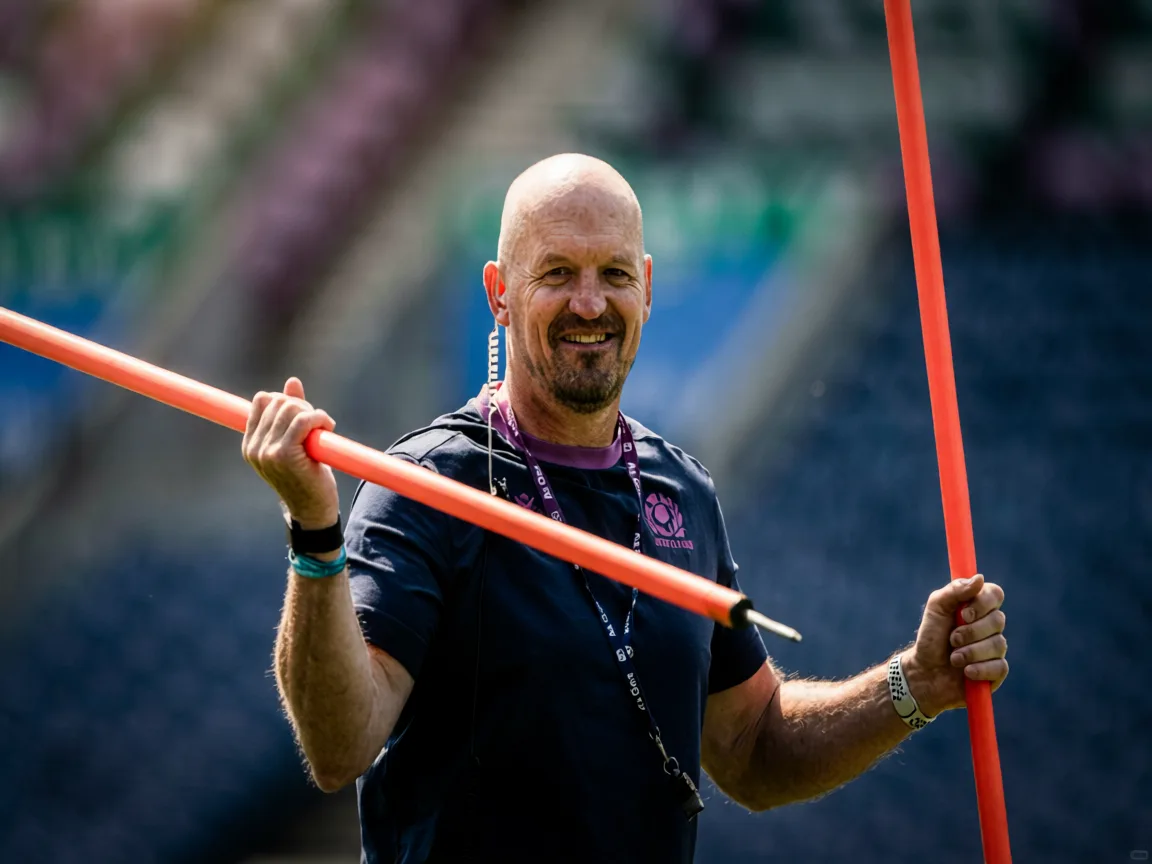
Townsend Braces for Fiji Frenzy as Scotland Hunts Nations Championship Statement
Gregor Townsend welcomes another high-scoring clash with Fiji, provided Scotland controls the shootout narrative.
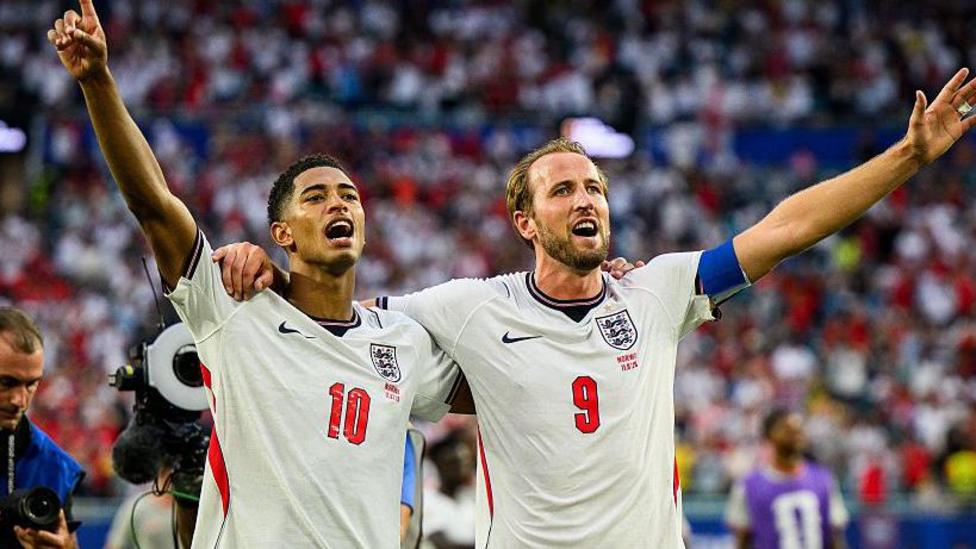
Rooney Crowns Bellingham: England's New Golden Boy Delivers
Wayne Rooney says Jude Bellingham has been the World Cup's best. It's more than praise — it's a generational torch passing.
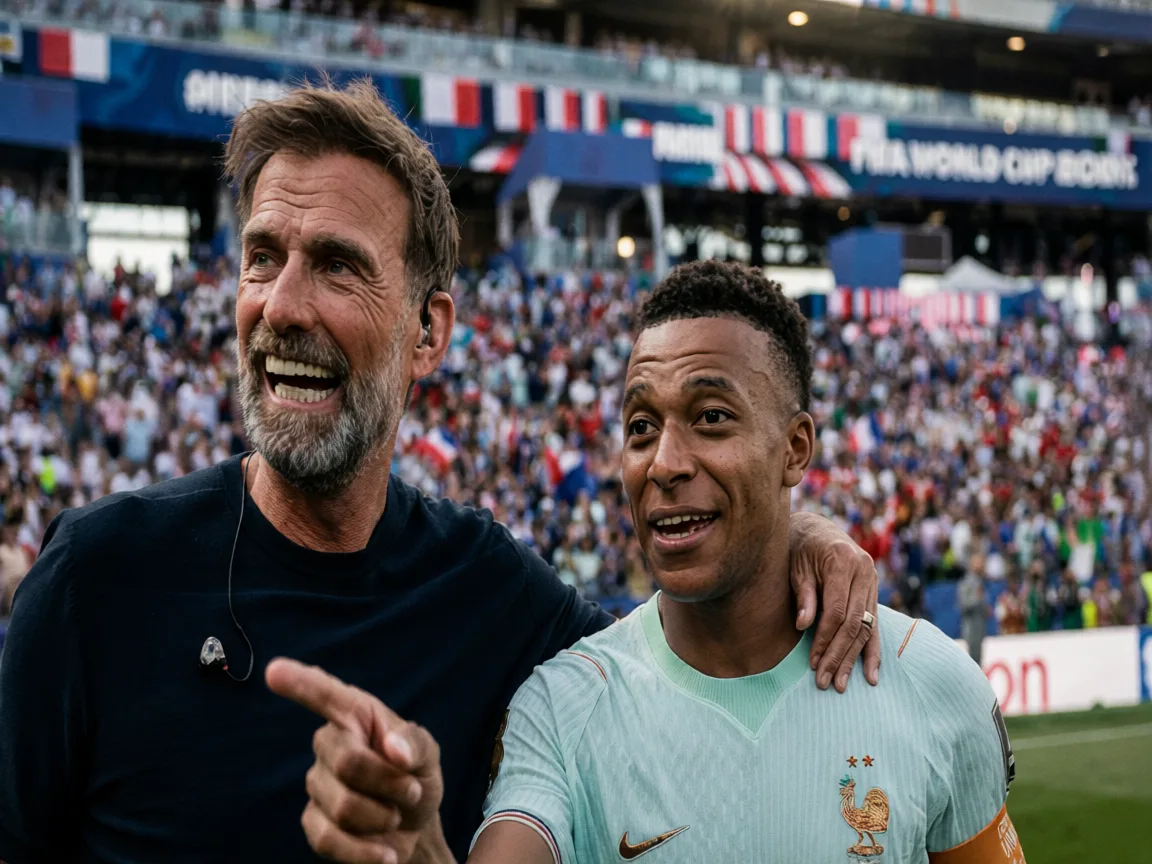
Klopp's Mbappe Confession: The Transfer That Never Was
Inside the private plane pursuit that could have rewritten football history, as Klopp reveals Liverpool's decade-old Mbappe chase.