The 48-Club Gambit: How FIFA's Expansion Cements a Premier League Power Play
FIFA's Club World Cup expansion to 48 teams is a financial and political coup for Europe's elite, particularly the Premier League.
The Political Economy of Expansion
The announcement of a joint venture between FIFA and the European Football Clubs (EFC) lobby group to operate an expanded 48-team Club World Cup is less a sporting innovation and more a seismic shift in the sport's geopolitical landscape. This isn't merely about adding 16 more teams; it's the formal ratification of a new world order where financial muscle dictates global competition structure. The pivot point was Chelsea's £84m windfall for winning the 32-team edition in 2025—a figure that instantly made Europe's elite clubs see the tournament not as an end-of-season inconvenience, but as a potential revenue cornerstone rivaling the UEFA Champions League.
The creation of the joint venture is a masterstroke of political maneuvering. By bringing the EFC—a powerful consortium representing Europe's top clubs—directly into the governance and operational fold, FIFA has effectively neutralized its most potent critics. It transforms a relationship of friction into one of shared profit and control, ensuring the tournament's format and commercial direction will be shaped to favor the very clubs it was designed to elevate. The message is clear: the global game's future is being co-authored by Zurich and the European elite.
The Premier League's Calculated Conquest
For the Premier League, this expansion is a tactical victory of the highest order. Under the previous 32-team model, qualification pathways for English clubs were notoriously narrow, often capping entries at two based on UEFA coefficient rankings or specific continental success. A move to 48 teams fundamentally alters that calculus. It almost guarantees a significant increase in representation, potentially opening the door for fourth, fifth, or even sixth-place finishers in the world's most competitive domestic league.
This creates a powerful feedback loop. More English clubs in a lucrative global tournament means more broadcast revenue and prize money flooding into the Premier League ecosystem. It further strengthens the financial disparity that already separates England's top flight from its continental rivals, making it harder for the Serie As and La Ligas to compete in the transfer market. The expansion isn't just about opportunity; it's about strategic entrenchment. It turns the Club World Cup from a novelty into a key battleground in the Premier League's quest for perpetual economic dominance.
The Tactical Shift: Qualification as a Season-Long Objective
The most profound tactical consequence will be felt in the domestic league tables. With more Club World Cup spots on the line, the fight for European places (specifically the spots just outside the traditional top four) gains enormous new significance. The 5th, 6th, and 7th-place positions will transform from merely "Europa League qualification" or "also-ran" status into tickets to a high-stakes, high-reward global showcase. This will intensify the competitive pressure across an entire season, affecting everything from transfer strategies to managerial tenures.
Clubs will now face a complex squad-building challenge: they must construct rosters deep enough to compete domestically for a top-seven finish, while also having the quality to perform in a grueling month-long international tournament the following summer. The strain on player welfare is an obvious concern, but for the clubs' accountants, the logic is irresistible. This expansion transforms the latter half of the Premier League season into a strategic war of attrition, where the prize is not just European football, but a slice of a growing global pie.
The EFC's Endgame: From Lobbyists to Co-Pilots
The EFC's involvement cannot be overstated. This group, which includes giants like Real Madrid, Barcelona, and several Premier League heavyweights, has long lobbied for greater control over the football calendar and its revenues. The joint venture is the ultimate concession. They are no longer petitioners; they are co-managers. This gives them direct influence over scheduling to minimize conflict with domestic leagues, input on commercial partnerships, and a stake in the tournament's profitability.
This partnership creates a formidable axis of power that could sideline UEFA's influence over the global calendar in the long term. While the Champions League remains the pinnacle of club competition, the Club World Cup, backed by this joint venture, has the potential to become its commercial equal. The EFC ensures that the interests of the biggest European clubs—the ones who drive global viewership—are baked into the tournament's DNA from the outset.
Financial Implications: A New Golden Goose
Chelsea's £84m victory purse set a staggering precedent. With expansion, the total prize money pool will need to grow significantly to maintain that level of allure. The joint venture structure suggests this is precisely the plan. A 48-team tournament spread across a month, hosted in a single nation or region, is a broadcast and sponsorship dream. It creates a concentrated festival of football that can command massive rights fees.
For clubs, the financial calculus is simple: the cost of qualifying (via a strong domestic finish or continental success) is now weighed against the potential for a transformative cash injection. This could, paradoxically, strengthen the hand of clubs challenging the traditional Champions League-centric model. A club finishing 6th in England might now earn more from the Club World Cup than it does from a Europa League campaign, reshaping its entire financial planning and sporting project.
The Outlook: A Re-Shuffled World Order
The 2029 edition is now poised to be the first true test of this new era. We should expect a fierce lobbying effort from leagues outside Europe, particularly in the Americas and Asia, to secure more qualifying spots to maintain a truly global feel. However, with the EFC at the table, the format will almost certainly lean towards accommodating Europe's largest and richest leagues.
The strategic implications are clear. Clubs across Europe will now view their domestic league position through a new lens. The race is no longer just for the Champions League; it's for a spot at football's newly expanded, and heavily monetized, global table. The beautiful game's calendar is being redrawn, and the architects are not national federations, but the world's richest clubs and the governing body that needs their buy-in. The next great tactical battle in football will be fought not on the pitch, but in boardrooms and contract negotiations over this reshaped future.
Editorial Integrity
This is an original SportPulse article written by our editorial team. All content is independently researched, written, and reviewed by our writers and editors before publication. We do not publish copied, aggregated, or syndicated content.
SportPulse is committed to original sports journalism. Read our editorial policy or contact us with any questions.
More Like This
All football
St Mirren's Tactical Rebuild: From Hampden Glory to Top-Flight Survival
How St Mirren must evolve tactically to back their historic League Cup triumph with a serious Premiership survival campaign.

Four Contenders, One Trophy: T20 Blast Semis Set
Somerset, Northants, Notts and Hampshire survive quarter-final warfare to reach T20 Blast finals day.
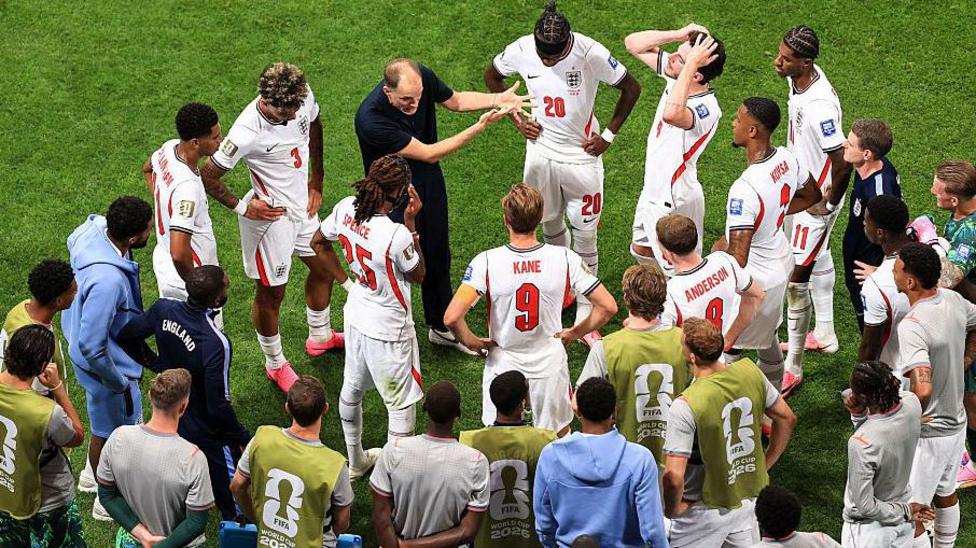
Hydration Breaks or Tactical Masterstrokes? Inside England's Comeback
England rallied past DR Congo to reach the last 16, but did scheduled cooling breaks rewrite the script of the match?