Five Teams Line Up Rookies for Hungary FP1 Shake-Up
Nearly half the grid will swap in rookie drivers for Friday practice at the Hungaroring, with McLaren, Mercedes, Alpine, Haas and Cadillac all participating.
Friday practice at the Hungarian Grand Prix will look markedly different from the usual routine. Five of the grid's 11 teams have confirmed they will run rookie drivers during FP1, reshuffling their line-ups for the opening session at the Hungaroring.
McLaren, Mercedes, Alpine, Haas, and Cadillac will all field less experienced drivers alongside their regular race line-ups. Nearly half the cars on track during the first 60 minutes of running will be piloted by someone other than the usual occupant.
Why Hungary Draws the Rookie Obligations
Under current FIA regulations, teams are required to run drivers with fewer than two Grand Prix starts in at least two FP1 sessions per season. The rule gives young talent meaningful track time in contemporary machinery, and teams typically spread these obligations across the calendar strategically.
Hungary's appeal as a venue is straightforward. The Hungaroring is a short, technical circuit with few high-speed corners where an inexperienced driver might overstep the limit and cause significant damage. Its tight, twisting layout punishes mistakes through time loss rather than physical consequences, rewarding precision over bravery. The lack of long straights and the emphasis on mechanical grip also mean a rookie's lap time is more directly tied to feel and car control than aerodynamic confidence, giving teams a cleaner read on driver adaptability.
Auditions at McLaren and Mercedes, Data at Alpine and Haas
For McLaren and Mercedes, the FP1 sessions double as extended auditions. Both teams have active driver development programmes and contract decisions to plan. A strong showing in a Friday practice session can shift internal conversations about who occupies a seat in coming seasons.
Alpine and Haas occupy a different position. Both teams sit in the midfield where marginal gains matter. A rookie FP1 run offers a chance to gather data with a lighter fuel load and different driving style, giving engineers another data point for setup work. A fresh perspective in the cockpit sometimes highlights a characteristic of the car that the regular drivers have unconsciously adapted to and stopped flagging.
Cadillac's involvement is the most interesting subplot. As the newest team on the grid, every session of running is critical for building knowledge of its own car and operations. Their rookie programme is less about scouting and more about accelerating the team's understanding of its machinery.
One Fewer Hour of Setup Time for the Regulars
The FP1 shake-up carries a practical consequence for the regular drivers. Those sitting out the session will have one fewer hour of track time to nail their baseline setup before the weekend's competitive sessions begin. At a circuit where overtaking is notoriously difficult and grid position carries outsized importance, losing that session could decide a qualifying battle.
Qualifying at the Hungaroring has historically rewarded drivers who maximise every available minute of practice. The narrow, abrasive track surface evolves significantly through a weekend, and the balance between front and rear degradation shifts as rubber is laid down. Drivers who lose FP1 time to a rookie run must compensate quickly in FP2 and FP3.
Editorial Integrity
This is an original SportPulse article written by our editorial team. All content is independently researched, written, and reviewed by our writers and editors before publication. We do not publish copied, aggregated, or syndicated content.
SportPulse is committed to original sports journalism. Read our editorial policy or contact us with any questions.
More Like This
All f1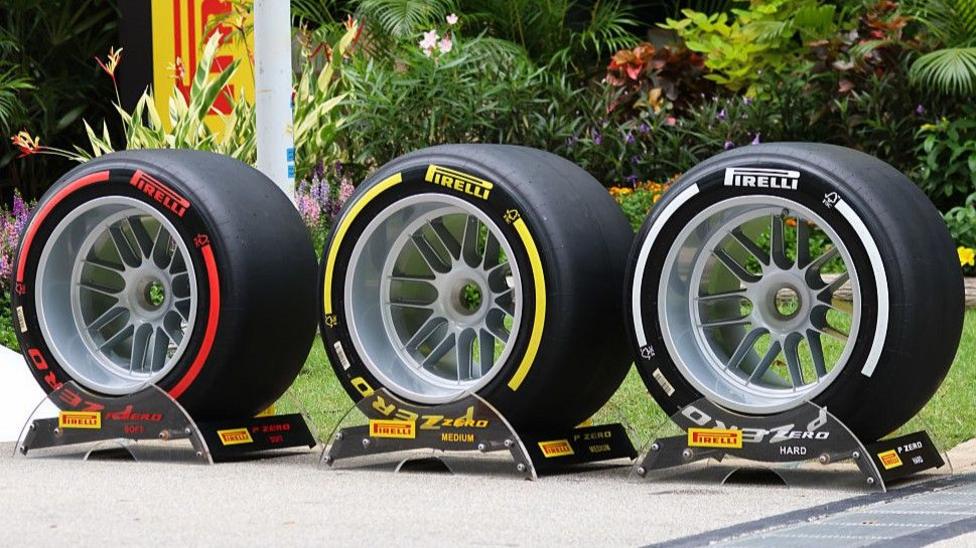
Decoding F1's 2026 Tyre Revolution
F1's 2026 regulations will shrink tyres and ditch blankets, forcing a radical rethink of aero sensitivity and mechanical grip.
Spa Awaits: Thunder, Eau Rouge, and a Title Fight Ready to Ignite
The 2026 Belgian Grand Prix approaches with championship tension boiling over at Formula 1's most fearsome cathedral of speed.

Red Bull Ring Awaits: Why the 2026 Austrian GP Could Rewrite the Pecking Order
New regulations, thinner air, and a brutally short lap make Spielberg the ultimate 2026 litmus test for every team on the grid.