When the Party Turns Dark: France-Morocco Fallout Rocks London and Claims a Life
A teenager dead in France, an officer hospitalized in London. The World Cup quarterfinal's aftermath exposed football's unresolved identity fault lines.
A Night That Began With Hope and Ended in Tragedy
Football has always promised a kind of beautiful madness. On Thursday night, that madness crossed a line no scoreboard can rationalize.
France beat Morocco 2-0 in a World Cup quarterfinal played in Boston. By the time the final whistle echoed across the Atlantic, the consequences had already started unfolding in the streets of London. And in France itself, a teenager's life was cut short while celebrating.
This is the version of the World Cup that FIFA does not put in its promotional videos. This is the reality that lurks beneath every flag draped over a balcony and every flare lit in a public square.
Edgware Road Erupts
The Met Police moved in when celebrations on Edgware Road spiraled into violent disorder.
Social media footage captured a scene that had long since stopped resembling a football celebration. Flares cut through the night air. Missiles rained down on officers standing in the middle of a London street that, for hours, had belonged to fans.
The Metropolitan Police confirmed that four people were arrested for violent disorder. One officer was taken to hospital with a head injury after being struck by a glass bottle.
That officer was not on a football pitch. He was not a participant in a sporting contest. He was a public servant standing between civic order and chaos, and he ended up in a hospital bed because of a match he likely had no stake in.
This is worth pausing on. A 2-0 result in a quarterfinal in the United States sent a human being to a London hospital. That sentence should feel absurd. On Thursday night, it was simply the news.
A Death That Defies Comprehension
While London grappled with bottle-throwing and arrests, France was confronting something far worse.
A teenager died while celebrating the national team's victory. The details surrounding the death remain scarce, but the bare fact alone is enough to stop anyone mid-celebration and force them to ask what this has all become.
A young person went out to cheer for a football team. That young person did not come home.
There is no tactical analysis that makes sense of that. There is no xG model or possession statistic that contextualizes it. A family is grieving today because of a football result, and the sport has no language adequate for that grief.
The 2010 Shadow and France's Reckoning
For France, this tournament carries a unique historical resonance. The last time Les Bleus reached a World Cup quarterfinal, in 2010, the aftermath was humiliation. A player revolt, a training-ground bust-up, and an early exit that became a national scandal.
This time, the football has been addressed. France won. They advanced. The players on the pitch in Boston did their job.
But the celebration around them has now been stained by a death in their own country. The juxtaposition is brutal. A generation of French fans watching in 2010 remember the shame of Knysna. A new generation in 2025 will remember a night when victory was followed by mourning.
France's football federation has not yet spoken publicly about the tragedy. At some point, they will have to. When they do, the tone will matter as much as the words.
Why London Becomes the Pressure Valve
Edgware Road is no stranger to football-adjacent tension. The area has long been a gathering point for communities across the Arab world and beyond, and when Morocco play, the streets reflect that pride and passion.
But Thursday night was never going to be a simple celebration. Morocco's run to the quarterfinals has carried an emotional weight that extends far beyond football. The team has become a symbol of Arab and African possibility on the world stage. Every match felt like a referendum on belonging.
When that dream ended against France, the disappointment was always going to find an outlet. London, with its deep diaspora connections, was always going to feel the ripple.
Violent disorder is not a political statement. It is not a form of grief. It is a choice, and on Thursday night, enough people made that choice to send an officer to hospital.
A Question Without a Satisfying Answer
There is a tendency, after nights like this, to reach for familiar narratives. We blame the fans. We blame the police. We blame the game itself, as if eleven players kicking a ball on another continent are somehow responsible for a glass bottle thrown on a London street.
The truth is simpler and harder to sit with. Football does not create the demons that emerge on nights like this. It simply provides the spark and the crowd. The fuel has been there all along.
Disappointment, identity, grievance, and adrenaline are a volatile mixture. Add alcohol and darkness and defeat, and Edgware Road becomes what it became.
None of which excuses it. Understanding is not the same as condoning. The people who threw missiles at police officers on Thursday night made a decision. They will face the legal consequences of that decision, as they should.
Morocco's Exit and the Weight of What Might Have Been
For Morocco, the quarterfinal exit is a bitter pill, but one that should not obscure what this team achieved.
They reached the last eight of a World Cup. They carried the hopes of a continent and a diaspora on their shoulders. They played with a freedom and a ferocity that made neutrals fall in love with them.
That this chapter ended against France, the nation that colonized Morocco and still casts a long shadow over its politics and culture, added a layer of historical electricity to a football match that was already charged.
It is easy to see why the result hit harder than a standard quarterfinal defeat. It is harder to see why that pain had to manifest as a police officer bleeding on a London street.
The Quarterfinals and the Tournament's Unwritten Story
France advancing to the semifinals is a football story. A teenager dying and an officer hospitalized is a human story. The World Cup, like every major sporting event, produces both whether it wants to or not.
The tournament will continue. France will play again. The semifinals will dominate headlines, and the events of Thursday night will fade into the background for everyone except the families directly affected.
That is how this always works. The stadium moves on. The streets are cleaned. The arrested appear in court. The hospitalized are treated. The dead are buried.
And the next match begins, and we convince ourselves that this time, the football will be enough.
On Thursday night in London and in France, it was not enough. It was never going to be.
What Comes Next
The Metropolitan Police investigation into the Edgware Road disorder will continue. Three arrests remain active, and the prospect of further charges has not been ruled out.
In France, authorities are piecing together how a celebration turned lethal. The teenage victim's identity has not been released publicly. What is known is that a young life ended on a night that was supposed to be about joy.
France's semifinal will proceed. Morocco's players will return to their clubs and their lives. The World Cup will go on because it always goes on.
But on a Thursday night in December, the game reminded everyone watching that it is never just a game. It is identity and belonging and passion and pain, and sometimes, on the worst nights, it is a glass bottle arcing through the air toward a police officer's head.
Football did not throw that bottle. Football did not kill that teenager. But football was the reason they were all there, in those streets, on that night, and that is a truth the sport cannot outrun.
Editorial Integrity
This is an original SportPulse article written by our editorial team. All content is independently researched, written, and reviewed by our writers and editors before publication. We do not publish copied, aggregated, or syndicated content.
SportPulse is committed to original sports journalism. Read our editorial policy or contact us with any questions.
More Like This
All football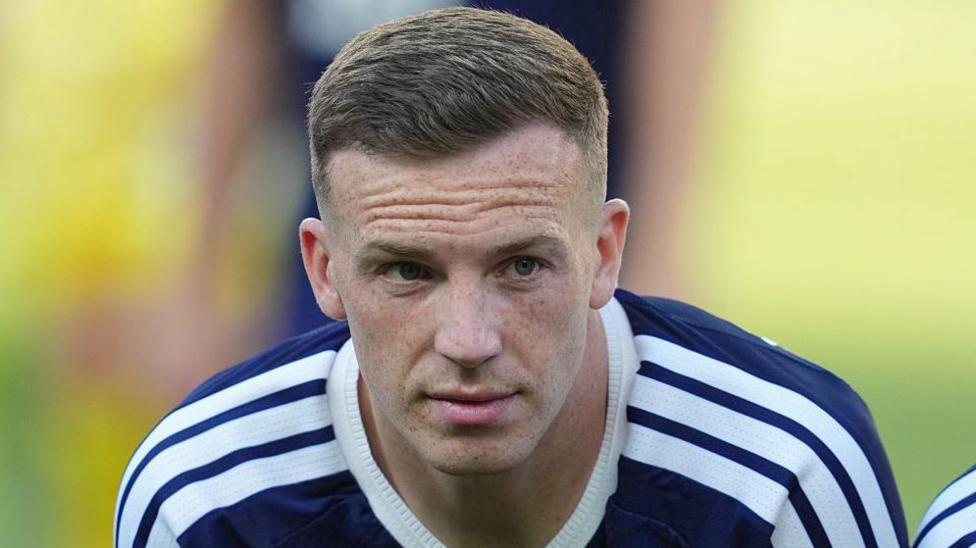
Ferguson: The Serie A Metronome Driving Scotland's World Cup Ambitions
Lewis Ferguson's Bologna pedigree is transforming Scotland's midfield ahead of their defining World Cup clash with Brazil.
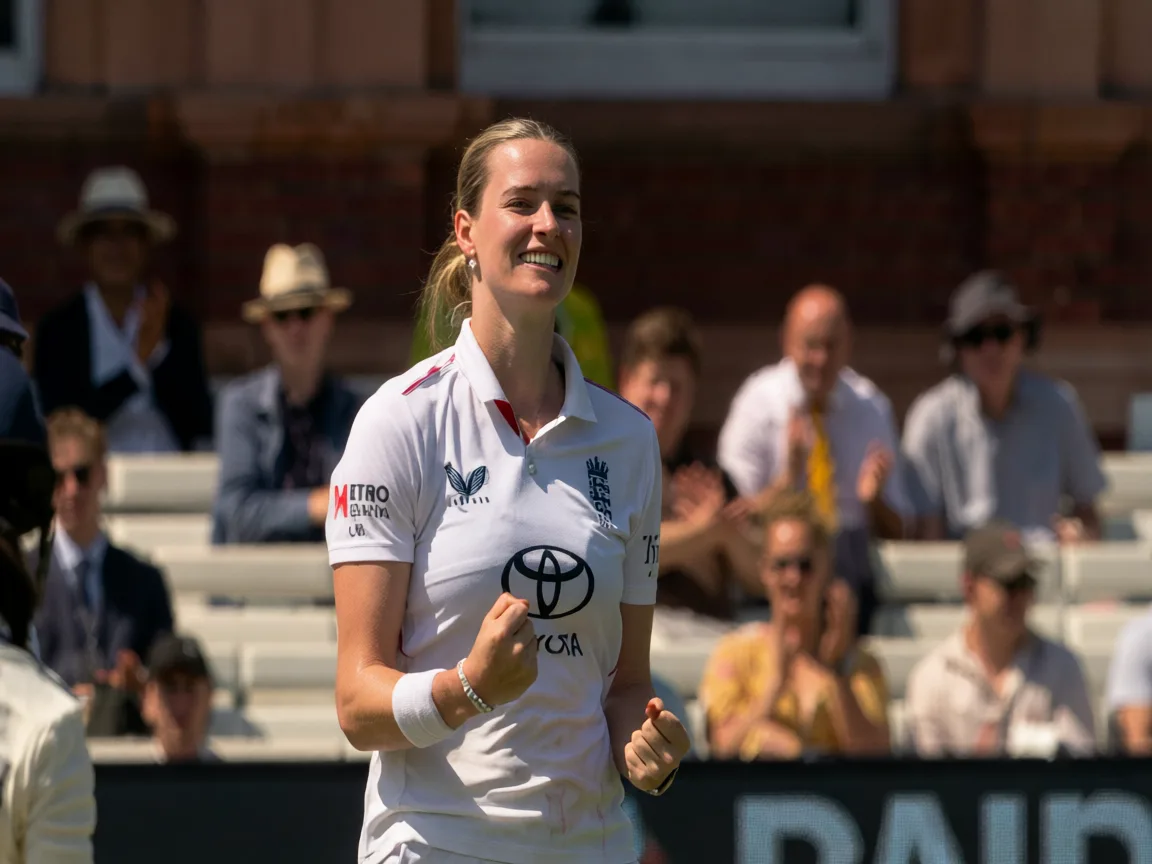
Lauren Bell Sparks Lord's Into Life As England Chase Historic Comeback
Jemimah Rodrigues falls to a Bell beauty as England cling to hope against India's relentless march at Lord's.
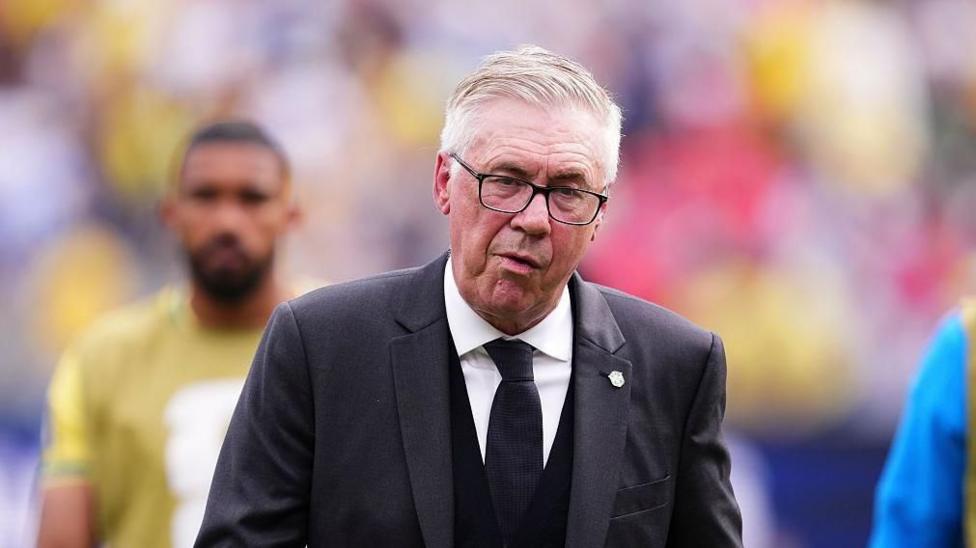
Brazil's Tactical Decline Exposes Existential Crisis Beyond Ancelotti
Brazil's World Cup exit to Norway revealed structural decay no coach can quickly fix, questioning whether Ancelotti suits a rebuilding project.