Dembélé Breaks His Duck, But France's Group Dominance Is a Double-Edged Sword
France are rolling through Group I, but easy wins may breed false confidence before the knockout gauntlet.
Haaland Waves the White Flag Before a Ball Is Kicked
Erling Haaland is not known for psychological surrender. The man has scored over 100 goals for Manchester City, terrorizes defenders with the casual menace of someone ordering coffee, and carries Norway's entire international ambition on his broad Scandinavian shoulders. So when he told Fox Sports, "Honestly I don't care that much. They're probably going to win against us. They're probably going to win the whole tournament," the instinct is to call it gamesmanship. A deflection. Classic pre-match rope-a-dope.
But here is the uncomfortable truth Haaland may be acknowledging: France look like the most complete side at this World Cup, and the gap between them and everyone else in Group I is widening with every match. Friday's clash in Boston should, on paper, decide who tops the group. In reality, France have already made that decision for everyone.
Didier Deschamps will not entertain such talk, of course. He never does. The French manager has built a career on refusing to acknowledge inevitability, even when his teams create it. But after a storm-hit but ultimately comfortable victory over Iraq featuring another Kylian Mbappé brace, two more assists from Michael Olise, and the long-awaited arrival of Ousmane Dembélé to the goal-scoring party, the question is no longer whether France will top Group I. It is whether winning this easily is actually good preparation for what comes next.
Dembélé's 20-Match Wait Ends
The headline stat from the Iraq match deserves scrutiny. Dembélé scored his first tournament goal at the 20th attempt. Let that sink in. Twenty caps at major tournaments, across multiple World Cups and European Championships, without finding the net. For a player who has plied his trade at Barcelona and Paris Saint-Germain, who possesses some of the most devastating one-on-one ability in world football, the drought was becoming a narrative in itself.
That it ended against Iraq, in what amounted to a training exercise for France's front line, is perhaps fitting. Dembélé has always been a player whose talent arrives in bursts rather than sustained waves. His career assist numbers have consistently outstripped his goals. At PSG last season, he registered double-digit assists in Ligue 1 while his goal tally remained modest. He is a creator first, a finisher second, and France's system under Deschamps has historically leaned into that identity.
But the breakthrough matters psychologically. Deschamps has experimented with his attacking combinations throughout the group stage, and having Dembélé firing on all cylinders alongside Mbappé and Olise transforms France from dangerous to genuinely terrifying. The front three now offers pace on both flanks, clinical finishing through the middle, and enough creative passing to unlock any low block. Against Iraq, that trident combined for two goals and four assists. The numbers are gaudy, but the patterns matter more.
What the Numbers Say
- Mbappé's brace brings his tournament tally to a number that places him among the leading scorers at the 2026 World Cup
- Olise's two assists against Iraq add to a growing total that has quietly made him France's most effective creator in the group stage
- Dembélé ended a 20-match goal drought at major tournaments
- France have yet to trail in Group I and have maintained consistent possession dominance across all three group fixtures
The Complacency Trap
Here is where the analysis gets uncomfortable. France are winning, and winning well, but against opponents who pose limited tactical challenges. Iraq fought hard but lacked the quality to seriously test France's defensive structure. The earlier group opponents offered similar resistance, which is to say, not enough.
This is not a new problem for tournament favorites. History is littered with sides who cruised through group stages only to stumble when the quality of opposition jumped several levels overnight. The 2002 France squad won their group as defending champions and then failed to score a single goal in the entire tournament. Spain in 2014 dominated their qualifying group and arrived in Brazil as holders, only to be dismantled 5-1 by the Netherlands in their opening match.
The pattern is clear: group-stage dominance can mask structural vulnerabilities that elite knockout opponents will ruthlessly expose. France's defense has not been seriously pressed. Their midfield has not faced a side capable of sustained high-intensity pressing. Their goalkeeper has had relatively quiet afternoons. These are not weaknesses yet, but they are question marks that Norway, imperfect as they are, might begin to answer.
Haaland's Calculated Honesty
Haaland's comments deserve a second reading. "They're probably going to win against us" is not pure capitulation. It is a veteran move from a player who understands that removing pressure from his own side can be a tactical advantage in itself. Norway enter Friday's match with nothing to lose and everything to gain. France enter it expected to win, expected to dominate, expected to cruise.
That expectation gap is where upsets are born. Norway's counter-attacking structure, built around Haaland's movement and the service he receives from wide areas, is precisely the kind of threat that can punish complacency. If France's fullbacks push high, as they have throughout the group stage, Haaland's ability to exploit space in behind could be the first genuine test of Deschamps' defensive setup.
Deschamps' Selection Dilemma
The France manager faces a classic tournament dilemma. Does he rotate to protect key players and manage fitness, or does he maintain his strongest XI to build momentum and cohesion? With qualification essentially secured, logic points toward rest. But Deschamps is a pragmatist who understands that rhythm matters.
The integration of Dembélé into the starting lineup is a case in point. For years, Deschamps has used the PSG winger as an impact substitute, a player whose unpredictability is better deployed against tiring legs. The Iraq match suggested a tactical evolution: Dembélé starting, pressing from the front, and combining with Olise to create overloads on the flanks. If Deschamps reverts to conservative rotation against Norway, that progress stalls.
Conversely, fielding his strongest side risks injury and fatigue ahead of the knockout rounds, where France will face opponents capable of pushing them into extra time and beyond. The balance between preparation and preservation is one of the oldest tactical problems in tournament football, and Deschamps has navigated it before. His 2018 World Cup squad rotation in the final group match was masterful in its timing.
The Bottom Line
France are where they want to be: top of Group I, goals flowing, key players in form, and a squad depth that most nations would envy. Dembélé's breakthrough adds another dimension to an attack that was already the tournament's most potent. Olise's creativity has been a revelation. Mbappé remains Mbappé.
But Friday's match in Boston is not irrelevant. Norway offer something Iraq could not: a genuine counter-attacking threat led by one of the world's most lethal strikers. Haaland's pre-match mind games may be exactly that, or they may be a honest assessment wrapped in false modesty. Either way, this match gives France their first real opportunity to face adversity in a tournament where, so far, everything has gone according to plan.
The knockout rounds will not be this kind. Deschamps knows it, and the best thing France can do against Norway is prove they can handle a contest that does not go entirely their way. Group dominance is intoxicating. It is also, historically, one of the most dangerous drugs in tournament football.
Editorial Integrity
This is an original SportPulse article written by our editorial team. All content is independently researched, written, and reviewed by our writers and editors before publication. We do not publish copied, aggregated, or syndicated content.
SportPulse is committed to original sports journalism. Read our editorial policy or contact us with any questions.
More Like This
All football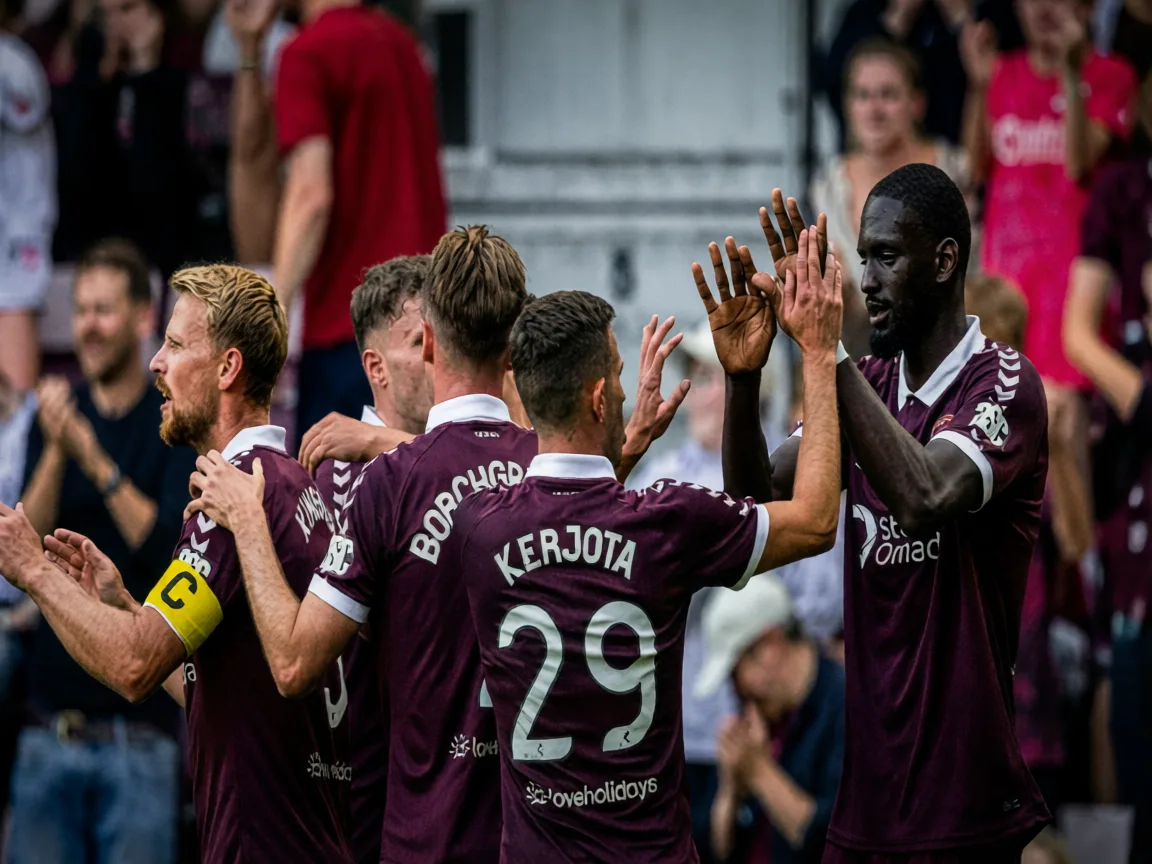
Four Scottish Clubs Brace for Pivotal European Qualifying Draws
Hearts, Rangers, Motherwell, and Hibernian face season-defining draw day with Champions League, Europa League, and Conference League paths up for grabs.
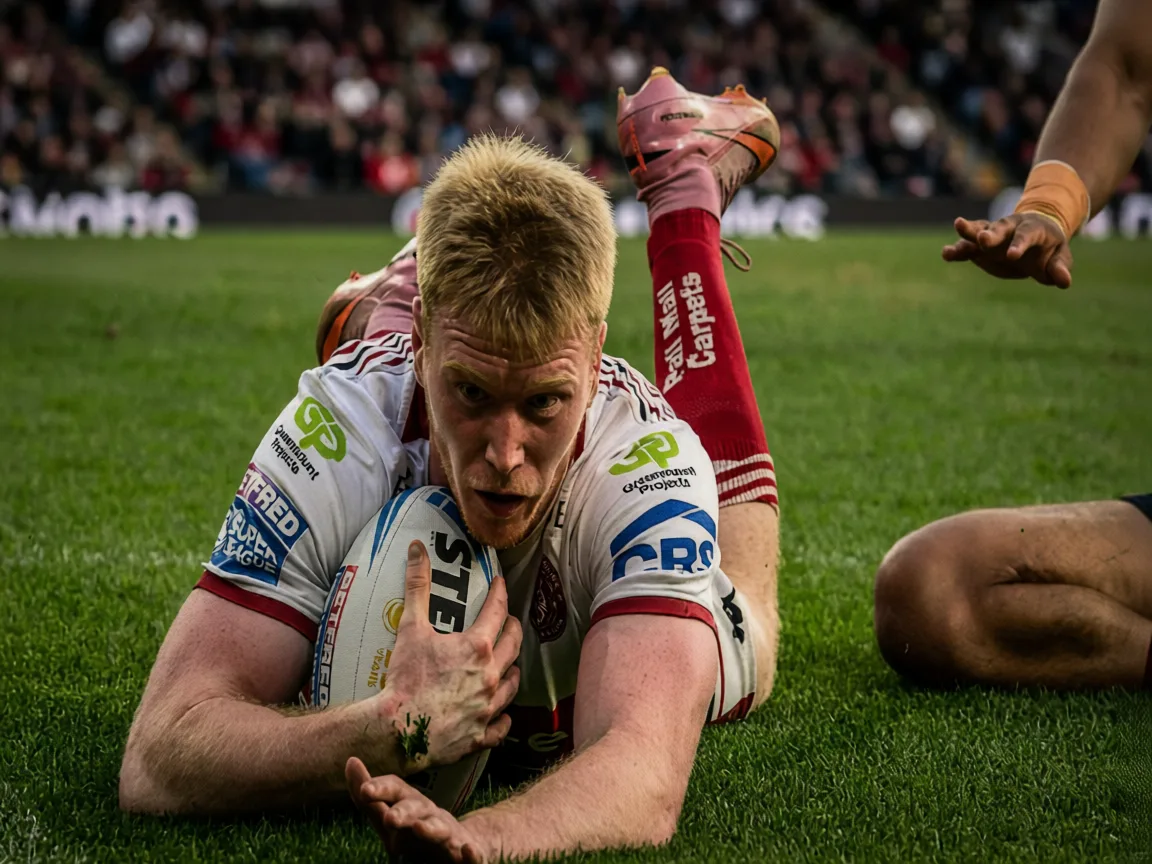
Eckersley Treble Keeps Wigan's Title Machine Rolling
Zach Eckersley's hat-trick sparks Wigan past Huddersfield, but the scoreline conceals deeper questions about both clubs.

Press vs Possession: Algeria and Austria Collide in World Cup Group J Showdown
Austria's pressing machine meets Algeria's technical flair in a World Cup group decider under the Kansas City lights.