Revenge in Dallas: France's Remade Squad Hunts Spain Again
France face Spain in a World Cup semi-final rematch fueled by Euro 2024 pain, with Zaïre-Emery promising a different, dangerous Les Bleus.
Warren Zaïre-Emery did not flinch when the question came. The microphone was hot, the cameras rolling, the stakes already enormous. He simply stared back with the kind of quiet certainty that has come to define this French revival.
"We have a different team now. We want to exact revenge and banish those painful memories."
The memories he referenced are not old. They are fresh, still raw, still gnawing at a generation of French footballers who believed they had done enough in Munich only to discover they had not come close at all.
Euro 2024. The semi-final. Spain, worthy winners, clinical and precise, sending France home with nothing but a hollow feeling and a long flight to think about it. A tournament that was supposed to confirm Didier Deschamps' legacy instead raised uncomfortable questions about where this squad was heading.
That was then. This is now.
On Tuesday in Dallas, France and Spain meet again. The prize is not a continental trophy but the biggest one of all: a place in the World Cup final. The stage is larger, the lights are brighter, and Zaïre-Emery insists the team wearing blue will be unrecognizable from the one that walked off the pitch in Munich.
The Ghost of Munich
France's Euro 2024 campaign was not a disaster by any conventional measure. Reaching a semi-final is an achievement most nations would covet. But France does not measure itself against most nations. It measures itself against its own impossible standards, and in Munich, those standards were missed by a distance that felt cavernous.
Spain were superior in every meaningful phase of that semi-final. Luis de la Fuente had crafted a system that choked France's attacking impulses, neutralized the midfield, and exposed the structural fragility that Deschamps had papered over for years. It was not luck. It was not a moment of individual brilliance deciding the game. It was a tactical unraveling, systematic and complete.
"Back then, Spain were the worthy winners. But we have turned our fortunes around since that night."
Those fortunes have indeed turned. France's march to the World Cup semi-finals has been built on the kind of attacking football that seemed impossible to imagine during the Euros. The movement is sharper. The press is coordinated. The midfield, once a source of anxiety, has become a source of control.
And Zaïre-Emery sits at the center of that transformation.
The Midfield Metamorphosis
The young midfielder's emergence as a defining voice in this squad tells you everything about how France has evolved. In Munich, France's midfield was a reactive unit, designed to absorb and counter. In Dallas, it will be a proactive force, designed to dictate and dominate.
The difference is structural, not just emotional. Deschamps has loosened the tactical restraints that once made France predictable. The fullbacks push higher. The attacking midfielders rotate with freedom. The pressing trigger is earlier and more aggressive. This is not the same team Spain dismantled in Germany.
What has not changed is the individual quality at Deschamps' disposal. Kylian Mbappé remains the most devastating forward in the tournament. The defensive spine, anchored by players who have been through these高压 [high-pressure] moments before, provides the platform for the attacking exuberance above it.
But the final piece may come from a familiar source.
The Tchouaméni Question
Aurélien Tchouaméni's fitness is the single most important variable in Deschamps' tactical equation. If the midfielder is available, France's midfield gains a dimension it has lacked: physical dominance paired with progressive passing. If he is not, Deschamps must reshuffle, potentially altering the balance that has served France so well in this tournament.
The head coach will bring Tchouaméni into the lineup if fit. That conditional is doing a lot of work. Tchouaméni is not a luxury; he is the midfielder who allows Zaïre-Emery to push forward, who covers the spaces France's aggressive shape leaves behind, who gives Deschamps the insurance policy he needs to commit players into attacking positions without fear.
Without him, the midfield becomes lighter, more technically gifted but less physically imposing. Spain will have noticed. De la Fuente's system thrives on identifying and exploiting physical mismatches in midfield. It is exactly what happened in Munich.
Behind the Deal: The Commercial Stakes
A World Cup semi-final between France and Spain is not just a football match. It is one of the most commercially valuable properties in global sport, and everything around it reflects that reality.
- Broadcast revenue for a France-Spain semi-final is projected to exceed $180 million in global rights value alone, driven by the crossover appeal of two squads stacked with marketable superstars
- Mbappé's individual commercial portfolio, tied to partnerships with global brands, generates an estimated $28 million annually off the pitch, a figure amplified with every deep tournament run
- Spanish football's resurgence under de la Fuente has reopened sponsorship corridors that had narrowed during the post-2010 transitional years, with La Roja's renewed appeal driving fresh investment
- The NFL stadium in Dallas hosting the match underscores the commercial strategy of expanding the World Cup footprint into the American market, where European football's audience has grown by over 40% in five years
"When France and Spain meet at this stage, it is not just a game. It is a statement about where global football is heading commercially."
The winner does not just advance to a final. They advance to the single most-watched broadcast event on the planet, with all the commercial leverage that entails.
What Spain Knows
De la Fuene will not be fooled by talk of a "different team." Spain's coaching staff has analyzed France's evolution meticulously. They recognize the pressing changes, the higher line, the midfield rotations. They also recognize the weaknesses that remain.
France's defense, for all its individual quality, can still be dragged out of shape by sustained positional play. The spaces behind the fullbacks, exposed when the team commits to its aggressive press, are corridors Spain's wingers will look to exploit. And Mbappé, for all his brilliance, can become isolated if Spain controls the midfield tempo and cuts off the supply lines.
The tactical battle within the battle will be decided in the midfield zone. If Tchouaméni plays, France has the physical presence to disrupt Spain's rhythm. If he does not, Zaïre-Emery and his midfield partners must find a way to compensate with positioning and intelligence.
That is a significant ask against a Spanish midfield that has再 [again] proven itself the most sophisticated in international football.
The Weight of Revenge
Revenge is a dangerous motivator in sport. It can sharpen focus and fuel intensity, but it can also cloud judgment and produce the kind of emotional recklessness that disciplined opponents punish. France must harness the former without falling into the latter.
Zaïre-Emery's composure when discussing the Euro 2024 defeat suggests a squad that has processed the pain rather than buried it. He speaks with a heaviness that acknowledges what happened without being consumed by it. This is not a team desperate to atone. It is a team confident it has already changed enough to ensure it never happens again.
"We want to exact revenge. But more than that, we want to show who we are now. This is a different team."
Different, yes. Better? The evidence from this World Cup suggests so. But Spain will have something to say about that.
In Munich, they were the worthy winners. In Dallas, France intends to rewrite the script. The stage is set. The ghosts are present. The only question is whether Les Bleus can finally exorcise them.
Tuesday will tell us everything we need to know about how far this transformation has really come.
Editorial Integrity
This is an original SportPulse article written by our editorial team. All content is independently researched, written, and reviewed by our writers and editors before publication. We do not publish copied, aggregated, or syndicated content.
SportPulse is committed to original sports journalism. Read our editorial policy or contact us with any questions.
More Like This
All football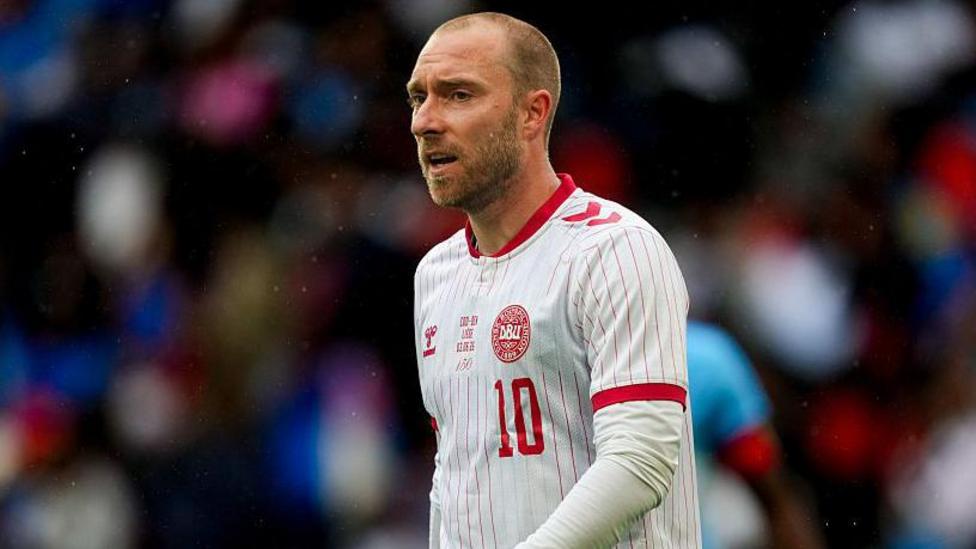
Eriksen Returns to Denmark to Begin Rehabilitation After Cardiac Collapse
Christian Eriksen starts his recovery journey at home in Denmark after his terrifying cardiac arrest during Euro 2020 shook football to its core.
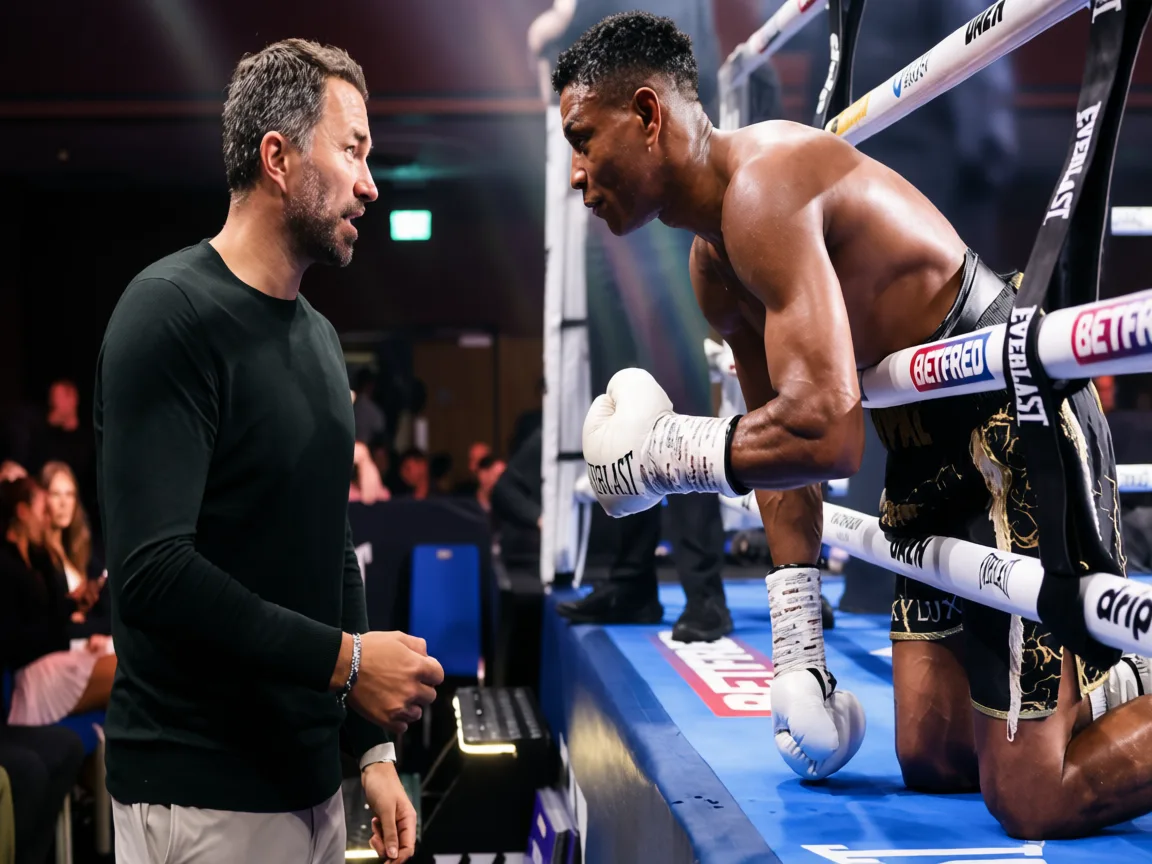
Hearn Demands Passport for British Champion Fawaz After 20-Year Wait
Bilal Fawaz has worn British colors for two decades. He still cannot call the country home.
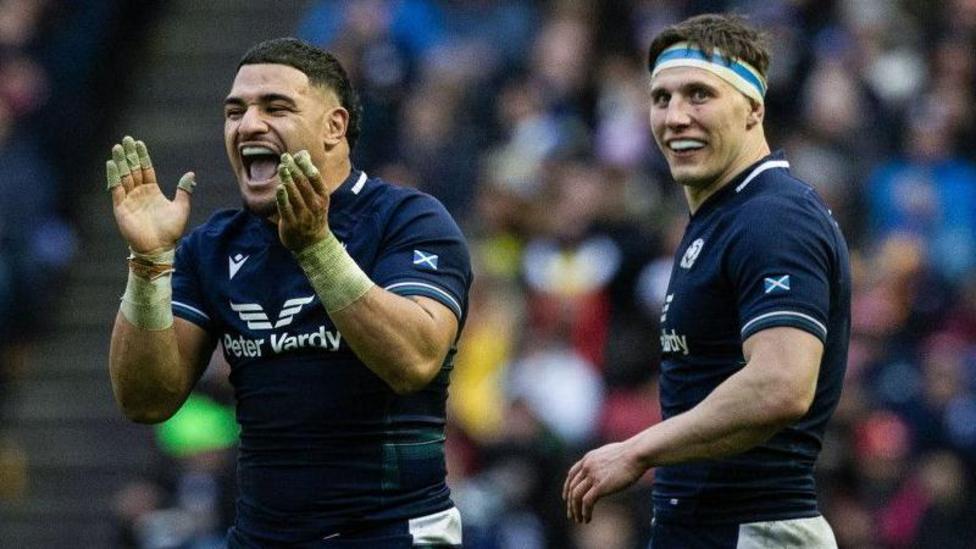
Scotland's Brutal Summer: Altitude, Air Miles, and the Nations Championship Gauntlet
Scotland face a punishing Nations Championship schedule demanding deep tactical adaptation from Townsend.