Furbank Ruled Out of Springbok Clash, Rooks Poised for Full-Back Debut
George Furbank's appendicitis opens the door for Charlie Rooks as England's Nations Championship plans unravel before the opener.
First England Camp Since 2024 Ends Before It Begins
Sometimes the cruelest tactical disruptions arrive not from a coach's decision but from a perforated organ. George Furbank, the Northampton Saints full-back earmarked for his first England appearance since 2024, has been ruled out of the Nations Championship opener against South Africa after contracting appendicitis. It is the kind of medical emergency that requires no tactical explanation, just a blunt medical bulletin and a frantic reshuffling of the backfield.
The timing is brutal. Furbank had reportedly been integrated into the starting XV during the build-up, re-established as the last line of defence for a side recalibrating under fresh leadership. If reports from camp are accurate, his seamless return was intended to provide an authoritative cool head at the back. Instead, the medical emergency has forced an instant contingency plan.
This is not the narrative Steve Borthwick's backroom staff wanted three days out from the curtain-raiser.
The Autumn International Series Walkover and the Springbok Threat
To understand why Furbank's absence creates genuine anxiety rather than a routine squad adjustment, one must look atrecent international windows. England, during the Autumn International Series, were largely untroubled, sweeping aside Japan and confronting their own inconsistencies without facing a side of South Africa's physical calibre.
The Springboks are a different beast entirely. Their suffocating kicking game, hybrid defensive structures, and relentless mauling demand a full-back who is technically flawless under the high ball, positionally astute, and kicking distribution accurate. Furbank, for all his defensive question marks in previous campaigns, had evolved into exactly that profile at club level. His positional play for Northampton Saints had reached a level of maturity that made him an ideal foil for the territory-heavy approach Borthwick favours.
The numbers from his most recent club season spawned the confidence in his recall. Performance metrics highlighted a player transformed by responsibility.
Furbank's 2023/24 Club Profile
- Field-kick accuracy: 82.3% across all competitions
- Aerial contests won: 68%, up from 54% the previous campaign
- metres gained from deep per match: 47.4, ranking among the top five full-backs in the league
A team's defensive fragility is often measured not by the tackles it misses but by the kicks it fails to diffuse. Against the Springboks, that equation becomes magnified tenfold.
The Springbok kicking game will target England's backfield with surgical intent. The statistical breakdown of South Africa's offensive structure shows a team that kicks 42% of possession regained inside their own half. That is not a strategy born of necessity but of design. Furbank's ability to diffuse those contests, or position himself to clean up the second ball, was a key reason he was selected in the first place.
How Rooks Fits into the Tactical Jigsaw
Any selection shift this late in the week carries a cascading effect. It is rarely as simple as a direct swap. Charlie Rooks, the uncapped prodigy named as cover, is highly likely to fill the vacancy. But naively suggesting he will merely slot into Furbank's role misses the nuance of the tactical jigsaw.
Rooks' strength lies not in his positional nous or kicking game but in his dynamism and ability to counter-attack from deep. He is not a carbon copy of Furbank; he represents a stylistic pivot. The tactical conversation now revolves around how England's backline system accommodates a player with a different profile.
The coaching staff now face a choice. Do they stick with a territorial kicking game designed for Furbank's precise left boot, or do they shift to a more expansive counter-attacking approach that maximises Rooks' strengths?
If the latter, it places greater pressure on England's fly-half and centres to manage the game differently. The temptation to play more expansively against a side of South Africa's calibre would be a significant gamble, but one that could pay dividends.
The alternative is to shift the kicking workload to the half-backs and outside centre, demanding that Rooks focus purely on receiving the ball and running with ambition. This is possible, but it removes a layer of tactical control from the backfield.
The Tactical Crossroads
- Option A: The Conservative Pivot. Select Rooks but tweak the gameplan to play slightly more rugby from deep, accepting the risk of turnovers.
- Option B: The Belief Play. Retain the Furbank kicking template and instruct Marcus Smith or George Ford to take on more territorial kicking responsibility, leaving Rooks as a pure runner.
- Option B (variant): A complete strategic pivot to a counter-attacking philosophy, demanding the pack generate quick ruck ball to unleash Rooks in broken field.
Each carries deep risk. The Conservative Pivot is the most prudent given the opposition, but it creates a version of a backline weapon operating at perhaps 70% of his potential impact. The Belief Play carries the greatest volatility, exposing the fly-half to increased physical risk of being caught in the backfield, but it could yield the highest upside.
Verdict: Borthwick is a conservative coach, but the second option feels most likely. It preserves the overarching territorial structure while trusting the fly-half to manage the game.
The Broader Squad Implications
Squad depth is a hallmark of the Borthwick era, but it is tested in moments like these. The Nations Championship is a new competition format, and an opening defeat puts a team immediately on the back foot in the pool standings. England's pool is unforgiving, with South Africa, New Zealand, and Argentina all posing distinct tactical challenges.
Furbank's absence does not merely remove a player; it removes certainty. The rest of the backline now operates with a slightly different geometry, a different command structure at the back. The centre pairing, whoever they may be, must communicate with a new voice behind them.
This is where the leadership vacuum becomes most acute. A full-back is often the quarterback of the defensive system, calling adjustments, managing the backfield spacing, and ensuring the line speed is coordinated with the chase. Rooks, for all his athletic gifts, has not developed that vocal authority at international level because he has never been there.
The coaching staff will spend the next 48 hours cramming that information into a player who has not experienced the, restarting his career after a mystery chronic issue.
The Bigger Picture for England's Summer
This fixture represents the beginning of a critical summer窗口 for English rugby. The Nations Championship is not a series of friendlies. It is a structured competition with finals, rankings, and a not insignificant degree of global prestige. A strong showing resets the narrative around this England side after a mixed Six Nations. A poor one amplifies the pressure on the coaching ticket.
Furbank's absence will be measured not just in his personal missed opportunity but in how the team performs without him. If Rooks slots in seamlessly and England produce a performance of defensive discipline and tactical maturity, the narrative shifts to one of remarkable squad depth. If they crumble under the Springbok kicking barrage, questions will resurface about why a player of Furbank's experience and current club form was so indispensable.
The immediate concern for England is medical. Furbank's appendicitis is a short-term issue, one that should resolve within weeks rather than months. But the timing is brutally unforgiving. A return to the matchday squad later in the Nations Championship remains plausible if he recovers on schedule.
The Bottom Line: Injuries do not care about narratives. They arrive without warning and alter the best-laid plans. Borthwick now faces the most demanding tactical examination of his tenure, and he must solve the full-back puzzle without the one player he believed was the answer.
The Springboks will be watching closely, and they will kick with even greater conviction now that they smell uncertainty.
Editorial Integrity
This is an original SportPulse article written by our editorial team. All content is independently researched, written, and reviewed by our writers and editors before publication. We do not publish copied, aggregated, or syndicated content.
SportPulse is committed to original sports journalism. Read our editorial policy or contact us with any questions.
More Like This
All football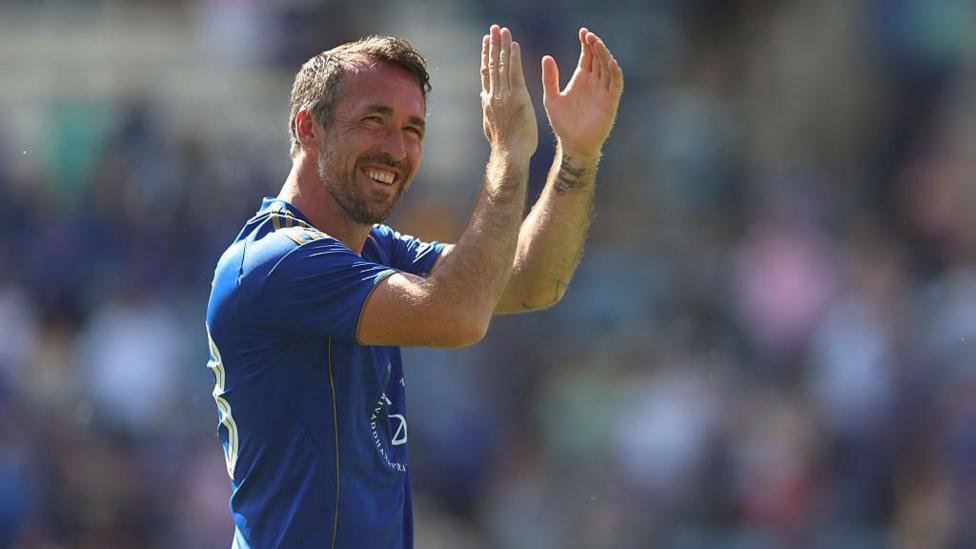
From Premier League Glory to Village Cricket: Christian Fuchs Hits a Six on Debut
Just one day after resigning as Newport County boss, Christian Fuchs swapped the dugout for the crease in Derbyshire village cricket.
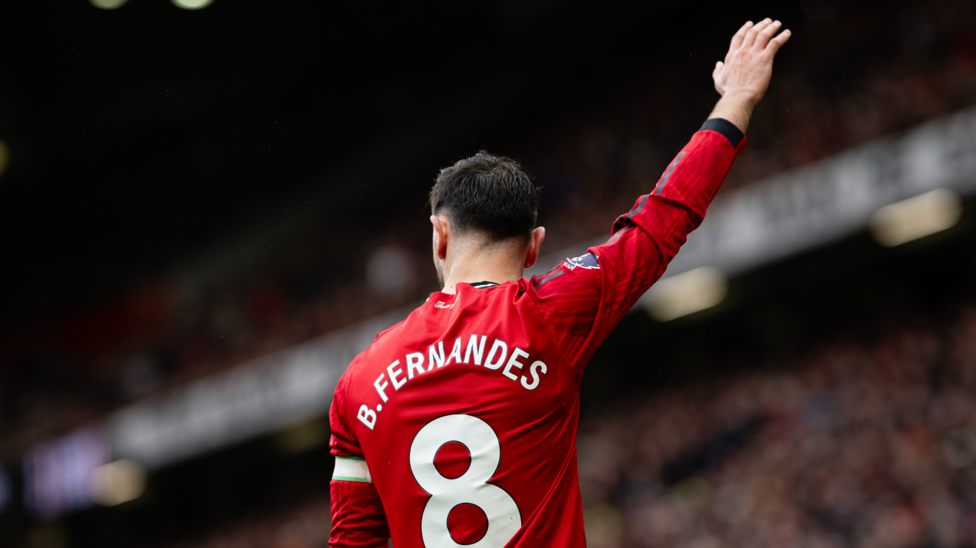
The Magic Number 20: Premier League's Ultimate Playmaker Record
Only two men have ever hit 20 assists in a single Premier League season. The record remains football's loneliest summit.
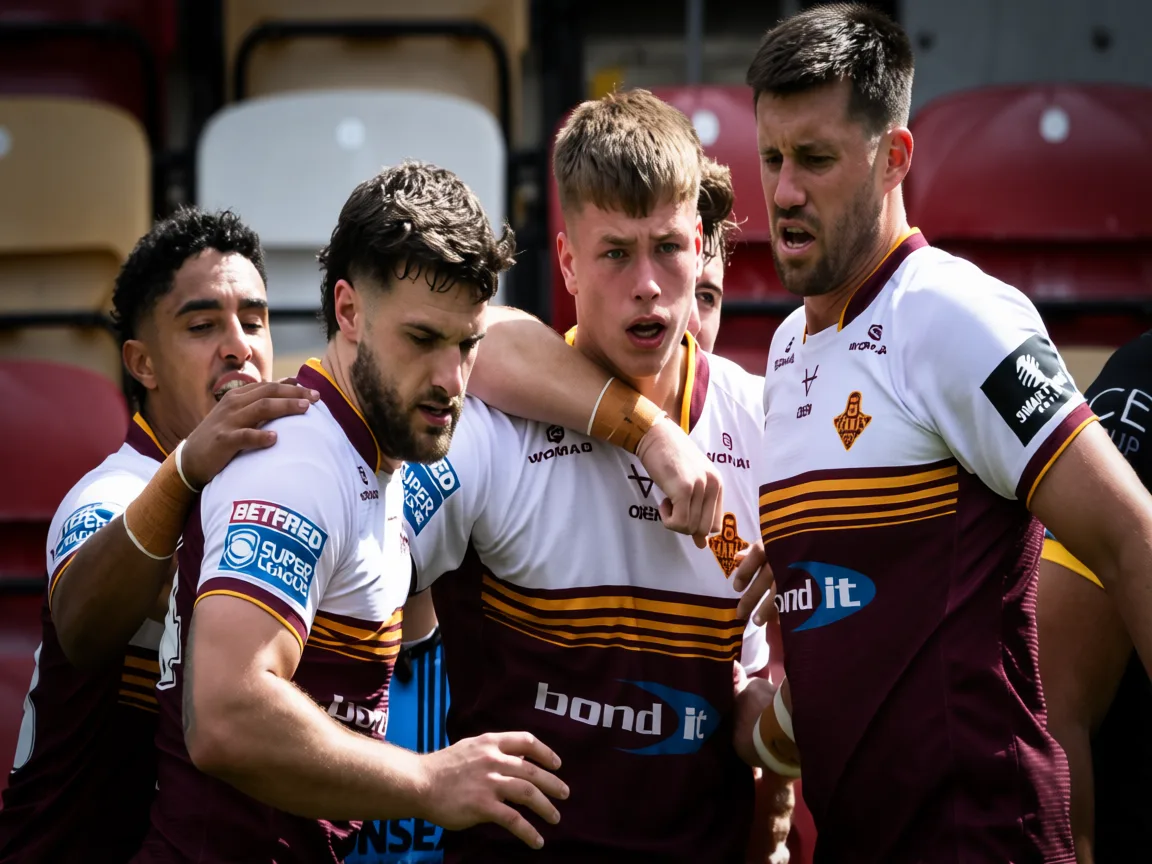
Huddersfield Giants Snap 12-Match Super League Losing Run at York
Huddersfield Giants finally halt a 12-game losing streak with a spirited away victory against the York Knights.