Fury-Joshua at Wembley Hinges on American Television
Turki Alalshikh says Fury vs Joshua at Wembley requires a late-night kick-off to satisfy US broadcasters, setting up a logistical clash.
The Broadcasting Bottleneck
A potential heavyweight collision between Tyson Fury and Anthony Joshua at Wembley Stadium faces a significant logistical hurdle. Saudi boxing powerbroker Turki Alalshikh has declared the fight will only head to the national stadium if local authorities agree to a later-than-usual start time. The demand is driven entirely by the need to accommodate American television audiences. This single condition threatens to complicate one of the most anticipated domestic showdowns in boxing history.
The core issue is a severe timezone conflict. A massive Wembley event traditionally caters to British fans, with pay-per-view timings usually falling around 10:30 PM or 11:00 PM local time. However, flipping the card to suit US prime time means pushing the main event push closer to 2:00 AM or 3:00 AM UK time. Alalshikh is making it clear that American broadcast dollars dictate the schedule.
The Economics of Prime Time
The financial architecture of modern heavyweight boxing relies heavily on American pay-per-view sales. Saudi Arabia has revolutionized the sport by absorbing massive site fees, but the profitability ceiling remains tied to US network viewership. A fight starting at 5:00 PM Eastern Time captures the lucrative East Coast audience. If Wembley sticks to a standard UK schedule, the fight lands in the early afternoon across America. That timeframe is commercial poison for pay-per-view buys.
Alalshikh holds the leverage to make these demands. His financial backing has essentially centralized the heavyweight division, steering the biggest fights to Riyadh. If he wants the Fury-Joshua spectacle staged in London, the financial model must still respect the American broadcast partners. That means local councils and safety advisory groups in Brent must sign off on a shockingly late kick-off.
Securing permission for a 2:00 AM finish at Wembley is incredibly rare. The stadium has a strict noise management policy due to its residential proximity. Concerts face rigorous curfew enforcement, and boxing events typically wrap up before midnight to ensure public transport networks can handle the exodus. Pushing the main event deep into Sunday morning creates a massive logistical nightmare for local transport police and council authorities.
Historical Precedents
There is some historical precedent for late-night fights in the UK, though rarely at venues as massive and regulated as the national stadium. The iconic Lennox Lewis era saw fighters endure extreme delays to appease American audiences. More recently, the Amir Khan bouts in the UK often featured early undercards stretching late into the night to align with Las Vegas broadcasts. Wembley, however, is a different beast entirely.
The venue holds 90,000 fans. Clearing that many people from a residential borough at 3:00 AM is an unprecedented challenge. Public transport networks shut down, requiring specialized night services. Local residents in Brent have historically been highly vocal about stadium disruptions. Alalshikh’s public declaration is essentially a warning shot to the local council.
The Saudi Leverage
Inside the boxing industry, Alalshikh’s comment is interpreted as a take-it-or-leave-it stance. The alternative to a Wembley night is simple: move the fight to Riyadh. Saudi Arabia has zero timezone conflicts for American broadcasts. A fight in Riyadh perfectly captures the US East Coast prime time window without antagonizing local residents. This gives Alalshikh immense power in negotiations with UK stadium authorities.
A Wembley showdown would offer British fans a rare domestic superfight. Both Tyson Fury and Anthony Joshua grew up fighting on UK soil, building their massive domestic followings through local events. Taking this definitive all-British heavyweight clash overseas deprives the UK boxing ecosystem of a marquee moment. Alalshikh knows the emotional value of a Wembley fight, but he will not sacrifice American revenue for sentimentality.
The Stakes for Both Fighters
The timing of this logistical battle is delicate. Tyson Fury is currently navigating a high-profile rematch against Oleksandr Usyk in December, making any immediate Wembley planning theoretical. Meanwhile, Anthony Joshua is rebuilding momentum under new trainer Ben Davison, securing steady wins to remain positioned for a lucrative title shot. A Fury-Joshua fight is only viable if both men emerge from their immediate schedules with their marketability intact.
A late loss for either fighter would dramatically deflate the financial magnitude of the Wembley spectacle. American distributors require a compelling narrative to sell a pay-per-view, and an undefeated backdrop against a rebuilding contender does not maximize revenue. The scheduling demands from Alalshikh assume both heavyweights remain bankable commodities when the bell finally rings.
Inside the promoter camp, the atmosphere surrounding this negotiation is reportedly tense. Advisors are acutely aware that one logistical misstep could force the entire event to relocate. Alalshikh does not negotiate from a position of weakness. He dictates terms bluntly, and his recent interview signals frustration with the pace of UK stadium compliance. The sheer scale of the proposed event terrifies local planners.
"We want to give the fans this fight in London, but the clock is entirely in the hands of the local authorities. Without their approval for a late start, the numbers simply do not work."
What It Means
The caveat attached to a Wembley staging reveals the true power dynamics of modern boxing. National borders and sentimental venues mean nothing if they disrupt the American revenue stream. Turki Alalshikh is publicly applying pressure on UK councils, making it clear that Riyadh remains the default, frictionless option. If Brent council refuses a late curfew, the fight moves to Saudi Arabia.
For British boxing fans, the message is stark. The local stadium experience is now hostage to American television schedules. If fans want to witness Fury and Joshua collide on home soil, they must be prepared to leave Wembley in the early hours of a Sunday morning. The alternative is watching their domestic superfight unfold thousands of miles away in the desert.
Editorial Integrity
This is an original SportPulse article written by our editorial team. All content is independently researched, written, and reviewed by our writers and editors before publication. We do not publish copied, aggregated, or syndicated content.
SportPulse is committed to original sports journalism. Read our editorial policy or contact us with any questions.
More Like This
All long-reads
Joshoua vs Prenga in Saudi Arabia: The Fury Setup
Anthony Joshua's dramatic stoppage of Kristian Prenga in Saudi Arabia was engineered to land Tyson Fury, not to answer sporting questions.

From Cold War Souvenirs to Vuvuzelas: A Tactical History in Memorabilia
World Cup memorabilia from 1966 to 2010 reveals how football's tactical culture shifted from institutional order to chaotic global spectacle.
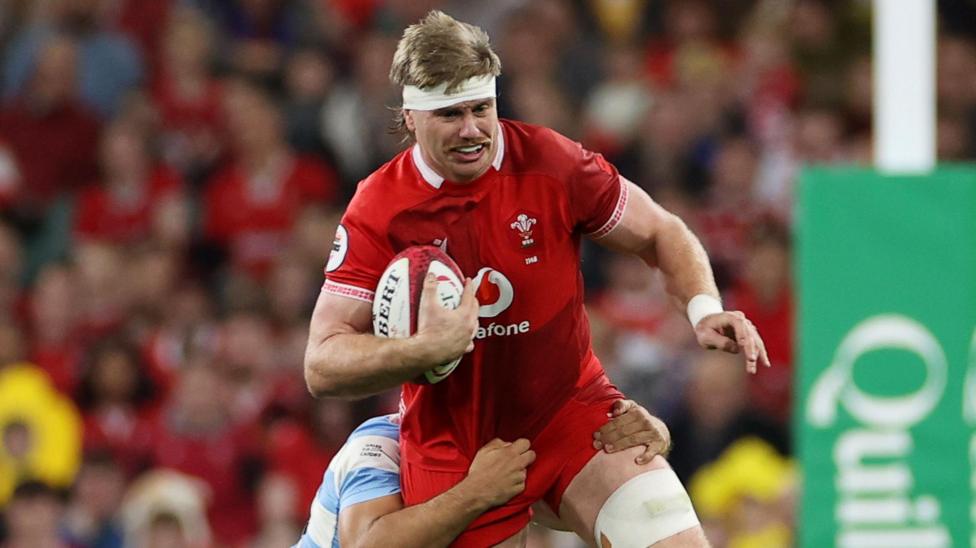
Wainwright's San Juan Return Brings Wales Tactical Reset
Aaron Wainwright revisits his first cap venue as Wales restructure their back row to counter Argentina's physicality in San Juan.