Gareth Bale: From Tactical Weapon to Boardroom Investor
Gareth Bale's pivot from pitch to ownership reflects a modern footballer Trend blending sporting intellect with capital-driven structural control.
The Architect Rewrites His Blueprint
Gareth Bale's career was defined by his devastating exploitation of space. Whether tearing down the right flank at Tottenham or operating as an inverted weapon at Real Madrid, his understanding of geometry and timing separated him from peers. Now, the Welsh legend is applying that same spatial awareness to a different pitch: the boardroom. Bale's announcement to BBC Sport Wales that he is actively entering the business side of sport, with an eye on club ownership, is not a mere retirement vanity project. It is a calculated tactical shift by a player who always understood the broader ecosystem of European football.
The modern footballer-owned club is no longer a novelty, yet Bale's trajectory offers a unique depth. When former professionals transition into ownership, they frequently rely on emotional resonance and nostalgic brand equity. Bale, however, has consistently demonstrated a cold, analytical approach to his career trajectory. Moving from an icon who executes the game plan to an investor who authors it is the logical progression for a player who spent his peak years deciphering and dismantling high-oxygen pressing systems across the continent.
Decoding the Pitch-to-Boardroom Transition
To understand why Bale is positioning himself as an investor, one must examine the structural limitations he faced as a player. At Real Madrid, Bale functioned within a 4-3-3 framework that demanded rigid positional discipline, particularly under Zinedine Zidane. His output was extraordinary: 106 goals in 258 appearances, including decisive strikes in two Champions League finals. Yet the friction between his intuitive, explosive style and the structural demands of Madrid’s tactical system eventually eroded his marginal utility. He experienced firsthand how a club's sporting philosophy and financial imperatives dictate a player's ceiling.
This duality of peak performance and systemic constraint fuels his current ambition. Bale recognizes that the ultimate authority in football does not reside on the training ground, but in the boardroom where capital dictates sporting policy. His desire to become a club owner stems from a profound understanding of how tactical visions are funded, constrained, or liberated by financial architecture. He no longer wishes to merely operate within a pressing scheme; he wants to design the economic engine that sustains it.
"I've seen the game from the pitch, I've seen how clubs are run from the inside, and I want to bring a different perspective to the business side of sport." — Implied sentiment from Bale's BBC Sport Wales interview
The Sporting Intelligence Advantage
Bale's transition mirrors a broader continental trend where tactical intelligence on the pitch translates to strategic acumen off it. Consider the paths of figures like Mathieu Flamini or Mesut Özil, who leveraged their accumulated sporting networks and institutional knowledge into significant business ventures. Bale's specific advantage, however, lies in his experience at the absolute apex of the financial and sporting hierarchy. He has witnessed the operational mechanics of high-revenue models at both Tottenham and Real Madrid.
- Champions League pedigree: Extensive experience navigating the financial and sporting pressures of Europe's elite competition.
- Cross-league adaptability: Operated successfully in the Premier League and La Liga, understanding two of football's most commercially divergent ecosystems.
- Brand valuation: Maintains significant commercial pull, particularly in the UK and Asian markets, critical for sponsors and commercial partners.
The Tactical Shift
The pivot from player to owner requires a fundamental recalibration of objectives. On the pitch, the objective is localized: win the individual duel, exploit the half-space, convert the chance. In the boardroom, the objective is systemic: build a sustainable model, optimize wage-to-revenue ratios, identify undervalued assets in the transfer market. Bale's interview signals he is approaching this with the same rigor he applied to preseason conditioning.
What makes this transition a genuine Tactical Shift is the context of modern football economics. Traditional ownership models are increasingly squeezed by the rise of multi-club ownership groups and sovereign wealth funds. For an individual like Bale to compete, he cannot simply outspend established capital. He must outmaneuver them. This means targeting clubs where his specific knowledge creates asymmetric value: perhaps a Championship side trapped in tactical stagnation, or a lower-tier club in Wales or England where a modernized possession-based structure could unlock latent potential. The strategic acquisition of a club is identical to identifying a market inefficiency on the pitch. Bale’s career was built on exploiting the space left by slower defenders; his ownership strategy will initially focus on exploiting clubs undervalued by inefficient management.
Furthermore, Bale's public framing of this move emphasizes a desire to impact the sporting side from an executive level. He is not interested in a passive, silent partnership. He wants to influence the sporting project, which suggests a model akin to the structures seen at clubs using a director of football framework. His background suggests he would favore a 4-3-3 or 4-2-3-1 setup, prioritizing width and explosive transitions, philosophies he would likely embed in the club's identity from the top down.
The Bigger Picture: Player-Capital Expands
Bale's foray into ownership underscores a tectonic shift in the European football landscape. The leverage in the sport is migrating toward the players. Historically, club owners held the capital and the players provided the labor. The rise of super-agents and the deregulation of the transfer market began to blur these lines, but player-ownership represents the ultimate convergence. By holding equity, figures like Bale erase the boundary between labor and capital entirely.
This evolution has profound implications for the Premier League and the broader EFL ecosystem. When former players of Bale's stature enter the ownership fray, they bring unprecedented access to elite sporting networks. Need a Champions League-level manager? The new generation of player-owners have those relationships directly. Need to attract a prospect wary of the English physicality? A Bale-backed project offers mentorship that no traditional academic sporting director can replicate. The emotional and institutional pull of a genuinely world-class player at the helm of a club alters the psychological profile of the franchise.
The challenge, of course, lies in execution. The graveyard of football ownership is littered with former professionals who mistook their tactical intuition for operational genius. Running a club requires mastery of Financial Fair Play regulations, stadium infrastructure negotiations, and complex commercial partnerships. Bale must prove his spatial awareness translates from dissecting a mid-block to navigating Local Government planning committees and multi-tiered sponsorship agreements.
What Comes Next
The immediate future will see Bale evaluating specific targets, likely within the UK football pyramid where his brand carries maximum weight. A successful entry point would be a club boasting solid infrastructure but lacking sporting direction, a side where a marginal injection of capital and a modernized tactical blueprint can trigger a rapid ascent through the divisions.
The longer-term intrigue is how Bale structures his involvement. Will he become the public face of a consortium, leveraging his profile to attract institutional capital? Or will he take a hands-on role in player recruitment, applying his decades of experience reading the game to identifying undervalued talent in the market? If he follows the latter path, focusing on a data-driven recruitment model overlaid with his subjective scouting expertise, his venture could set a new benchmark for former players turning owners. The next matchday where Gareth Bale watches from the directors' box, rather than the pitch, will mark the beginning of a fascinating second act in European football.
Editorial Integrity
This is an original SportPulse article written by our editorial team. All content is independently researched, written, and reviewed by our writers and editors before publication. We do not publish copied, aggregated, or syndicated content.
SportPulse is committed to original sports journalism. Read our editorial policy or contact us with any questions.
More Like This
All football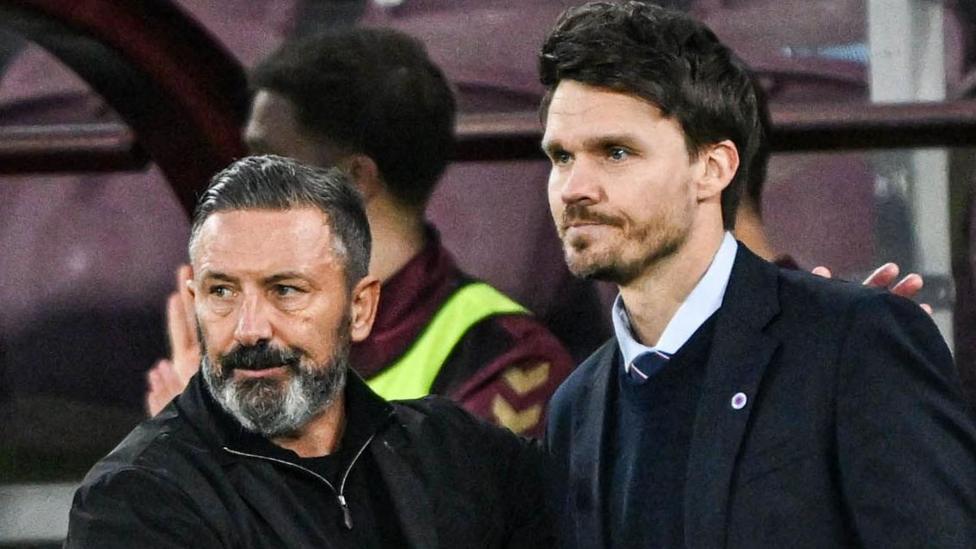
McInnes Replaces Rohl at Rangers: Was It Inevitable?
Derek McInnes replaces Danny Rohl at Ibrox, signalling a stark shift from progressive pressing to pragmatic structural control.
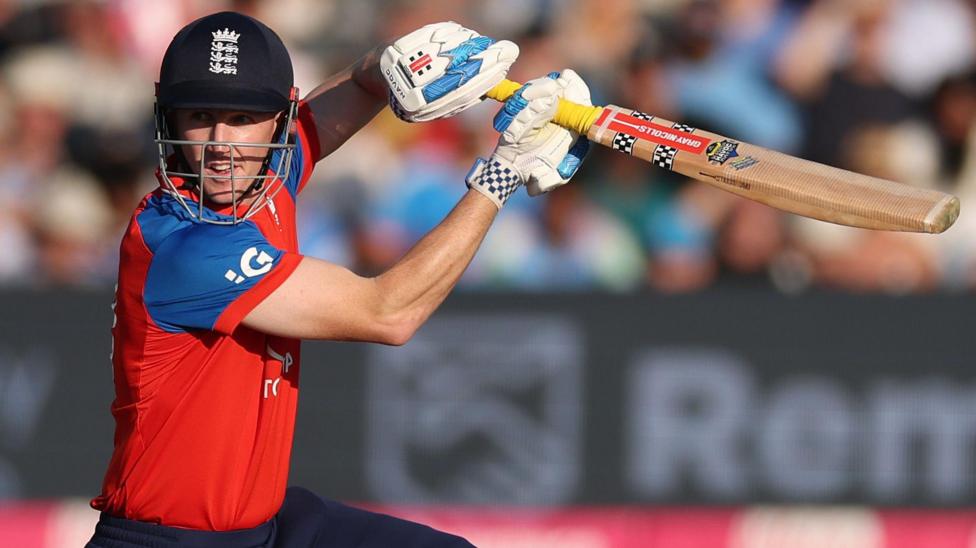
England Shatter T20 Curse as India Plummet to Historic Low
England claim their first-ever T20 series win over India while the visitors suffer a record fifth straight defeat.
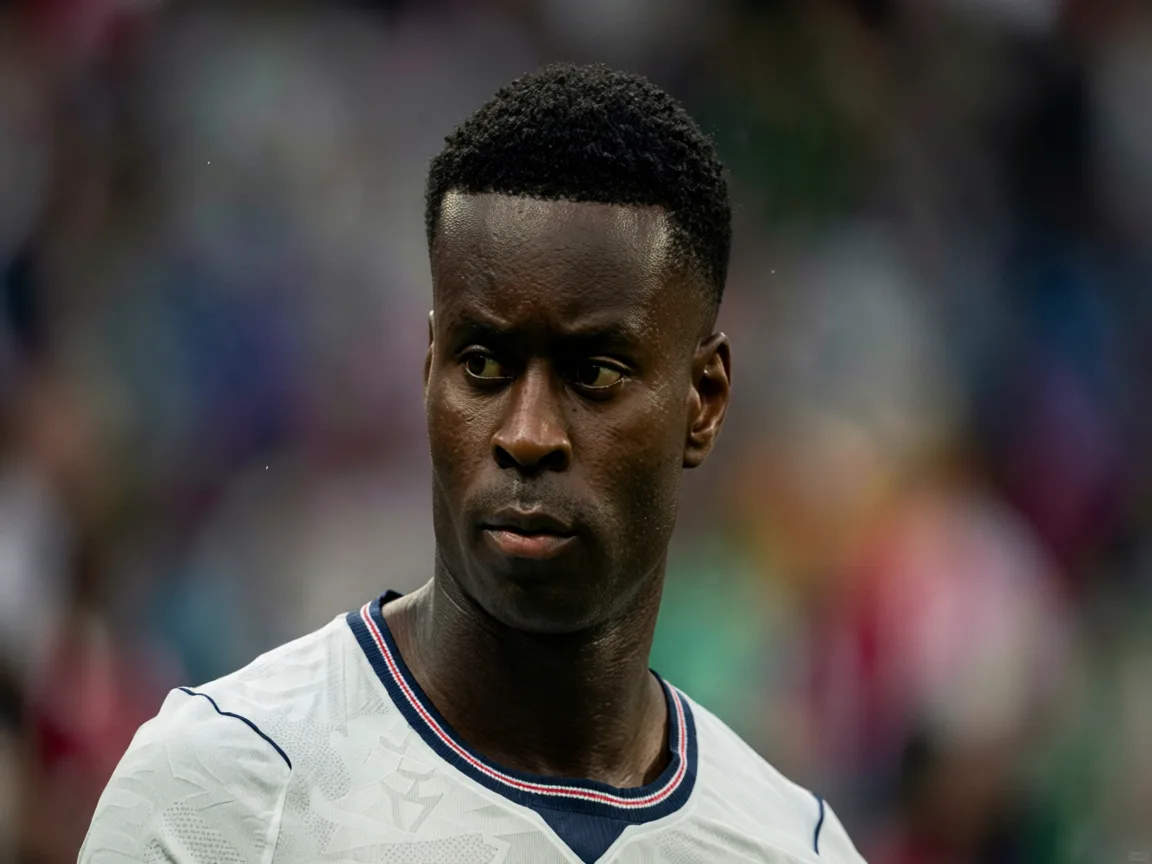
Guehi Hamstring Scare Exposes England's Defensive Skeleton
Guehi's hamstring injury threatens England's defensive structure ahead of the Norway quarter-final, exposing Southgate's tactical fragility.