The Man Who Brought the World Cup to Gaza, Silenced
Mohamed al-Wahidi organized World Cup screenings to give Palestinians an escape. He was killed by a missile before Egypt played Argentina.
The Twilight Strike
Mohamed al-Wahidi died when a missile struck his taxi on Tuesday evening. The quiet Palestinian aid worker was killed shortly before Egypt played Argentina in their World Cup last 16 match.
The timing was not coincidental. It was the cruelest kind of irony, a life dedicated to community joy extinguished minutes before the global game he worked to share with his people could offer them a few hours of escape.
Al-Wahidi was not a politician, a combatant, or a figure of strategic interest. He was an organizer, a facilitator, a man who believed fiercely that the children and families of Gaza deserved the same access to the beautiful game as anyone else in the world.
His death is a jarring, headline capturing reminder that the machinery of war does not pause for sport. It does not respect the sanctuary of a football match, nor does it spare the idealists who try to build bridges to the outside world through it.
The Project That Defined Him In His Community
Behind the stark news of his death lies a story of extraordinary community spirit. Al-Wahidi had spent weeks organizing screenings of World Cup matches across Gaza, transforming damaged buildings and open spaces into communal living rooms.
These were not commercial ventures. They were lifelines of normalcy in a strip of land where normalcy was destroyed long ago. For 90 minutes at a time, children who have known nothing but conflict could lose themselves in the rhythm of the game.
The project required determination that most people cannot fathom. Securing reliable electricity in Gaza is a daily struggle. Finding functioning projection equipment, securing fuel for generators, and rallying neighbors to gather collectively required a level of grit that defines true humanitarian work.
Al-Wahidi understood something profound about football and its reach. He knew it was not merely entertainment. It was a psychological tether to the wider world, a signal to people in isolation that they were still connected to humanity. His work brought the globe to Gaza.
The session on Tuesday was supposed to culminate in the viewing of a marquee matchup. Egypt, led by Mohamed Salah, taking on Lionel Messi and Argentina was a fixture that captivated the entire football world. It was the kind of match al-Wahidi had worked tirelessly to ensure his community could witness.
On the night, the center he helped maintain went silent.
The Collateral Damage of War
The missile that killed al-Wahidi did not discriminate. It struck his taxi in a street, and the blast radius claimed three other lives entirely.
Two brothers aged eight and ten were killed in the strike. A third man, simply present on the street near the site of the attack, also lost his life. The brothers were children, standing in a neighborhood street in the hours before a football match.
The deaths of the two brothers underscore a brutal statistic of modern conflict. In the densely populated streets of Gaza, there is no such thing as a surgical strike devoid of human cost. Every missile that falls extracts a toll measured in futures unexploited.
These were not collateral achievements in a military campaign. They were children. The eight-year-old and the ten-year-old were victims of the kind of escalating violence that has come to define the reality of life in the region. Their deaths, alongside al-Wahidi's, represent the shredding of a community's future.
The atmosphere in the neighborhood in the moments after the strike was one of absolute despair. Residents who had been preparing for an evening of football were instead pulling bodies from rubble.
The psychological impact on the community is measurable. When the people tasked with organizing joy are among those killed on the way, the message received is one of total helplessness. The space for community, for gathering, for shared celebration, shrinks.
When Football Becomes An Act of Defiance
Al-Wahidi's murder elevates the concept of football as something more than a game to a literal life-and-death proposition. In peaceful nations, watching the World Cup is a casual, taken-for-granted ritual. Under bombardment, organizing a screening is a statement of resistance.
To set up a projector in a war zone is to insist upon your own dignity. For families in conflict zones across Gaza, the World Cup offers 90 minutes of forgetfulness. A temporary space of flag-waving, chanting, debate, and joy. It is a reminder that there is a world beyond the rubble.
The Egyptian national team, led by Mohamed Salah, carried the hopes of the Arab world into their clash with Argentina. The resonance of that match in Gaza was particularly deep. It was a chance for Palestinians to lose themselves in a shared regional pride.
That al-Wahidi was killed en route to organizing the community viewing of this match is a particularly devastating blow. He was struck down trying to deliver a piece of that pride.
The Atmosphere of Despair
The atmosphere in the immediate aftermath of the strike was one of complete, shattering grief. There were no tactical discussions about the upcoming match. There were no debates about formations or lineup selections.
Neighbors gathered in the street not to watch football, but to mourn. The air of festive anticipation that had preceded the Egypt match evaporated entirely, replaced by the grim suffocation of another night of loss.
The unique tragedy of a death tied to a World Cup screening event is the narrative of stolen joy. The match between Egypt and Argentina was not the occasion for these deaths. The event was in the background, and the game was being observed because of the violence, not because of football failure.
The Memory of a Visionary
What is lost with al-Wahidi is not just a football fan. It is the memory of a person who provided a vision of normal life through sport in a place where normalcy does not exist.
His loss leaves a void in community leadership that is not easily filled. The telegram of his legacy is a plea for the survival of the spirit of sport in the face of total-devastation conflict.
He will be remembered not for how he died, but for what he built. The screenings will be his monument. The children he entertained his legacy.
What It Means
The death of Mohamed al-Wahidi is a tragedy that reaches far beyond the boundaries of Gaza. It is a direct, brutal testament to the cost of armed conflict on the basic human experience.
For football, it is a jarring reminder of the privilege of peace. While millions watched Egypt vs Argentina in safety, a man who tried to bring that same experience to his community was killed. The beautiful game, so often invoked as a universal language, was rendered silent.
The deaths of the two brothers, 8 and 10, alongside al-Wahidi and another man, are a human tragedy that statistics cannot capture. They were children on a street where a football screening was supposed to happen.
For the community in Gaza, the loss is a deep blow. The conflict has taken a leader, a visionary who found a way to bring light into darkness through the simple act of showing a football match.
The world must remember Mohamed al-Wahidi not as a casualty of war, but as a symbol of what sport can mean. He died trying to bring the World Cup to a place the world has largely forgotten. His death is a reminder that the pursuit of joy, even through something as simple as a football match, is an act of courage.
Editorial Integrity
This is an original SportPulse article written by our editorial team. All content is independently researched, written, and reviewed by our writers and editors before publication. We do not publish copied, aggregated, or syndicated content.
SportPulse is committed to original sports journalism. Read our editorial policy or contact us with any questions.
More Like This
All long-reads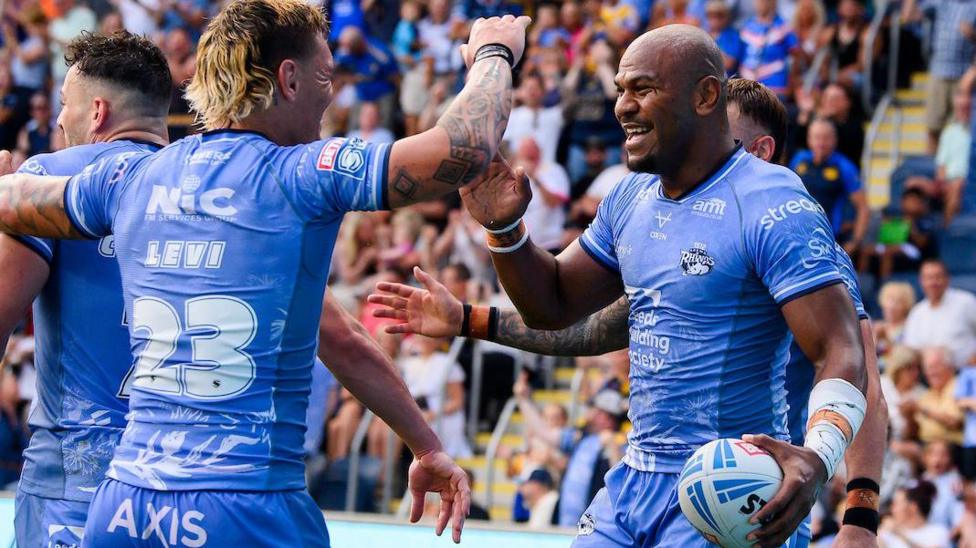
Sivo's Scoring Spree Powers Leeds Past Champions Hull KR
Maika Sivo's brace takes his Super League tally to 27 as Leeds dismantle defending champions Hull KR.
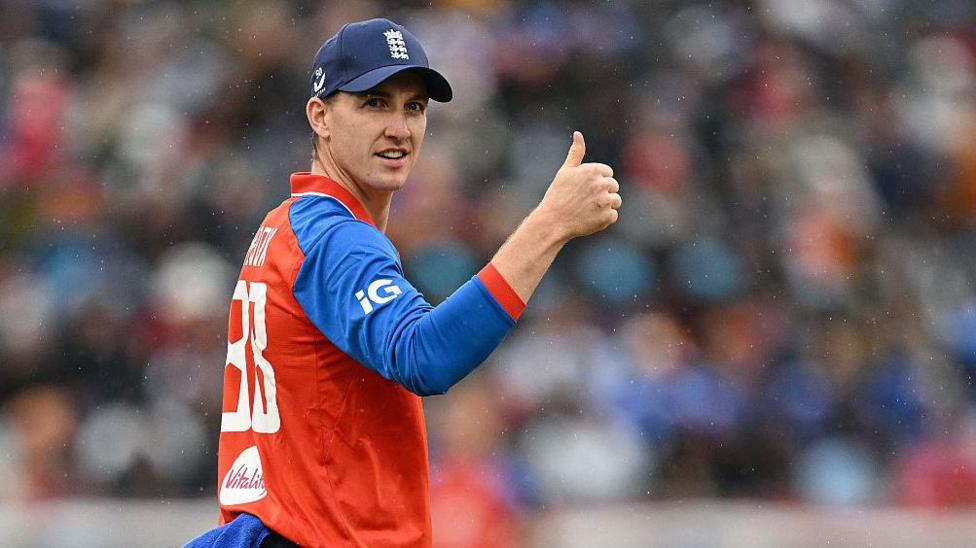
Rain Robs England of Redemption as India T20 Washed Out
England's bid to salvage a troubled summer hits a wall as rain forces the first T20 against India to be abandoned.
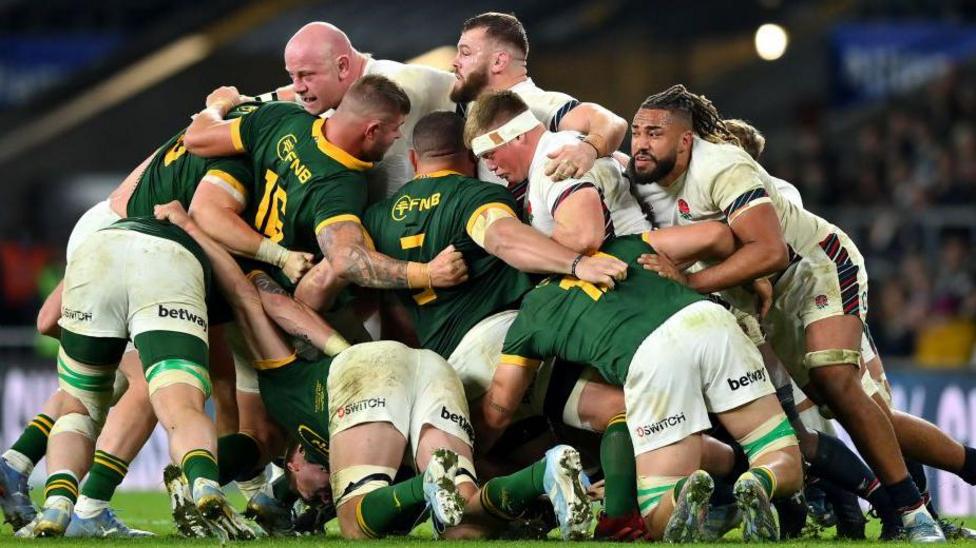
ITV Blinks First: In-Play Ads Shelved for July Rugby Tests
ITV's retreat from in-play advertising during July rugby is a tactical pause, not a permanent shift in broadcasting philosophy.