Ghana's Road Warriors: Driving Across Two Continents for the World Cup
Six Black Stars fans drove across Africa in a convoy, chasing World Cup dreams through deserts, checkpoints, and pure delusion.
Six men. A few battered vehicles. Thousands of miles of unforgiving terrain separating Accra from a global footballing carnival.
This is the story of Ghana's road warriors.
They are the Black Stars supporters who refused to let the Atlantic Ocean, visa bottlenecks, or the sheer logistical absurdity of overland travel deter them. They drove across a continent for the World Cup.
It is a story about fandom stripped to its rawest form. No corporate hospitality. No charter jets. No curated Instagram content from five-star bases in Doha or Moscow.
Just the open road, a relentless belief in the Black Stars, and fuel.
"We don't wait for the perfect moment. We build the shape that creates the moment."
More Than Just a Game
Football in Ghana is not a pastime. It is a primary religion. It holds the unique capacity to bring an entire country to a standstill.
When the Black Stars play, life pauses. Markets empty. Taxi radios crackle with live commentary, treating friendlies like cup finals. Stars like Agogo, Muntari, Essien, and Ayew have enjoyed legendary status.
The nation's footballing history feeds this devotion, punctuated by moments of unadulterated euphoria. Ghana is the first African nation to win a FIFA tournament, claiming the 1991 FIFA U-17 World Cup.
They repeated that youth dominance by winning the 1995 FIFA U-17 World Cup. On the senior stage, Ghana reached the 2010 Africa Cup of Nations final, losing agonizingly in extra time.
But perhaps the defining obsession stems from 2010 in South Africa, when Asamoah Gyan's penalty hit the crossbar against Uruguay. The nation was one penalty kick away from a World Cup semi-final.
That heartbreak did not extinguish the fire. It weaponized the passion.
The Anatomy of Madness
Driving overland to support a sports team is entirely irrational.
That irrationality is exactly the point. What these fans undertook was a grueling test of patience and mechanical sympathy. Outlining the reality of such a journey reveals both its romance and its savagery.
- Mileage: Covering over 4,000 miles requires crossing multiple international borders.
- Terrain: Routes typically involve navigating coastal highways, dense rainforest, and the unforgiving expanse of the Sahel.
- Time: Overland travel means weeks on the road just to reach the host nation.
- Cost: Fuel, border bribes, and emergency repairs drain funds faster than match tickets.
This journey requires crossing West Africa, traversing the Sahel, cutting through the Sahara, and entering North Africa. Sometimes, it involves ferry crossings over the Mediterranean.
Every mile is a gamble. Every border is a bureaucratic minefield.
The Psychology of the Convoy
Why drive thousands of miles when a flight takes hours? Why risk mechanical failure, extreme heat, and the psychological toll of close confinement with friends for weeks?
Because the journey becomes the statement.
In an era where football fandom is increasingly commodified, the overland trip is a rebellion. It is a rejection of sanitized, corporate football. It is tribalism in its most primal, romanticized form.
"We don't wait for the perfect moment. We build the shape that creates the moment."
For these six men, their convoy was more than transport. It was a moving embassy for Ghanaian football culture. Every breakdown became a chance to connect with locals. They honked through remote villages and painted their faces at isolated petrol stations.
They carried the weight of national expectation with them. Every border crossing was a declaration that the Black Stars had arrived.
The Impact of Arriving
When a convoy of African fans arrives at a World Cup via road, it disrupts the western media's typical gaze. It shatters the perception of African fans as passive recipients of European football culture.
These road warriors are active protagonists. They author their own footballing narratives, no matter how lucrative the tournament's backdrop becomes.
The FIFA World Cup generates billions in revenue. Sponsors pour money into campaigns designed to manufacture passion. Yet, nothing manufactured can compete with six friends hemorrhaging funds and sanity to drive across a continent.
- Global broadcast revenue for recent World Cups exceeds $5 billion.
- The commercialization of the tournament has alienated grassroots fans worldwide.
- Ghana's road warriors represent a defiantly anti-corporate approach to fandom.
The Legacy of the Black Stars Caravan
The story of this convoy is not merely anecdotal. It reinforces football's position as the ultimate cultural unifier in Africa. Their journey adds another layer to the continent's rich World Cup history.
Ghanaian fans arrived with an intimate appreciation of the_odds ahead. Defying those odds in person maximizes the joy of each victory and the devastation of every defeat.
This trip preserves the tales of legends like Agogo and Essien in living memory, bridging the gap between past triumphs and present hopes.
The road warriors also serve as a warning to the global game's custodians. Fans are the lifeblood of football. Extend ticket pricing and accommodation costs beyond their reach, and they will find alternative ways to show up.
What the Future Holds
As World Cups expand and travel becomes increasingly expensive, the overland convoy might become an artifact of a bygone, rebellious era. The 2026 World Cup, spanning three nations across North America, will make land travel from Africa impossible.
The magic of this drive lies in its unrepeatable nature. It captures what happens when deep national pride and football obsession collide with sheer human willpower.
The Black Stars will continue to qualify for tournaments. New generations of players will emerge to shoulder the nation's hopes. But the legend of six friends, a few unreliable vehicles, and thousands of miles of dirt road will endure.
They drove. They conquered. They proved that no distance is too far when your heart beats for the Black Stars.
Editorial Integrity
This is an original SportPulse article written by our editorial team. All content is independently researched, written, and reviewed by our writers and editors before publication. We do not publish copied, aggregated, or syndicated content.
SportPulse is committed to original sports journalism. Read our editorial policy or contact us with any questions.
More Like This
All long-reads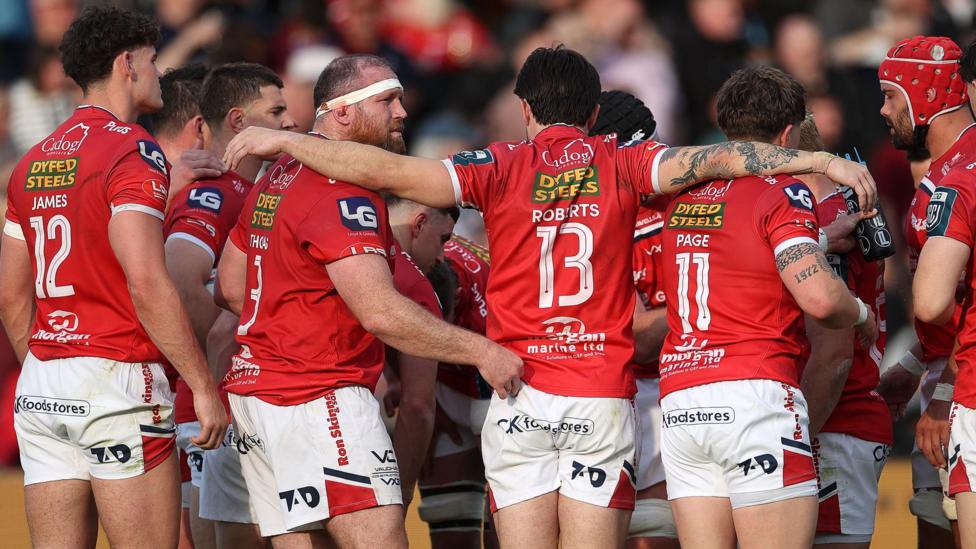
Scarlets Dig In As WRU Three-Team Squeeze Threatens Ospreys
Welsh rugby's professional contraction puts two historic regions on a collision course with their own union.
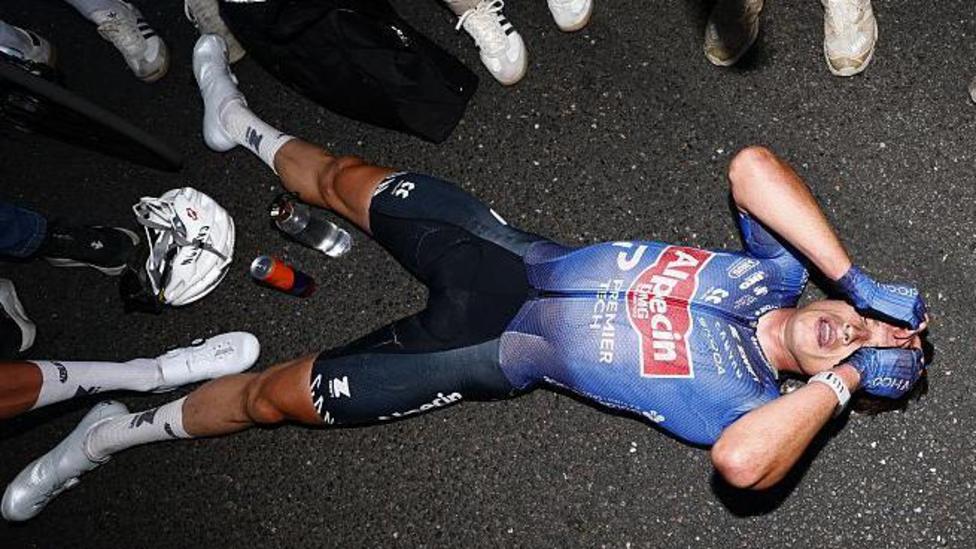
Philipsen Storms Stage 17 as Pure Sprinters Reclaim the Tour
Jasper Philipsen took stage 17 in a bunch sprint, reminding the peloton that raw speed still decides Tour stages.

Hunter Bell Storms to Diamond League Paris 1500m Glory in Season's Best
Georgia Hunter Bell blazed to a season's best 3:55.63 to win the 1500m at Diamond League Paris, announcing herself as a major force.