Island of Defiance: How Haiti's Football Chaos Forged World Cup Order
After 52 years, Haiti returns to the World Cup stage, a fragile nation finding a fleeting, disciplined identity on the pitch.
An Arrival Written in Chaos
Forget the fairytale. Haiti’s return to the men’s World Cup after a 52-year absence isn’t a story of smooth development and steady progress. It’s a miracle forged in the furnace of national trauma. While the footballing world catalogs their Group C clash with England as a potential mismatch, the deeper narrative is one of institutional collapse and athletic defiance. This team didn’t ascend a pathway; they clawed their way out of a vortex of political instability, gang violence, and infrastructural ruin. Their appearance is less a sporting achievement and more an act of cultural resistance.
The last time Haiti played in a World Cup, 1974 in West Germany, they were trounced but memorable, losing 7-0 to Italy but scoring a famous goal against Argentina. The nation that produced that team has since been battered by earthquakes, hurricanes, and chronic governance failures. The football federation itself has been mired in turmoil. Yet, from this chaos, a peculiar kind of order has emerged on the pitch—a direct, athletic, and defensively stubborn style that has become their unlikely passport back to the global stage.
The CONCACAF Crucible: Forging a New Identity
To understand how a nation ranked 87th in the world (as of late 2023) reached the 2026 finals, you must understand the brutal gauntlet of CONCACAF World Cup qualifying. The old hexagonal is gone. In its place is a grueling, multi-stage marathon that punishes inconsistency and rewards resilience—traits Haiti has in surplus. Their path was a masterclass in defensive organization and seizing critical moments.
The core of their success lies in a compact, disciplined 4-4-2 shape, prioritizing defensive solidity above all else. In the final round of qualifying, Haiti conceded just three goals in six matches. They didn’t dominate possession; they strangled it. Their pass completion rate hovered around a modest 76%, but their counter-attacking thrust was lethal. Key to this was the performance of goalkeeper Johny Placide, whose experience in France’s Ligue 1 provided a calming, commanding presence, and the athleticism of fullbacks like Carlens Arcus, whose overlapping runs provided their primary offensive outlet.
"We have no time to entertain. Every match is a war for us. Our fans understand this. They don't want beautiful losses; they want ugly victories." — A sentiment echoed by Haiti’s technical staff, reflecting the squad’s hardened pragmatism.
Beyond the Badge: A Diaspora-Fueled Squad
The modern Haitian national team is a map of its diaspora. Of the players likely to feature at the World Cup, the vast majority ply their trade in Europe’s second tiers—not in the glamour of the Premier League or La Liga, but in the rugged leagues of Belgium, Switzerland, Greece, and Cyprus. This isn’t a squad of academy graduates from a thriving domestic league; it’s a networked collection of dual-national talents and journeymen who have answered a call to something bigger than their club careers.
Take striker Duckens Nazon. The 30-year-old has had a nomadic career spanning 12 different clubs across France, England, Scotland, and Belgium. He is not a global superstar, but he is a proven goal-scorer at the level they need, with 14 international goals. Similarly, midfielder Bryan Alceus, who plays in Cyprus, is the engine room’s heartbeat, covering endless ground. This scattering of talent, honed in competitive environments, has inadvertently created a squad with a high floor of professionalism and tactical literacy. They understand shape, pressing triggers, and defensive responsibilities—non-negotiables for a team with their limited resources.
The Financial Gulf and the Tactical Counter
Let’s be blunt: the financial disparity in Group C is staggering. The English FA’s annual revenue dwarfs Haiti’s entire GDP. While England prepares with multi-million dollar training camps and a support staff numbering in the dozens, Haiti’s preparations are a logistical puzzle solved through federation grit and player self-funding. This isn’t a complaint; it’s the defining context of their tactical approach.
Coach Jean-Jacques Pierre, a former Haiti international with over 60 caps, has leaned into this reality. His system is not designed to win a possession battle against the world’s elite. It is designed to keep the scoreline respectable for 70 minutes and then, maybe, strike on the break or from a set-piece. The expected goals (xG) numbers from their qualifying campaign were never pretty, often dipping below 0.8 per game, but their defensive xG against was equally stifling. They create chaos through structure, a paradox that will be tested to its absolute limit.
What "Success" Looks Like in 2026
For Haiti, progress is not measured by advancing from the group stage. That would require a near-miraculous confluence of results. Success is measured in moments. It’s about the first goal they score, a moment that will erupt across the Caribbean. It’s about the defensive performance they string together for 45, 60, even 80 minutes against a superpower, a testament to their training and spirit.
The real legacy, however, will be institutional. A World Cup appearance unlocks FIFA’s substantial financial solidarity payments. For Haiti, this is not a windfall; it is a lifeline. This money, if managed transparently—a monumental “if” given the federation’s history—could fund youth academies, infrastructure, and coaching programs. It could build the first, fragile stones of a sustainable footballing future, ensuring this isn’t another 52-year wait.
The Bottom Line
Haiti’s World Cup return is a brutal, beautiful contradiction. It is a team built on the ruins of a nation, whose success stems from embracing limitations rather than lamenting them. They will not play with the flair of Brazil or the precision of Germany. They will play with the heart of a country that has known little but struggle and the mind of a coach who has turned necessity into a weapon. Their tournament will likely be brief, but its echoes will resonate far beyond the final whistle. This isn’t just about football. It’s about what a ball and 22 players can represent when everything else feels lost: a rare, focused, collective hope.
Editorial Integrity
This is an original SportPulse article written by our editorial team. All content is independently researched, written, and reviewed by our writers and editors before publication. We do not publish copied, aggregated, or syndicated content.
SportPulse is committed to original sports journalism. Read our editorial policy or contact us with any questions.
More Like This
All football
McGlynn's Falkirk Revolution Meets World Cup Realities
John McGlynn's championship-winning Falkirk project collides with Scottish football's World Cup identity crisis.
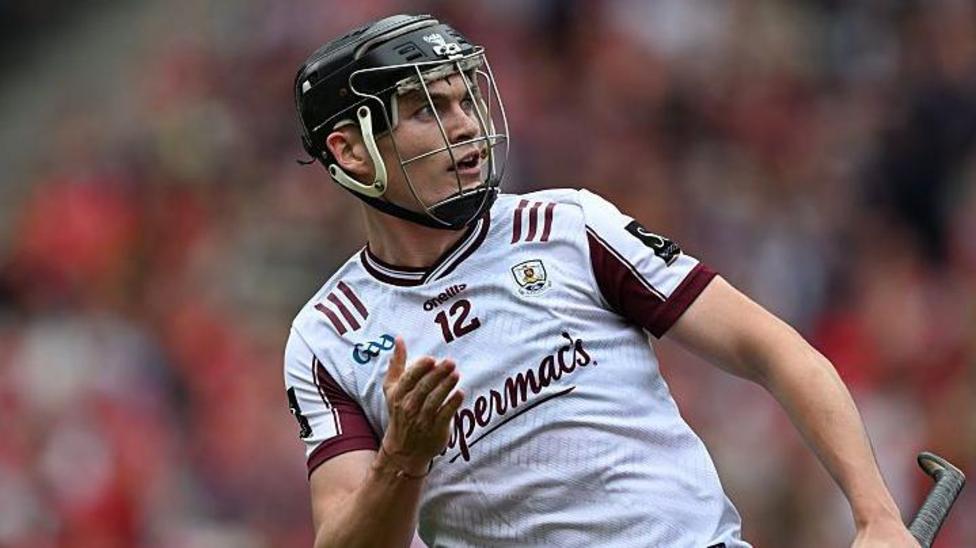
Galway Demolish Cork to Reach All-Ireland Hurling Final
Galway crushed Cork 2-26 to 1-18 at Croke Park, ending a six-year wait to return to the All-Ireland hurling final.
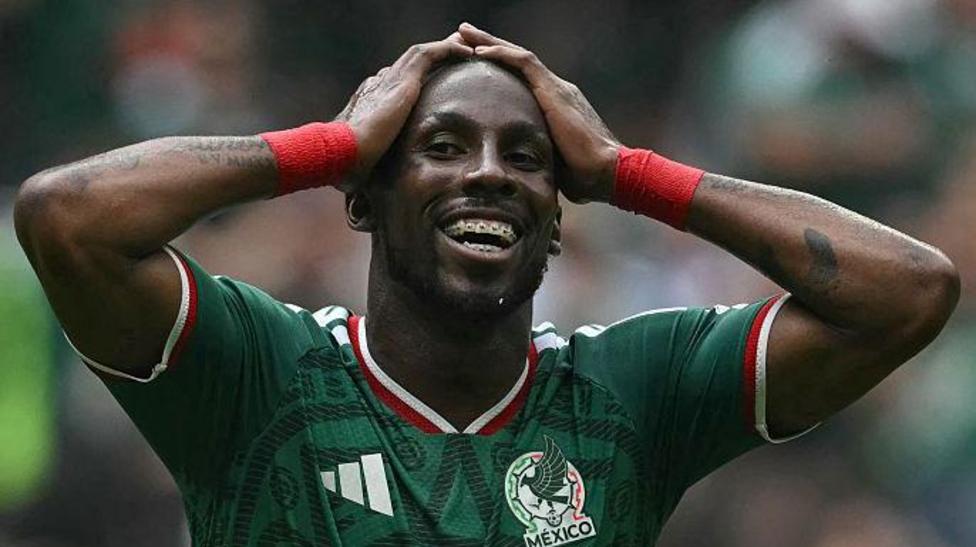
From Colombia to El Tri: The Unorthodox Rise of Julian Quinones
Born in Colombia, reborn in Mexico — Julian Quinones' winding road could spell trouble for England on Monday.