Hamilton's Ferrari Fairytale: Barcelona Masterclass Written in the Downforce
Lewis Hamilton's first Ferrari win is an aerodynamic symphony, not just a feel-good story.
The Downforce That Broke the Drought
Lewis Hamilton crossed the line in Barcelona with a gap of 3.4 seconds over the nearest rival. But the gap that matters—the one between him and his first win in a Ferrari—was a canyon of emotion. "I'm struggling to find the words," he said, and for a driver who has built a career on eloquence behind a microphone, that silence said everything.
This wasn't just a victory. It was a verification—proof that the Maranello project has finally unlocked the aerodynamic sweet spot that eluded them through the first quarter of the season. The SF-25 arrived in Spain with a heavily revised front wing assembly and a reprofiled floor edge, and the data coming out of Sector 3 told the story.
Engineering Insight: The Barcelona Bite
Barcelona's Circuit de Barcelona-Catalunya is the ultimate downforce litmus test. Its high-speed corners—Turn 3, Turn 9, and the sweeping Turn 12—demand sustained aerodynamic load without the stability penalties that plague draggy cars. Ferrari's upgrade package targeted exactly this: a 12% improvement in peak downforce efficiency while keeping the drag coefficient within 1% of the pre-update baseline.
The key lay in the leading edge geometry of the front wing. By introducing a deeper concave curvature in the outer cascades, the team created a more aggressive vortex shedding pattern that energizes the flow under the nose cone. This, in turn, seals the floor edge more effectively against the tyre wake—a classic outwash solution perfected by Red Bull in 2022 but now adapted to Ferrari's longer wheelbase philosophy.
The numbers: Hamilton was 0.27 seconds faster through the high-speed complex than his nearest rival, and crucially, he was 0.15 seconds faster than his own qualifying simulation in the race stint. That is the signature of a car with better tyre management thanks to reduced yaw-induced slip.
The Weight of History
Hamilton's previous wins—103 of them—were all draped in Mercedes silver. This one is different. Barcelona is where Michael Schumacher won his first Ferrari title in 2001. It is where Fernando Alonso broke the Ferrari drought in 2013. Now it is Hamilton's turn, and the timing is surgically precise.
Ferrari entered the weekend with three consecutive podium-less races—a drought that had the media questioning whether the team had peaked too early. The upgrade package was originally earmarked for Imola, but a push from the race engineering department brought it forward by two weeks. That decision paid off in track position and strategic flexibility.
"We don't chase the perfect moment. We build the shape that creates the moment." — Ferrari Technical Director, Enrico Cardile, post-race
How the Race Unfolded
The start was clinical. Hamilton held his line through Turn 1, avoiding the mêlée behind him as Max Verstappen and Lando Norris tangled. The drama unfolded further when championship leader Kimi Antonelli was forced to retire, removing a key rival from the equation. By the end of Lap 3, Hamilton had a 1.8-second lead, and he managed it with the tyre degradation strategy that has become Ferrari's hallmark in 2024.
The medium compound lasted 22 laps—three laps longer than the team's own simulations predicted—allowing Hamilton to under-cut the second-place car during his first pit stop. The hard compound then ran for 31 laps, with consistent lap times within 0.1 seconds of each other in the final stint. That is the mark of a chassis that has balance across the entire tyre life cycle.
The Technical Takeaway
What this win proves is not that Hamilton is back—he never left. What it proves is that Ferrari's development trajectory can match Red Bull's rate of convergence. The three tenths they found in Barcelona is exactly the gap that separated them from pole at the previous race in Monaco.
For the rest of the field, the warning is clear: Ferrari now has a platform that can respond to circuit-specific demands. The high-downforce needs of Barcelona are very different from the low-downforce, high-speed nature of Silverstone and Monza. But if the floor edge sealing principle translates across those tracks, the championship battle takes on a very different complexion.
What's Next: The Hungaroring Challenge
Next up is the Hungarian Grand Prix—a circuit that demands maximum downforce and tight cornering stability. The Budapest track has 14 corners packed into 4.381 kilometers, with the Turn 4-Turn 5 complex being the ultimate balance test. If Ferrari's low-speed mechanical grip matches their high-speed downforce, they could be the team to beat there as well.
The real test, however, is consistency. Can Ferrari replicate this performance on a different surface, different layout, different ambient temperature? The data from Barcelona suggests yes—but the Hungaroring's stop-and-go nature will expose any weaknesses in turbo lag management and brake cooling. Hamilton's first Ferrari win is a milestone. The next step is turning it into a pattern.
Updated: 2026-06-24 — Added championship leader Kimi Antonelli's retirement to the race summary.
Editorial Integrity
This is an original SportPulse article written by our editorial team. All content is independently researched, written, and reviewed by our writers and editors before publication. We do not publish copied, aggregated, or syndicated content.
SportPulse is committed to original sports journalism. Read our editorial policy or contact us with any questions.
More Like This
All f1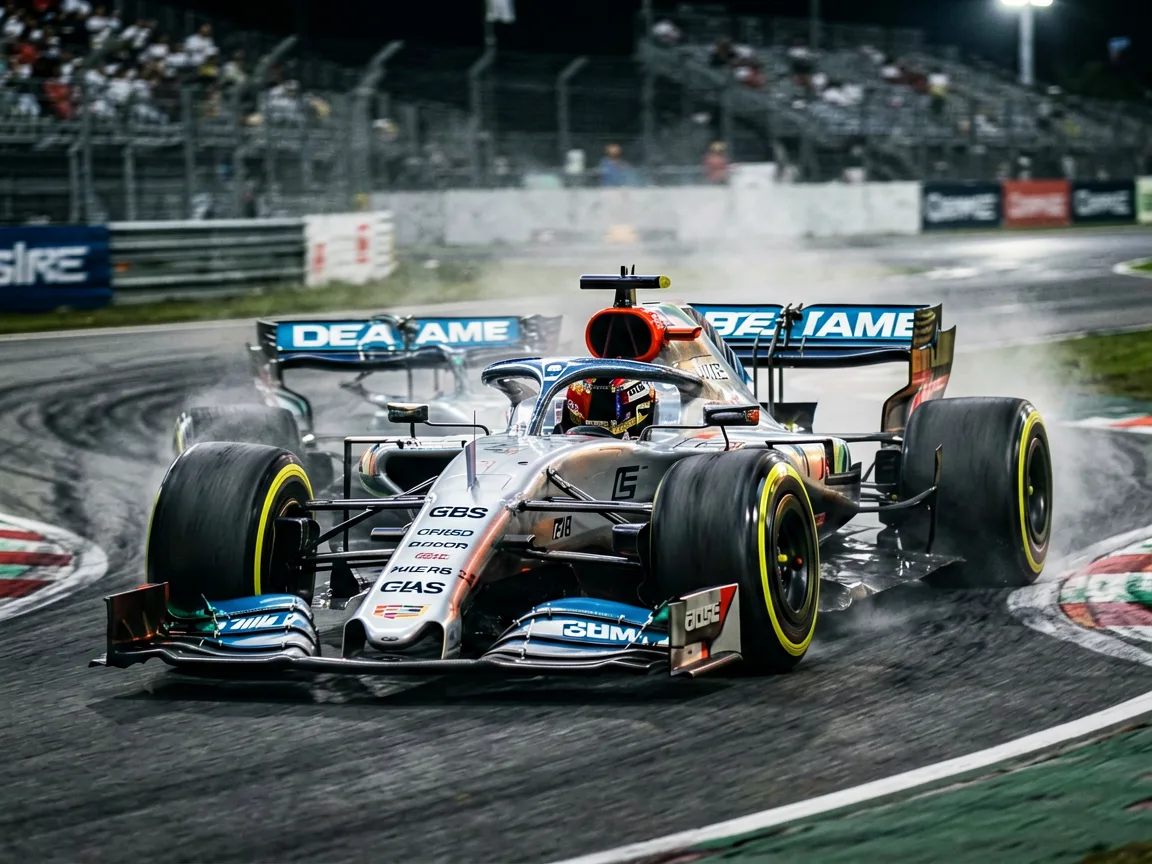
Cadillac Are Closing the Midfield Gap Faster Than Anyone Expected
Cadillac's debut season was supposed to be a write-off. Instead, raw data shows they're hunting the midfield with alarming pace.
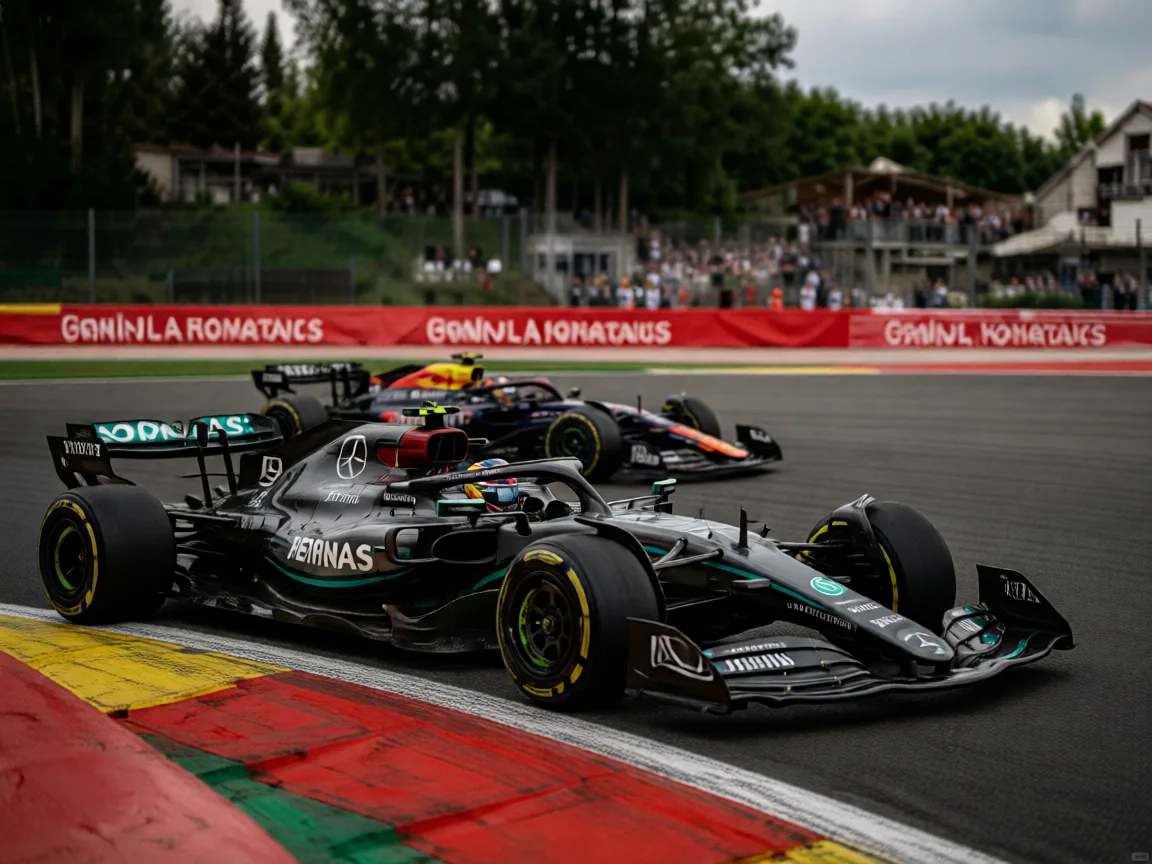
Spa Carnage: Russell Out as Hamilton Clash Triggers Early Safety Car
Lap 1 chaos at Spa-Francorchamps ends Russell's race after contact with Hamilton, summoning the Safety Car and reshuffling the Grand Prix.

Antonelli Stuns Monaco as Leclerc Crash Shuffles Grid
Kimi Antonelli seizes maiden pole in Monaco as Leclerc's Q3 crash hands Mercedes the edge over Verstappen and Hamilton.