Patten Conquers Centre Court Again: The Unlikely British Doubles King
Henry Patten captures his second Wimbledon men's doubles crown with Harri Heliovaara, cementing a partnership built on nerve and tactical genius.
The Quiet Conqueror
Henry Patten does not carry the swagger of a traditional Centre Court champion. There are no bulging biceps, no roaring celebrations that echo into the Wimbledon rafters. He is a whisper in a sport that rewards shouts. Yet, when the final ball lands and the All England Club confetti settles, it is the unassuming Briton who holds the trophy.
In a men's doubles final that felt less like a tennis match and more like a psychological chess grand prix, Patten and his Finnish partner Harri Heliovaara tightened the garrote until their opponents had no oxygen left. The scoreboard read 7-6 (7-4), 7-6 (7-3) against Marcelo Arevalo and Mate Pavic. The scoreline itself is a clinic in controlled aggression.
Patten claimed his second Wimbledon men's doubles title, transforming from a fascinating domestic story into a global force in the discipline. He did not just defeat Arevalo and Pavic. He systematically stripped them of their offensive identity over two unbearably tense hours.
A Masterclass in Marginal Gains
You do not beat a team of Arevalo and Pavic's caliber by overpowering them. You beat them by out-thinking them in the pressure-cooker moments where reflexes fail and instinct takes the wheel. This is where the Patten and Heliovaara partnership truly separates itself from the rest of the tour.
They did not face a single break point in the entire championship match. That statistic is the ultimate indictment of their serving clutch and returning geometry. When you deny players of this caliber even a glimpse of a break opportunity, you break their spirit long before you break their serve.
The opening set was a brutal serving exhibition from both sides, inevitably hurtling toward a tiebreak. In that sudden-death sprint, Patten and Heliovaara elevated their return positioning. They targeted Pavic's second serve with ruthless precision. They captured the mini-break at the most crucial juncture and closed out the set with the calm of a team that intimately trusts their baseline patterns.
The Tiebreak Specialists
The second set followed a hauntingly similar script. Arevalo and Pavic, both owning multiple Grand Slam doubles titles of their own, threw everything they had at the Anglo-Finnish wall, but Patten's net coverage suffocated passing shot angles that were actually open.
- Final score: 7-6 (7-4), 7-6 (7-3)
- Second Wimbledon men's doubles title for Patten
- Zero break points faced in the championship match
- Two consecutive tiebreaks won with decisive mini-breaks
This reveals an emerging specialty. The duo are becoming tiebreak assassins. When margins shrink to mere millimeters, they grow expansive. The 7-3 conclusion to the second-set tiebreak was not luck or a sudden collapse from Arevalo and Pavic. It was the inevitable result of a sustained tactical assault. Heliovaara's anticipation from the deuce court consistently put Pavic in uncomfortable defensive positions, surrendering the initiative before the point ever truly began.
"We don't rely on overwhelming power. We rely on understanding the geometry of the court, reading the opponent's body language, and trusting that our system works under the heaviest fire."
The Relentless Grind Behind the Rise
Patten's journey to this summit is not your standard blue-chip tennis blueprint. The British doubles landscape has historically been dominated by the cult hero status of Joe Salisbury and Neal Skupski, both Grand Slam winners in their own right. Patten crashing through that ceiling is a testament to the relentless, unsexy grind of the doubles circuit.
He is a player who has had to learn his trade in the professional trenches. He built his game on the fringes of the main tour before honing his skills in the rarefied air of the Challenger circuit. His partnership with Heliovaara was not a forced marriage orchestrated by a powerful agency. It was a calculated alignment of complementary skills.
Patten possesses the soft hands at the net and the lefty spin patterns. Heliovaara contributes the massive serve and the explosive baseline redirects. Together, they form a synergy that is mathematically greater than the sum of its parts.
Career by Numbers
To truly understand Patten's trajectory, you must examine the digits that define his rapid ascent.
- 2 Wimbledon men's doubles titles
- 0 break points faced in the 2024 final
- 7-4 and 7-3 tiebreak scores in the championship match
- 0 seeded placings required to disrupt the established hierarchy
These numbers tell the story of a player thriving in the margins where the best doubles matches are won and lost.
Contextualizing the Opponents
Losing a Wimbledon final is a specific type of agony, but the manner of this defeat is what will haunt Arevalo and Pavic. They are a decorated duo. Arevalo is a Grand Slam champion and a doubles legend from El Salvador. Pavic is a Croat with an Olympic gold medal and a former world number one ranking. They entered the tournament with the expectation of dominating the grass.
Instead, they were rendered completely toothless. They did not play poorly; they were simply denied the oxygen needed to ignite their power game. Patten and Heliovaara effectively pitch a tactical shutout against one of the most efficient teams on the ATP Tour.
This victory sends a seismic warning to the rest of the men's doubles field. The established pecking order at the summit of the doubles game is no longer safe.
The Legacy of a British Doubles Phenomenon
Britain has a rich, specialized history in men's doubles, stretching from the serve-and-volley artistry of Jonathan Marray's improbable 2012 run to the sustained excellence of the Salisbury era. Patten is now carving his own distinct chapter into that granite pillar.
Winning one Wimbledon title can be branded a fairytale. Winning two establishes a legitimate legacy. It demands total respect from peers and pundits alike. It demands that opponents prepare for a grueling test of nerve. Patten has proven that his level on grass is no fluke of momentum. It is a repeatable masterclass in pressure management.
The All England Club's lawns suit his tactical brain perfectly. The low, skidding bounces favor his aggressive court positioning and his reflex volleys. He moves on the grass with a slipperiness that more traditional baseliners struggle to replicate.
As Patten lifts the trophy for a second time, he is no longer the underdog quietly thriving in the shadows. He is the standard. He is the player everyone else must figure out. The beautiful, terrifying irony of his position is that by the time opponents realize the trap has been sprung, the tiebreak is already over.
The quiet conqueror has built an empire on Centre Court. The most compelling chapters of his reign may still be unwritten. With Heliovaara by his side, this partnership possesses the chemistry to dominate the discipline for years to come.
Editorial Integrity
This is an original SportPulse article written by our editorial team. All content is independently researched, written, and reviewed by our writers and editors before publication. We do not publish copied, aggregated, or syndicated content.
SportPulse is committed to original sports journalism. Read our editorial policy or contact us with any questions.
More Like This
All tennis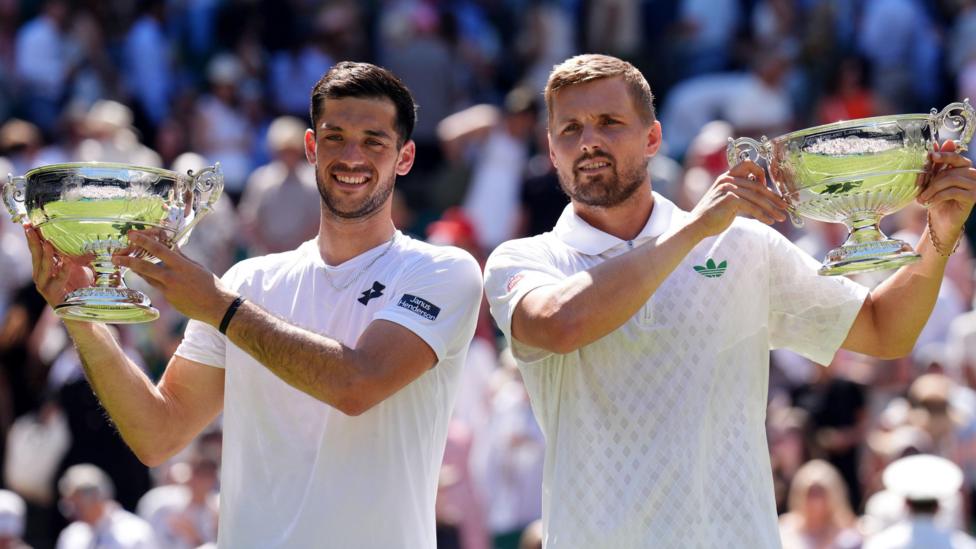
The Last Set: Doubles Players Fight ATP for Their Livelihood
Doubles players warn the ATP's proposed cutbacks could kill the discipline as a viable career path.
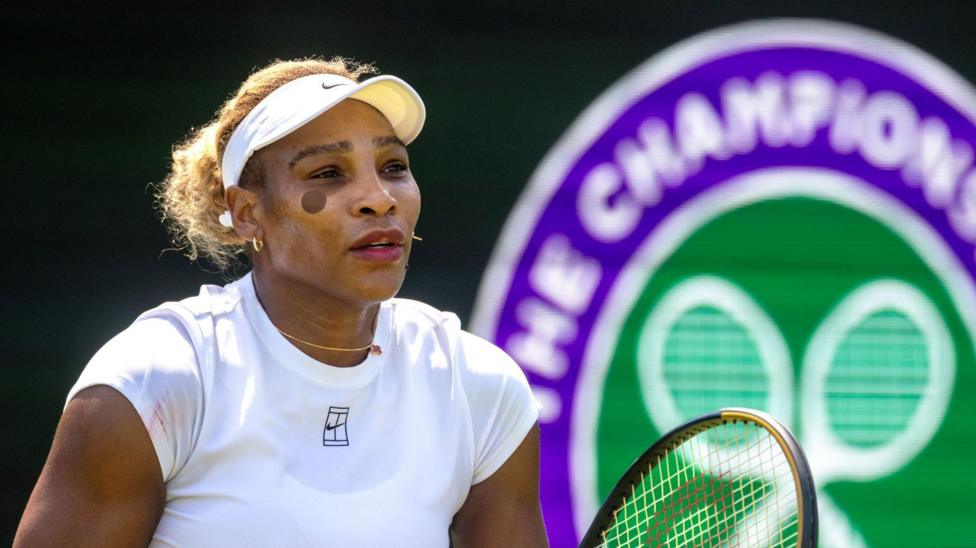
Serena Williams: Anti-Doping Protocols Nearly Killed My Comeback
The 23-time Grand Slam champion reveals gruelling drug-testing demands almost ended her return before it began.

Decoding the Silent Language of Wimbledon Doubles
Behind every serve at Wimbledon lies a covert conversation of fingers and gestures dictating the chess match of doubles.