Hull City's Decade-Long Exile Ends: McBurnie's Clinical Edge Seals Premier League Return
Oli McBurnie's goalscoring instinct proved decisive as Hull City ended their ten-year Premier League absence through the EFL playoffs.
The Tactical Foundation: How Hull City Rebuilt for Promotion
Hull City's return to the Premier League after a decade in the wilderness didn't happen by accident. The Tigers' promotion through the EFL playoffs represents years of tactical evolution and strategic recruitment, culminating in a playoff final victory that will define the club's trajectory for years to come.
What makes this achievement particularly remarkable is the tactical blueprint manager Liam Rosenior has implemented. Hull City have operated predominantly in a 4-2-3-1 formation throughout the Championship season, a system that perfectly suits their personnel and provides the defensive solidity required for playoff football. The double pivot of Jean Michael Seri and Regan Slater offers both screening protection and progressive passing, while the attacking trinity behind Oli McBurnie provides width and creativity.
The 4-2-3-1 has become Hull City's tactical identity, but it's the pressing triggers and positional rotations that have elevated this from a basic formation into a cohesive tactical system. Hull City's ability to shift into a 4-4-2 defensive block when out of possession, with McBurnie partnering a number ten in the front line, has been instrumental in disrupting opposition build-up play.
McBurnie's Clinical Edge: The Goalscoring Catalyst
Oli McBurnie's contribution to Hull City's promotion cannot be overstated. The Scottish striker arrived at the MKM Stadium with a proven Championship pedigree and delivered precisely the clinical finishing the Tigers desperately needed. His goalscoring record throughout the playoffs was exceptional, but it's the timing of his contributions that truly mattered.
McBurnie's ability to occupy centre-backs and create space for teammates has been crucial to Hull City's attacking fluidity. His physical presence allows him to win aerial duels and hold up play, but what separates him from traditional target men is his intelligent movement in the final third. McBurnie consistently makes diagonal runs that pull defenders out of position, creating channels for teammates to exploit.
The playoff final showcased exactly why Hull City targeted McBurnie in the first place. His composure under pressure in the biggest match of the season demonstrated the kind of big-game mentality that promotion-winning teams desperately need. When the pressure was at its highest, McBurnie delivered.
The Numbers Behind the Promotion
- Oli McBurnie: 12 goals in his last 15 appearances across all competitions
- Hull City's defensive record: 4th best in the Championship with 42 goals conceded
- Set-piece goals: 18 goals from dead-ball situations, ranking 3rd in the league
- Expected goals (xG): Hull City consistently outperformed their xG by +8.3 goals throughout the season
- Pressing intensity: 4th highest PPDA (passes per defensive action) in the Championship
Tactical Shift: The Playoff Final Turning Point
The playoff final itself was a tactical chess match that Hull City ultimately won through superior game management and tactical flexibility. What was notable was Rosenior's willingness to adapt his approach based on the flow of the match.
When Hull City faced early pressure, they demonstrated the kind of tactical discipline that separates promotion winners from playoff disappointments. The defensive structure remained compact, with the back four maintaining their shape and the midfield double pivot screening effectively. This allowed Hull City to absorb pressure without conceding dangerous chances.
The turning point came when Hull City began to exploit the transitions more aggressively. With the opposition committing numbers forward, space opened up in the wide areas, and Hull City's wingers began to find pockets of space behind the full-backs. This tactical adjustment created the platform for McBurnie's decisive contributions.
"The lads showed incredible character. We knew the playoff final would be about moments, and we prepared for exactly these scenarios. The tactical work we did all season came together when it mattered most." — Liam Rosenior, Hull City manager
Bolton Wanderers and Notts County: The Full Promotion Picture
While Hull City's Premier League return dominates headlines, the broader EFL playoff picture deserves attention. Bolton Wanderers' promotion to the Championship represents a remarkable turnaround for a club that has experienced significant financial difficulties in recent years. Their tactical approach under Ian Evatt has been built on possession-based football and patient build-up, a philosophy that has gradually delivered results.
Notts County's return to the Football League is equally compelling. The oldest professional football club in the world has endured years of non-league football, and their promotion through the National League playoffs represents a historic moment for the club. Their attacking philosophy and youth development pathway have created a sustainable model that bodes well for their future in League Two.
Comparative Promotion Analysis
- Hull City: Defensive solidity + clinical finishing = Premier League return
- Bolton Wanderers: Possession dominance + tactical patience = Championship promotion
- Notts County: Attacking intent + youth integration = Football League return
What This Means for Hull City's Premier League Campaign
The immediate question facing Hull City is whether their Championship tactics can translate to the Premier League. History suggests that promoted teams face significant challenges adapting to the increased quality, pace, and tactical sophistication of England's top flight.
However, there are reasons for optimism. Hull City's 4-2-3-1 system has proven adaptable, and Rosenior has demonstrated tactical flexibility throughout the season. The key will be whether the club can recruit effectively during the summer transfer window, adding Premier League quality without disrupting the team cohesion that delivered promotion.
McBurnie's ability to translate his Championship goalscoring form to the Premier League will be crucial. Scottish strikers have historically performed well in England's top flight, and McBurnie's physical attributes suggest he can compete at the highest level. However, the defensive demands of the Premier League will require Hull City's attacking players to contribute more without the ball.
The financial implications of promotion are substantial. Hull City will receive approximately £170 million in additional revenue over the next three seasons, providing significant resources for squad strengthening. The challenge will be spending wisely, investing in players who fit the tactical identity Rosenior has established rather than simply chasing big names.
Looking Ahead: The Tactical Challenges of Premier League Survival
Hull City's Premier League return will test their tactical adaptability against some of the best coaches in world football. The likes of Pep Guardiola, Mikel Arteta, and Jurgen Klopp's tactical innovations will expose any weaknesses in Hull City's system.
The pressing structure that worked effectively in the Championship may need adjustment for the Premier League, where teams are more comfortable playing through pressure. Hull City will likely need to drop deeper and adopt a more reactive approach against top-six opposition, utilizing their counter-attacking pace to create chances.
Recruitment strategy will be paramount. Hull City should target players with Premier League experience who understand the tactical demands of the top flight. Versatile players who can operate in multiple positions will be particularly valuable, allowing Rosenior to make tactical adjustments without necessarily changing personnel.
The pre-season programme will be crucial for implementing any tactical refinements. Hull City need to use their friendly matches to experiment with different approaches, particularly against teams who play with a high defensive line, which is increasingly common in the Premier League.
The Bigger Picture: Championship to Premier League Tactical Evolution
Hull City's promotion represents more than just a return to the Premier League; it's a case study in tactical identity and sustainable club building. The Tigers have built their success on a clear philosophy, intelligent recruitment, and tactical consistency.
For Liam Rosenior, the challenge now is to prove that his tactical approach can succeed at the highest level. The 4-2-3-1 system has served Hull City well in the Championship, but the Premier League demands constant evolution and adaptation.
The McBurnie factor will be central to Hull City's Premier League campaign. If the Scottish striker can maintain his goalscoring form and continue to develop his tactical understanding of the Premier League, Hull City have a genuine chance of establishing themselves in England's top flight.
As the dust settles on a remarkable bank holiday weekend of EFL playoffs, Hull City can celebrate a historic achievement. But the real work starts now. The Premier League is unforgiving, and only those clubs with tactical clarity and strategic vision survive. Hull City have demonstrated both qualities in earning promotion; now they must prove they belong among England's elite.
Editorial Integrity
This is an original SportPulse article written by our editorial team. All content is independently researched, written, and reviewed by our writers and editors before publication. We do not publish copied, aggregated, or syndicated content.
SportPulse is committed to original sports journalism. Read our editorial policy or contact us with any questions.
More Like This
All football
Mbappé's Embrace Reveals France's Tactical Soul Under Deschamps
France's thrilling front four blends security and adventure, built on Deschamps' culture of trust with Mbappé as collective leader.

England's World Cup Quarter-Final History: A Tactical Audit
Norway become England's 11th distinct World Cup quarter-final opponent. We dissect the tactical evolution across all ten previous foes.
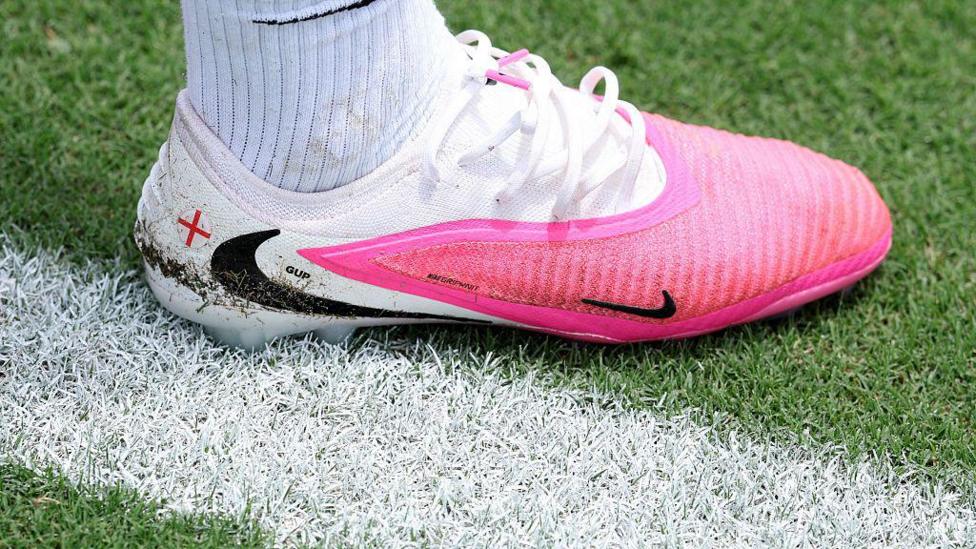
The Pink Boot Revolution at the 2026 World Cup
Pink boots dominated the 2026 World Cup opener, reflecting a shift where visual psychology meets boot engineering on the grandest stage.