The $250M Pause: Why Hydration Break Ads Are Football's Next Battleground
Hydration breaks sparked fury in the Premier League, but a quarter-billion-dollar revenue stream won't disappear quietly.
The Break That Broke the Internet
It took 90 seconds of on-screen advertising during a hydration break to turn the Premier League into a battlefield between broadcasters, club executives, and furious match-going fans. The reaction was instant, visceral, and overwhelmingly negative. Social media erupted. Pundits recoiled. Supporters' trusts issued statements within hours.
Yet behind the outrage lies a number that makes the industry pause: an estimated $250 million in potential annual global revenue from mid-match advertising slots tied to official cooling breaks. That figure, cited across multiple industry analyses, represents a commercial goldmine that broadcasters and rights holders have no intention of walking away from quietly.
The Premier League's brief experiment with hydration break advertising drew such intense backlash that it was swiftly shelved. But shelved is not the same as buried. Across world football, the infrastructure for these ads already exists, and in several countries, it operates without controversy.
How It Works Everywhere Else
Hydration breaks are not new. FIFA mandated them at the 2014 World Cup in Brazil due to extreme heat concerns. What changed is who profits from the pause.
In Saudi Arabia's Roshn Saudi League, hydration break sponsorships have been a fixture for several seasons. The breaks carry dedicated branding, and broadcasters sell separate ad inventory during the stoppage. Fans in the stadium barely register the commercial overlay because it targets the television audience, not the live crowd.
Turkey's Süper Lig operates a similar model. During official cooling breaks, screens display sponsor logos, and commentators pivot to scripted ad reads. The revenue flows directly into the league's central broadcasting pool, supplementing domestic TV deals that already dwarf most European second-tier competitions.
Major League Soccer in the United States has long embraced the American sports model of commercial interruption. Hydration breaks are sold as sponsorship inventory, categorized alongside corner kick graphics and substitution overlays. Nobody bats an eye. The cultural expectation is fundamentally different.
La Liga and Serie A have both explored monetizing stoppages, though neither has implemented a blanket advertising package as aggressively as the Premier League attempted. In Brazil, where heat-related breaks are frequently necessary, broadcasters treat them as premium ad slots without significant public resistance.
The lesson is clear: the rest of the world has already adapted. England's backlash was the exception, not the rule.
The Boardroom Pressure
Behind closed doors, the financial logic is inescapable. Premier League clubs are locked in an arms race of spending. The 2023-24 season saw total transfer expenditure surpass £2.3 billion. Revenue diversification is not optional; it is survival.
Hydration break ads represent what executives call "incremental revenue" — income generated without expanding the number of matches, adding competition formats, or selling new broadcasting packages. It is, in corporate speak, money sitting on the table.
The economics are straightforward. A single Premier League matchday generates roughly 380 minutes of scheduled broadcast content. A hydration break adds 90 seconds of high-engagement, captive-audience advertising time. Multiply that across 380 league matches per season, factor in global viewership figures that regularly exceed 1.8 billion cumulative households, and the per-slot value becomes enormous.
One industry source described the potential as "the single easiest revenue unlock in the history of sports broadcasting." That framing is precisely why the backlash, however loud, was treated by executives as a communications problem rather than a strategic dead end.
The Fan Revolt
Match-going supporters see it differently. For them, the introduction of advertising during a live break is a line-crossing moment — the thin end of a wedge that leads inevitably to NFL-style commercial timeouts.
The concern is not hypothetical. The NFL's model features 20 commercial breaks per game, totaling roughly 60 minutes of advertising within a three-hour broadcast window. The sport has become inseparable from its commercial interruptions. Football fans look at that model and see a warning, not a template.
Supporters' groups across the Premier League responded to the hydration break ads with coordinated campaigns. The message was uniform: football is not a product to be sliced into ad inventory. The emotional resistance runs deeper than the financial incentive, and that matters in a sport where fan culture remains a genuine commercial asset.
Clubs are acutely aware that alienating matchday regulars carries real costs. Season ticket retention rates, merchandise sales, and matchday hospitality revenue all depend on maintaining a relationship with supporters who feel respected rather than exploited.
"The moment you treat the fans as eyeballs rather than participants, you lose something money can't buy back," said one Premier League supporter trust representative.
The Broadcasters' Dilemma
Broadcasting rights holders face their own pressure. The Premier League's domestic deal with Sky Sports, TNT Sports, and Amazon is worth approximately £6.7 billion over three years. International rights push that total past £10 billion. These are enormous sums, and rights holders need every possible revenue stream to justify the investment.
Hydration break ads are attractive precisely because they do not require additional programming. They are additive inventory within existing content. For a broadcaster paying hundreds of millions per season for rights, finding new ways to monetize the same product is not greed. It is business logic.
The challenge is execution. The Premier League's failed attempt demonstrated that rollout matters as much as concept. A poorly communicated, visually jarring ad overlay will always provoke backlash. A seamlessly integrated sponsorship activation, however, might pass without incident.
What Other Sports Teach Us
Cricket's Indian Premier League offers perhaps the most instructive parallel. The IPL is the most commercially saturated sports league on earth, with virtually every pause, replay, and statistic sponsored. Fans accept it because the product is compelling and the commercial layer has been part of the identity since the league's inception in 2008.
Formula 1 under Liberty Media has pursued a similar philosophy, turning every on-screen graphic into potential sponsorship real estate. The result has been record commercial revenue without measurable fan erosion.
The common thread is normalization. When commercial elements are introduced gradually and tied to an engaging product, audiences adapt. When they are imposed suddenly and feel intrusive, audiences revolt.
What It Means
The Premier League's hydration break ad controversy is not over. It is paused.
The financial incentives are too large, the global precedent too established, and the commercial pressure on clubs too intense for this idea to disappear. What changes is the approach. Expect a phased reintroduction — perhaps starting with less visible sponsorship activations, digital overlays that target streaming audiences rather than broadcast viewers, or voluntary club-level agreements that bypass the league-wide mandate.
The $250 million question is not whether hydration break ads return to English football. It is whether the sport can find a version that fans tolerate before the money becomes too tempting to resist. History suggests the money always wins eventually. The only variable is how long the resistance holds.
Editorial Integrity
This is an original SportPulse article written by our editorial team. All content is independently researched, written, and reviewed by our writers and editors before publication. We do not publish copied, aggregated, or syndicated content.
SportPulse is committed to original sports journalism. Read our editorial policy or contact us with any questions.
More Like This
All football
Leeds Powerchair FC Lift First Disability FA Cup With Stunning Comeback
Captain Dylan Kelsall delivered a masterclass as Leeds Powerchair FC rallied from behind to beat Teesside 3-1 for the historic trophy.
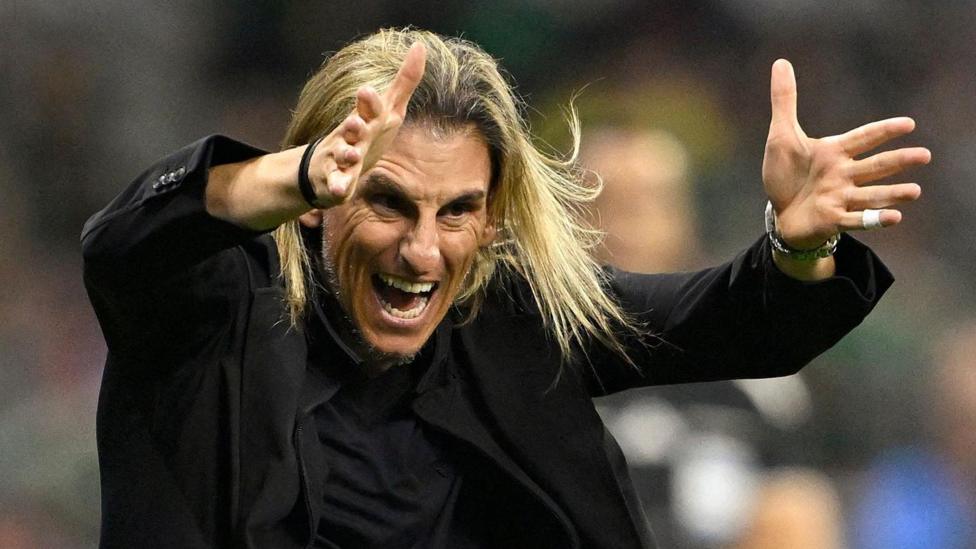
Beccacece Walks Away as Ecuador World Cup Dream Dies
Sebastian Beccacece confirms his immediate departure as Ecuador manager after a painful World Cup elimination against Mexico.
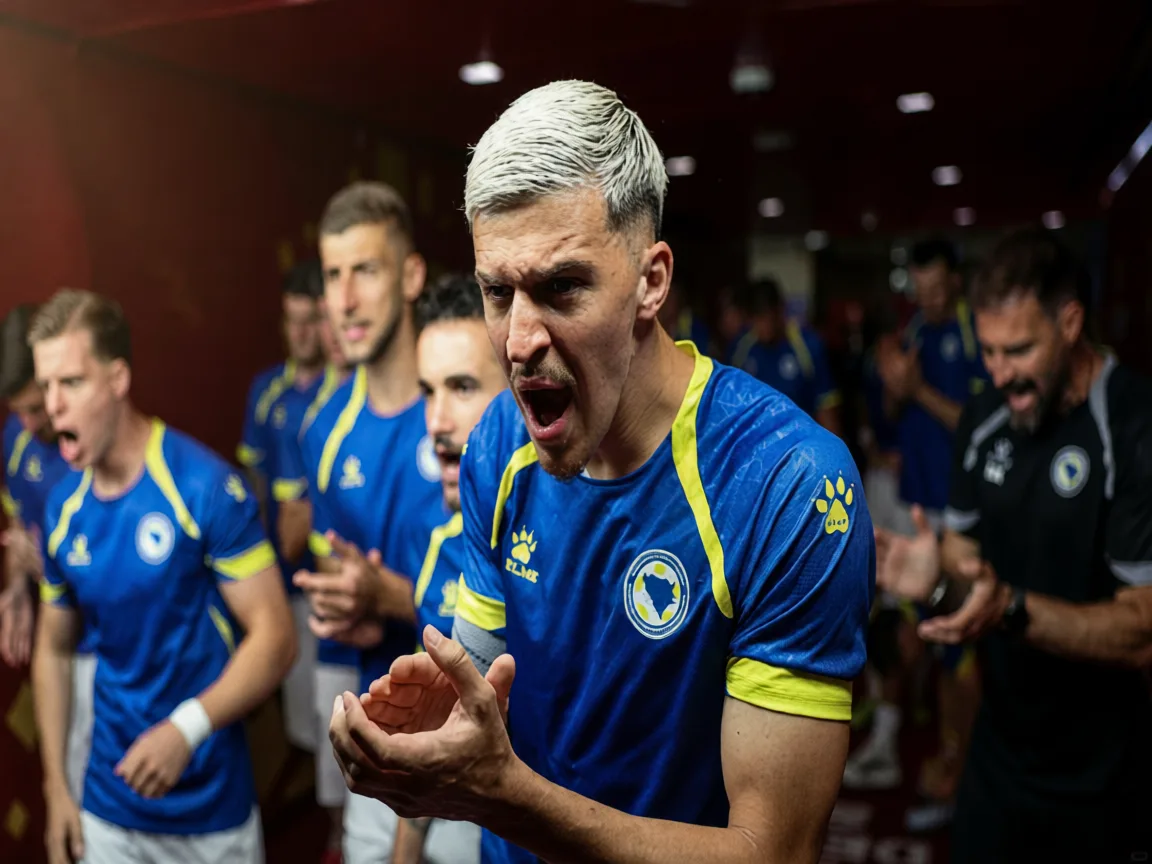
Leeds Bet £34.1M on Muharemovic: Bold Stroke or Panic Buy?
Leeds United agree a £34.1m fee for Sassuolo's Tarik Muharemovic, a statement defensive signing mixing Premier League survival with bold market strategy.