Infantino's FIFA Support Network Shows Cracks After World Cup Sell-Off Fallout
Gianni Infantino faces mounting pressure as countries withdraw backing following the bungled World Cup ticket sale.
Infantino's Ticket Crisis Exposes Decades of Rot
Gianni Infantino's crisis has immediate triggers, but its origins stretch back to Zurich in 2010. The institution's structural weaknesses were laid bare when the 2022 World Cup was awarded to Qatar rather than the United States. That decision initiated a chain of events including an FBI inquiry, the testimony of former Concacaf general secretary Chuck Blazer, and a furious reaction from Bill Clinton, who reportedly hurled an ashtray across a room demanding action. The current storm is not merely a weekend of bad publicity; it is the latest symptom of an institutional decay that began sixteen years ago.
New Allegations of Financial Conduct
Further complicating Infantino's position, a Daily Telegraph investigation has revealed that UEFA made a severance payment to his alleged lover while he served as its general secretary. Infantino has denied the claims, but the report adds a specific dimension to the broader narrative of personal financial entanglements that has long shadowed the Swiss federation. The allegation suggests that payments connected to private relationships were facilitated through institutional funds, deepening the scrutiny around his conduct during his tenure at UEFA prior to his FIFA presidency.
FIFA Political Architecture Fractures Over Ticketing
The bungled 2026 World Cup ticket sell-off has triggered defections, with multiple member associations publicly withdrawing their backing of Gianni Infantino. FIFA corridors are now debating whether this erosion of support is sufficient to force an election contest or whether the president's institutional networks remain intact.
The mechanics of the sales matter less than what they exposed: a governing body whose relationship with its membership has grown transactional. When member associations perceive that their fans are being short-changed, the political currency of the president who authorised the process evaporates.
Editorial Pressure and Failed Commercial Ambitions
The Guardian has published an editorial calling for Infantino to resign, marking a significant escalation in media scrutiny. The publication argues that FIFA's president attempted to "brazen out the storm" after plans to sell a stake in the World Cup to private equity added insult to injury. Citing Ernest Hemingway's The Sun Also Rises, the editorial describes Infantino's loss of authority as something happening "gradually, then suddenly." While he has survived regular criticism of his monetising approach since taking over in 2016, his credibility has been "draining away at speed" since the leak of the private equity plans.
Before the ticket sell-off consumed attention, Infantino had pinned ambitions on a private investment plan for the World Cup itself. The proposal sought to bring outside capital into FIFA's flagship tournament, structuring commercial rights around private equity participation linked to the brother of Donald Trump's son-in-law. That plan collapsed.
The failure of the investment scheme compounded the political damage from the ticketing debacle. Member associations that might have tolerated commercial experimentation watched two flagship revenue initiatives falter in sequence. Infantino now appears to be trying to return to business as usual, but the accumulated failures have made that posture difficult to sustain.
Confederation Responses and Mexico's Defection
FIFA's political architecture rests on confederation loyalty. Each of the six confederations functions as a voting bloc with its own internal dynamics, and Infantino's survival has depended on maintaining functional relationships across all of them.
Concacaf has called for a thorough review of FIFA's governance in light of the ticketing debacle. The confederation is backing Uefa's demands for meaningful change, though it has not yet followed its European counterparts in threatening to boycott tournaments if those objectives go unmet. The confederations most likely to feel political heat are those whose associations have been most vocal about the ticketing failure. In those regions, the selling point of Infantino's presidency is weakened. Where he has delivered infrastructure investment, development programmes, or tournament allocations, the counter-narrative holds.
Mexico has publicly backed Infantino, breaking with the rest of Concacaf. The move deepens the fault lines in world football by fracturing a confederation bloc that had positioned itself alongside Uefa in pressing for governance reform. Mexico's defection is not purely symbolic. There is growing speculation that the country may switch confederations entirely, abandoning Concacaf for Conmebol. Such a move would redraw the continental map: Mexico has long coveted the competitive environment of South American qualification, and aligning with Conmebol would give Infantino a foothold in a rival confederation while weakening Concacaf's reformist front.
Argentina has followed Mexico in expressing support for Infantino, compounding the pressure on confederation solidarity. With both the Argentine and Mexican federations now on record, the coalition pressing for governance change faces a two-front problem: Uefa must hold its own line while Concacaf absorbs a public split from one of its largest members. This backing from two of the Spanish-speaking football world's heavyweight federations gives Infantino breathing room precisely when his position looked most vulnerable.
The Threshold for a Challenge
FIFA presidential elections require a threshold of support to trigger. Even if dissatisfaction is widespread, organisation is harder than sentiment. Confederal executives are institutions first, and many will calculate that the risk of opening a presidency competition outweighs the reward of forcing a vote.
Infantino can no longer treat member association support as a given. The sell-off fallout has converted quiet dissatisfaction into public distance, and in FIFA's political economy that is the difference between a safe majority and a tight vote. Yet Mexico and Argentina's open alignment reveals that the fractures run in both directions. The confederations pressing for reform are no longer speaking with one voice, and that fragmentation may matter more than the original ticketing scandal itself. The failed private investment plan, now part of the public record alongside the ticketing failure, gives prospective challengers two concrete examples of commercial mismanagement to cite.
Editorial Integrity
This is an original SportPulse article written by our editorial team. All content is independently researched, written, and reviewed by our writers and editors before publication. We do not publish copied, aggregated, or syndicated content.
SportPulse is committed to original sports journalism. Read our editorial policy or contact us with any questions.
More Like This
All football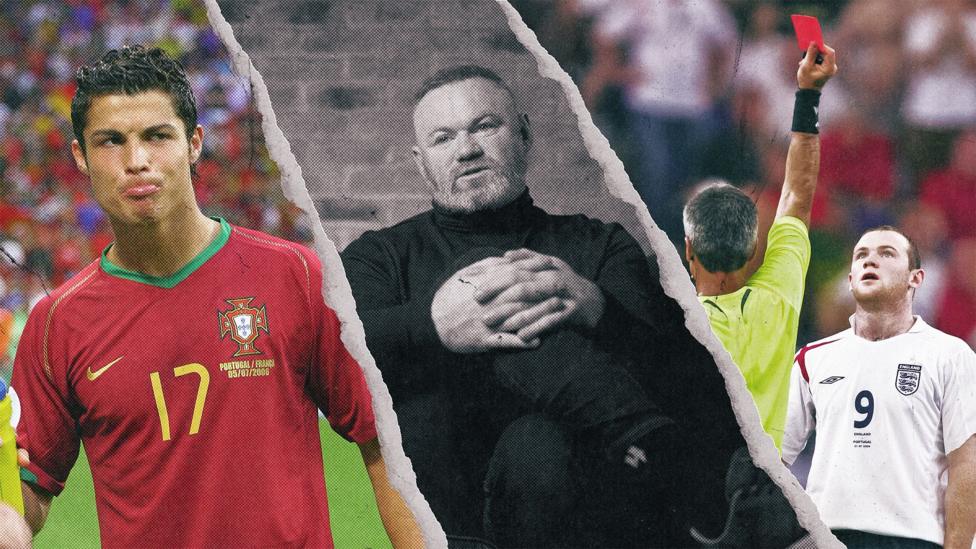
Rooney Breaks His Silence: 'I'd Have Done the Same' to Get Him Sent Off
Twenty years on, Rooney's brutal honesty about the 2006 World Cup red card reframes one of football's most toxic flashpoints.
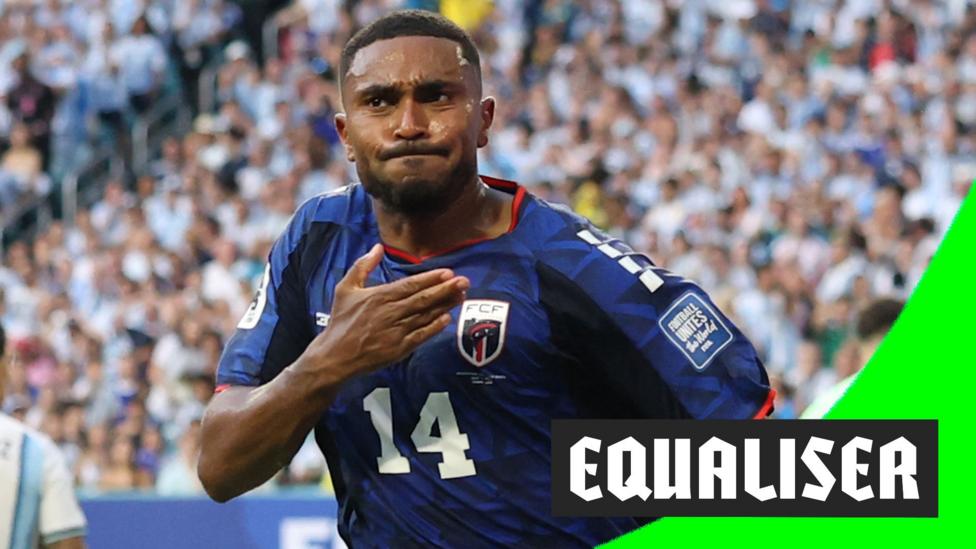
Cape Verde's Duarte Silences Argentina in Miami World Cup Shock
Deroy Duarte's equaliser exposes Argentina's tactical fragility against Cape Verde's ruthless transitions in Miami.
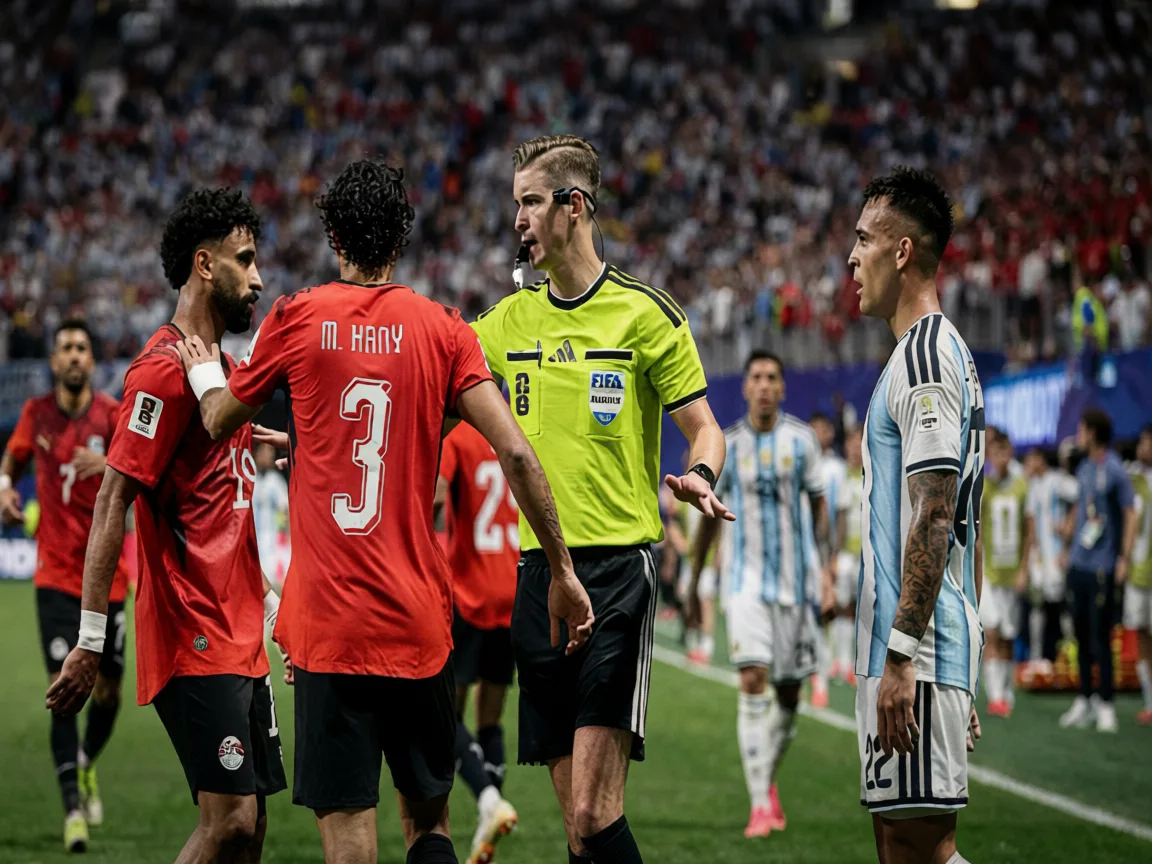
Collina's Crusade: Why FIFA's Referee Chief Won't Apologize
Pierluigi Collina draws a line in the sand, defending World Cup referee integrity amid an era of unprecedented scrutiny and conspiracy.