Infantino Set to Escape IOC Sanction Over Trump-Balogun Scandal
FIFA's unprecedented ban reversal after a Trump phone call exposes deep governance cracks, yet Infantino faces no consequences from the IOC.
The Unprecedented Reversal
The most telling moment of the Balogun affair was not the initial red card, nor the political intervention that followed. It was the surreal tactical capitulation by FIFA's disciplinary committee, which suspended the ban for 12 months in what can only be described as an unprecedented ruling. When a governing body reverses a sporting sanction after a phone call from a former United States president, the structural integrity of the entire organisation is called into question. The tactical framework that underpins fair competition demands that disciplinary procedures remain insulated from political pressure. That shield was comprehensively dismantled.
When Folarin Balogun received his red card, the United States faced a scenario that required a specific tactical recalibration for their last-16 tie against Belgium. Losing a central forward forces a coach to adjust the pressing structure, the build-up shape, and potentially the entire formation. The usual response is to deploy a false nine, drop a midfielder into the hole, or shift to a 4-4-2 system. However, the subsequent intervention by Donald Trump, who revealed he had called FIFA president Gianni Infantino asking him to review the ban, introduces a grotesque distortion of the sporting landscape. This is no longer a tactical problem solved on the training ground; it is a governance crisis that threatens the credibility of the global game.
Structural Weaknesses in FIFA's Defensive Setup
The central issue is one of governing body structure and the integrity of the disciplinary system. When a head of state or a figure of immense political weight is granted access to the president of FIFA, the theoretical firewall separating sporting governance from political influence collapses entirely. This breach forced the human rights organisation FairSquare to lodge a formal complaint with the International Olympic Committee (IOC), arguing that Infantino breached rules on political neutrality. The complaint highlights a fundamental misalignment in Infantino's operational philosophy: a predisposition to cultivate relationships with powerful political figures at the expense of the organisation's institutional independence.
The IOC, which has its own strict rules regarding political neutrality, now faces a tactical dilemma of its own. Sanctioning the FIFA president would represent a significant escalation in the ongoing power dynamics between the two major global sporting bodies. However, ignoring the complaint risks establishing a dangerous precedent. This situation demands a coordinated response, a structural reshuffle that enforces the boundaries between sport and state. The failure to act weakens the collective position of all sporting federations. The ethical pressure applied by a former US president is essentially a high press that forces the governing body into a rushed, ill-considered clearance. The ball ended up in the net, the ban was lifted, and Balogun was eligible to face Belgium. The sporting integrity of the tournament was compromised in the process.
Key elements of the Governance Breakdown:
- The initial suspension of the ban was labelled an unprecedented ruling.
- Donald Trump contacted Gianni Infantino directly to request a review.
- FIFA's disciplinary committee complied with the request effectively.
- FairSquare submitted a formal complaint to the IOC regarding political neutrality.
Tactical Shift: Governance Over Liberty
The Infantino era at FIFA has been characterised by a distinct tactical approach: expanding the footprint of the game through geopolitical manoeuvring rather than strict adherence to sporting principles. This is a governance form of vertical build-up. By design, Infantino seeks to establish direct channels with heads of state, bypassing the traditional diplomatic structures of continental confederations. This strategy was evident in the rapid expansion of the Club World Cup and the controversial decision to award the 2022 World Cup to Qatar. The Balogun affair is simply the most explicit example of this structure being deployed to directly influence a tactical outcome on the pitch.
When Trump made his call, Infantino was suddenly operating in a pocket of pressure. The structural integrity of the disciplinary committee's normal processes was tested, and the outcome revealed a system that is vulnerable to external influence. It is a low block philosophy: absorbing ethical pressure and relying on the sheer weight of institutional inertia to see off complaints. The fact that Infantino is poised to escape without sanction from the IOC suggests this defensive structure remains intact, despite the clear evidence of a breach in political neutrality.
"The IOC has so far not publicly commented on whether it will formally investigate the matter, but the internal pressure is mounting."
The Wider Implications for Sporting Integrity
The precedent established by the Balogun affair is deeply corrosive. If disciplinary decisions can be reversed through political pressure, the entire framework of competitive balance is rendered vulnerable. The United States gained a sporting advantage from an intervention that had nothing to do with the events on the pitch. The last-16 tie against Belgium was no longer a pure contest of two teams and their respective tactical systems. The structural equality that underpins international football is the foundation of its global appeal. The moment that equality is compromised, the legitimacy of the results suffers.
The complaint from FairSquare is not merely a procedural footnote. It is a strategic intervention designed to expose a systemic flaw in the governance of global football. The organisation's focus on human rights and political neutrality highlights the inherent conflict of interest when sporting bodies align themselves too closely with political power. This is a positional play designed to reclaim the ethical high ground. Whether the IOC chooses to execute a decisive intervention or opts for a passive defensive stance will determine the health of the sport's governance for years.
This situation warrants a significant structural review of how FIFA interacts with political figures. The rules regarding political neutrality are in place to protect the sport from becoming a proxy for geopolitical battles. That protection failed entirely. The Balogun red card was a momentary loss of discipline. The reversal of the ban was a significant systemic failure that suggests the tactical inclinations of the current leadership lean towards political accommodation over sporting integrity.
What Comes Next for FIFA and Infantino
The immediate horizon suggests Infantino will weather this storm. FIFA's internal structures are designed to protect the presidency, and the IOC has historically been reluctant to interfere directly in the internal affairs of other major sporting federations. The political capital Infantino has accumulated through his relentless global networking acts as a formidable shield against external challenges.
However, the long-term structural damage is harder to quantify. To rebuild this trust, FIFA needs to establish a clear tactical framework for disciplinary independence. This would require a fundamental amendment to the statutes governing how the disciplinary committee operates, ensuring that its decisions are free from even the perception of external influence. Without such a structural correction, every decision FIFA makes will be open to question. The Balogun affair established a match-winning pattern of political interference that will be difficult to defend.
The upcoming cycle of international tournaments, including the expanded 2026 World Cup, will now operate under the shadow of this governance crisis. The integrity of the qualifying process and the disciplinary mechanisms that underpin it require absolute clarity and independence. If a phone call can alter the composition of a team in a crucial knockout match, the very foundation of fair competition is compromised. The structural integrity of the global game is at stake.
Editorial Integrity
This is an original SportPulse article written by our editorial team. All content is independently researched, written, and reviewed by our writers and editors before publication. We do not publish copied, aggregated, or syndicated content.
SportPulse is committed to original sports journalism. Read our editorial policy or contact us with any questions.
More Like This
All football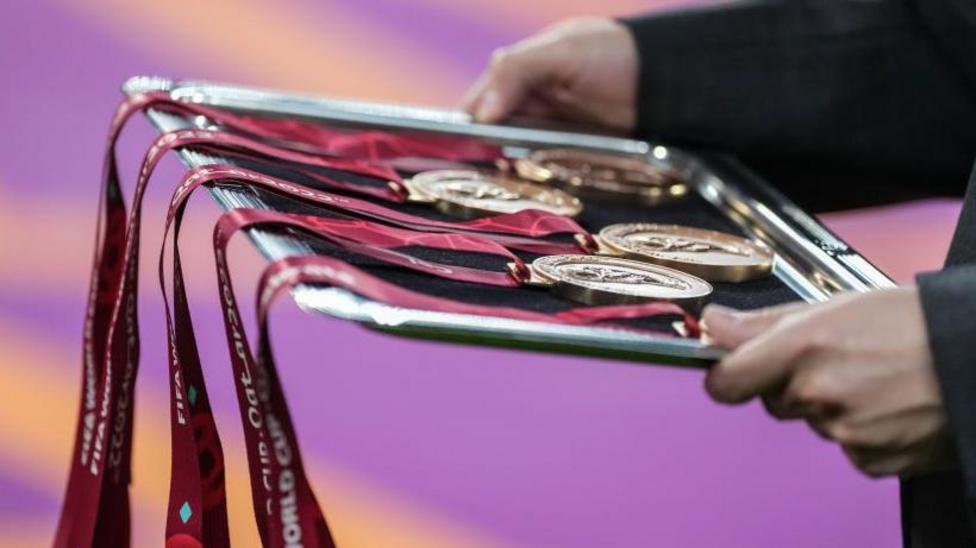
The World Cup Bronze Final: Relic or Hidden Gold?
The third-place playoff divides opinion, but behind the spectacle lies a debate about what football owes its players and fans.
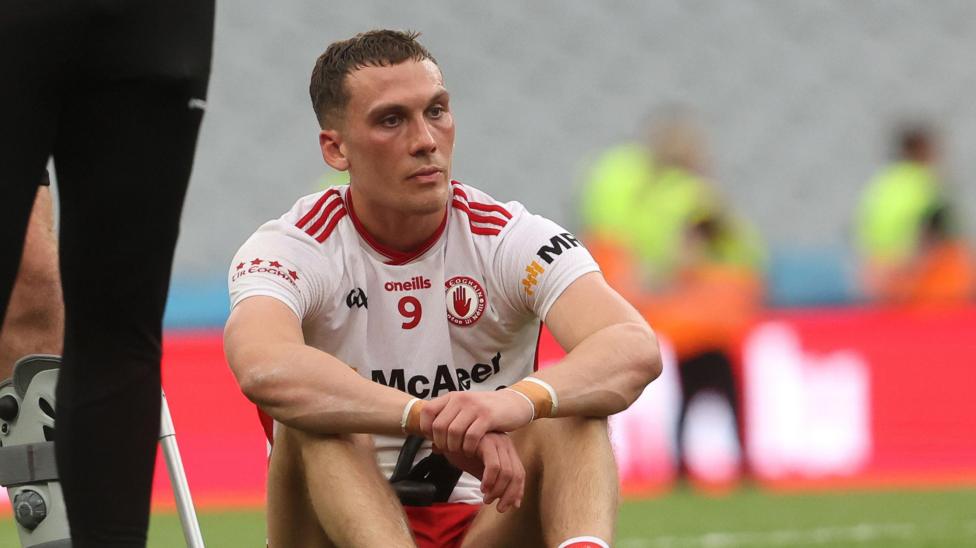
Kerry's Ruthless Finishing Ends Tyrone's Championship Dreams
Kerry's clinical 2-25 to 0-27 victory exposed Tyrone's defensive frailties and reignited a fierce rivalry in devastating fashion.
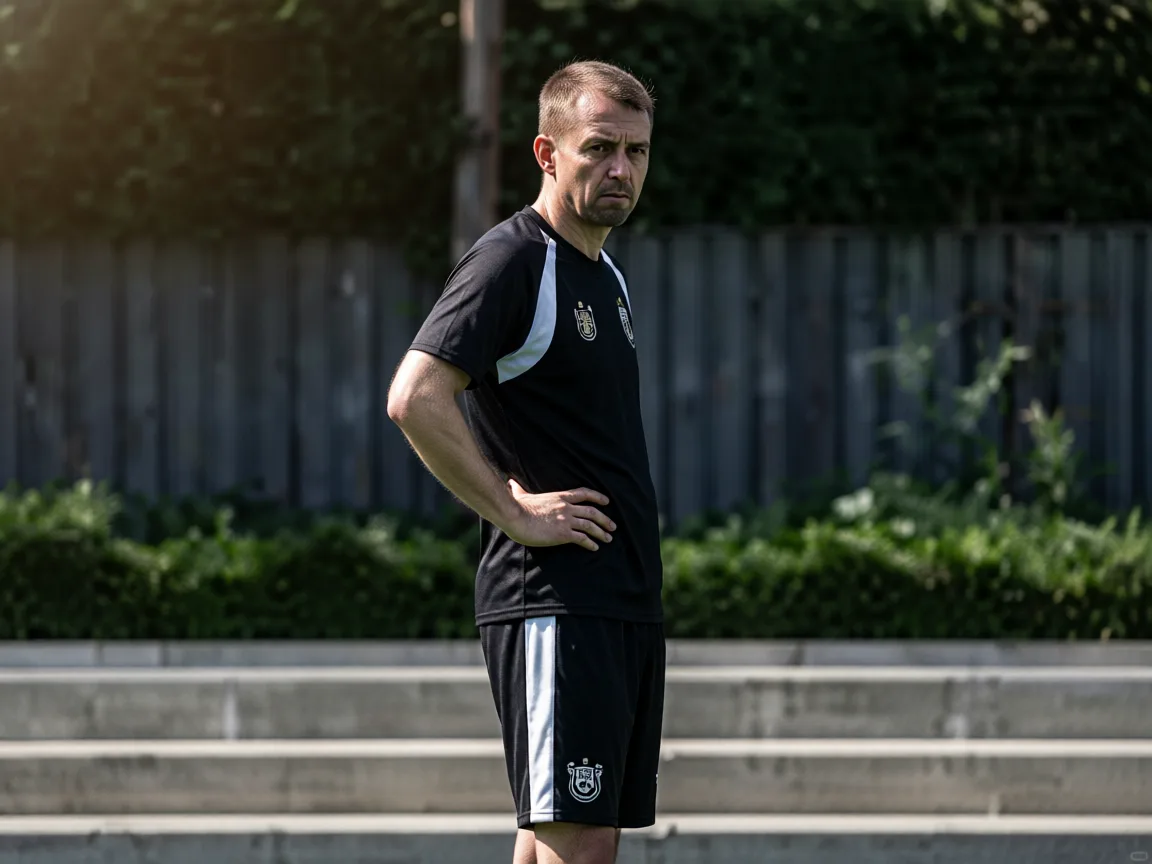
Spygate Shadow Looms Over Southampton as Eckert Awaits FA Verdict
Southampton's season hangs in balance as FA weighs unprecedented sanctions over training-ground espionage scandal.