From Ferguson's Sidekick to Iraq's World Cup Dream: Inside Meulensteen's Wild Ride
René Meulensteen details Iraq's extraordinary path to the World Cup and the lessons he carried from Old Trafford.
Eight-Hour Drives, 15-Hour Bus Rides, One World Cup Dream
Iraq are heading to their first World Cup finals in 40 years. The number alone should stop you in your tracks. But the story behind how they got there is even more staggering than the drought they ended.
Under head coach Graham Arnold and his assistant René Meulensteen, Iraq navigated 20 grueling qualifiers to reach a decisive playoff in Monterrey, Mexico. The footballing challenge was immense. The logistical challenge was something else entirely.
With Iraq engulfed in regional conflict and commercial airspace effectively shut down, the squad's journey to the match became an odyssey that would test the resolve of any professional athlete. Players based inside Iraq first had to reach Baghdad by car or bus, some spending up to eight hours on the road. From there, a roughly 15-hour overland trek across bumpy highways delivered them to Amman, Jordan, where the last functioning flights could still carry them westward. Players stationed elsewhere in Asia made their own way to the Jordanian capital so the group could travel as a unit.
"They had to travel from different cities to Baghdad by car or bus. Some of those journeys took up to eight hours. Then, from Baghdad they travelled roughly 15 hours on bumpy roads to Amman, in Jordan, where occasional flights were still operating." — René Meulensteen
No other World Cup-bound nation made comparable sacrifices just to show up.
The Man Behind the Clipboard
Meulensteen is no ordinary assistant coach. The Dutchman spent years as a key member of Sir Alex Ferguson's backroom staff at Manchester United, working intimately with some of the greatest players ever to lace up boots. He was there during the club's most dominant era, a trusted voice in a dressing room that pulsed with expectation every single week.
His proximity to greatness was not abstract. Meulensteen worked directly with Cristiano Ronaldo during the Portuguese forward's explosive development at Old Trafford, helping refine the technical and physical details that transformed a raw, flashy winger into the most complete attacker of his generation. That kind of coaching pedigree does not evaporate when you leave Manchester. It travels. It adapts. And in Iraq's case, it proved invaluable.
The transition from the Theatre of Dreams to the chaos of a war-torn qualifying campaign is jarring on paper. In practice, Meulensteen has described it as a natural extension of the principles Ferguson embedded at United: discipline, resilience, collective purpose over individual ego.
What Ferguson Taught Him About Impossible Odds
Anyone who worked under Ferguson absorbed one core lesson above all others: never accept defeat as inevitable. Manchester United's historic comebacks, the stoppage-time winners, the refusal to bow to superior talent on any given night, those were not accidents. They were the product of a culture that demanded belief even when circumstances screamed otherwise.
Meulensteen carried that mentality into Iraq's camp. When players faced journeys that would exhaust even seasoned travelers, the coaching staff framed the ordeal as a bonding exercise. When war threatened to derail the campaign entirely, the message was simple: control what you can control.
The parallels to Ferguson's management style are unmistakable. Ferguson famously adapted to every challenge thrown at his squads: financial constraints, injury crises, hostile away grounds in Europe. He never offered excuses. Meulensteen, shaped by that environment, brought the same no-nonsense approach to a squad representing a nation that had not tasted World Cup football since 1986.
The Locker Room They Built
One detail from Meulensteen's account stands out beyond the travel hardships: the singing. Iraq's players sang together. Not performative social media content, not choreographed celebrations, but genuine communal singing that reflected a squad bonded by something deeper than tactical instructions.
In an era where national team camps are often criticized for lacking cohesion, where players arrive from elite European clubs and struggle to transition into collective identity, Iraq found unity through shared adversity. The long bus rides, the uncertainty, the constant awareness of what their families endured back home, all of it forged a group that played for each other in ways that purely tactical setups cannot manufacture.
That dressing room atmosphere mattered in Monterrey. When legs were heavy and nerves frayed during the playoff, Iraq had reserves of togetherness that more fancied nations simply could not replicate.
Arnold and Meulensteen: An Unlikely Coaching Partnership
Graham Arnold is an Australian, a man forged in the cutthroat environment of A-League management and the pressure cooker of the Socceroos job. Meulensteen is Dutch, shaped by Ferguson's Scottish pragmatism and the Ajax-influenced technical traditions of Dutch football. On paper, the pairing reads like a coaching experiment.
In reality, it worked precisely because their backgrounds complemented each other. Arnold brought organizational clarity and motivational fire. Meulensteen supplied technical detail and the psychological calm that comes from years spent navigating Champions League knockout ties and Premier League title races.
Iraq's Football Association deserves credit for assembling the staff. Bringing in foreign expertise to guide a homegrown squad through unprecedented geopolitical obstacles required boldness. The payoff was a 40-year dream realized.
What the World Cup Stage Demands
Qualification is the achievement. Everyone involved should celebrate it without reservation. But the tournament itself will pose questions that even the most inspiring qualifying run cannot answer.
Iraq will arrive at the World Cup as one of the lowest-ranked nations in the draw. The squad lacks the deep pool of European-based talent available to Asian powerhouses like Japan, South Korea, or Australia. The financial resources underpinning the program are modest compared to Gulf neighbors who have invested billions in football infrastructure.
Meulensteen's experience at United, where the club routinely faced technically superior opponents in European competition, will be critical here. Ferguson's United rarely tried to outplay Barcelona or Real Madrid at their own game. They imposed their identity: relentless pressing, rapid transitions, set-piece threat. Iraq will need a similarly pragmatic blueprint tailored to their strengths.
The squad's collective spirit, the same bond forged on those long road journeys, will be their greatest weapon. World Cup history is littered with examples of tight-knit underdogs punching above their weight: South Korea in 2002, Costa Rica in 2014, Morocco in 2022. Iraq have the mentality. Now they need the tactical framework to match.
What It Means
Iraq's World Cup return is more than a sporting milestone. It is a statement about resilience, about what becomes possible when players and staff refuse to let external chaos dictate their ambition.
René Meulensteen represents the connective tissue between elite European football and the raw, emotional power of a nation desperate to belong on the world stage. His journey from Ferguson's bench to a bus rumbling through Jordan carries a lesson the sport never tires of teaching: preparation matters, talent matters, but belief forged through shared struggle is the ultimate competitive advantage.
40 years of waiting. 20 qualifiers. 15-hour bus rides through a warzone. One Dutch assistant coach carrying the principles of Sir Alex Ferguson into the most unlikely of settings.
Iraq are going to the World Cup. And nobody who endured that journey will take a single second of it for granted.
Editorial Integrity
This is an original SportPulse article written by our editorial team. All content is independently researched, written, and reviewed by our writers and editors before publication. We do not publish copied, aggregated, or syndicated content.
SportPulse is committed to original sports journalism. Read our editorial policy or contact us with any questions.
More Like This
All long-reads
Sobers' Six Sixes: A Tactical Deconstruction of Cricket's Perfect Over
Six deliveries, six maximums, zero margin for error: revisiting Garfield Sobers' over of relentless aggression and its tactical reverberations.
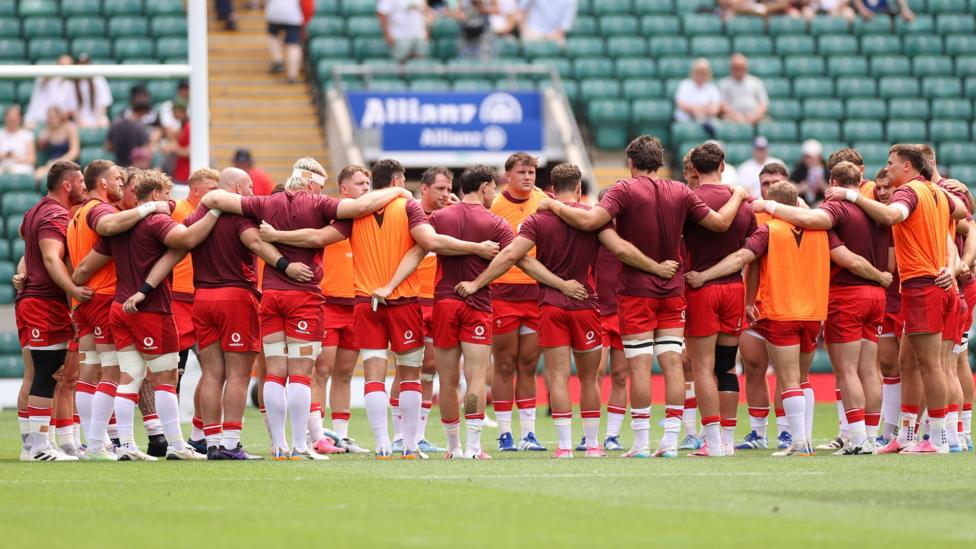
Wales Resolve Pay Row Days Before Fiji Test — But the Damage Is Done
Wales' eleventh-hour settlement with the WRU over match fees exposes deeper cracks in Welsh rugby's crumbling governance.
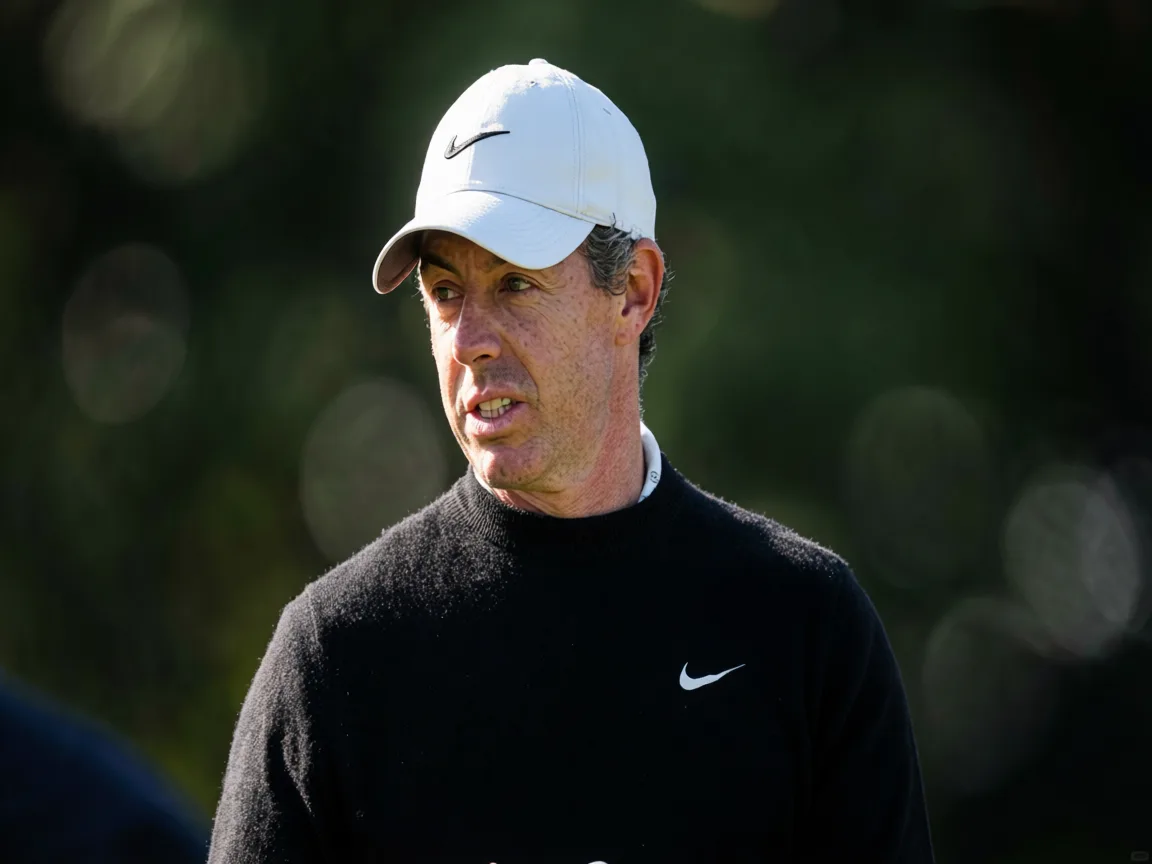
McIlroy Warns PGA Tour: Don't Sacrifice Scottish Open
Rory McIlroy urges caution as the PGA Tour's 2028 two-tier plan threatens the Scottish Open's historic prestige.