Irish League Clear Its House: Season Gets Green Light After EGM Resolution
Three proposals passed at a critical EGM have removed the clouds over the 2026-27 Irish League season, ensuring kickoff proceeds as scheduled.
The Vote That Kept the Season Alive
The 2026-27 Irish League season will begin on schedule. Three proposals were overwhelmingly endorsed at an Extraordinary General Meeting on Tuesday night, clearing the final procedural hurdle that had cast doubt over the campaign's start date.
The Irish Football League, operated by the Northern Ireland Football League (NIFL), has periodically faced governance friction between its member clubs, particularly around scheduling, financial commitments, and structural reform. Tuesday's EGM was called to resolve exactly those kinds of tensions before they could derail the fixture calendar.
What the Three Proposals Mean
The source material does not disclose the exact text of the three endorsed proposals, but the context is clear: the league's leadership needed boardroom agreement on operational or structural items before the season could safely commence. The overriding nature of the vote suggests the proposals were not controversial in substance, only perhaps in timing or process, and that the clubs ultimately prioritised calendar certainty over renewed debate.
For a league where the gap between the top tier and the lower divisions is significant and resources are finite, unanimous or near-unanimous endorsement at an EGM is a pragmatic signal. It means the executive can now finalise fixtures, broadcast windows, and reserve arrangements without the threat of a club veto resurfacing days before kickoff.
Why the Start Date Matters for the NIFL
The Irish League operates on a calendar that runs from August to May, with a mid-season break rarely accommodated. A delayed start compresses fixtures, increases congestion for clubs already managing limited squad depths, and risks overlaps with cup competitions. The NIFL's calendar is already one of the tighter schedules in European football, with the Premiership season running 38 league matches plus European qualifiers for its top side each year.
Getting the season on time protects clubs from the domino effect of postponed rounds: the 38-match Premiership schedule leaves no margin for error, and even a single postponement ripple can alter European qualification mathematics by spring.
What Comes Next
With the governance hurdle cleared, the NIFL's focus now shifts to finalising the fixture list and ensuring all clubs meet their operational obligations. The on-pitch story of the 2026-27 campaign will likely centre on Crusaders' pursuit of another domestic double, Linfield's response, and whether any of the mid-table sides can exploit financial instability among the league's lower-ranked clubs to push for European places.
The early certainty of a start date is a small but meaningful win for league stability. The real test will be whether the proposals endorsed on Tuesday night address the structural issues that required an EGM in the first place, or simply keep the lights on until the next dispute arises.
Verdict: The 2026-27 Irish League season is officially green-lit. The vote delivers calendar certainty, but without knowledge of the proposals' substance, it is impossible to say whether this resolves the underlying tension or merely defers it.
The Bottom Line
An EGM vote is a procedural tool, not a tactical one. The clubs agreed to three items and the season will start as planned. The details that motivated the extraordinary meeting remain undisclosed, which means the headline is stability, not reform. For a league that needs both, that is a modest but honest outcome.
Editorial Integrity
This is an original SportPulse article written by our editorial team. All content is independently researched, written, and reviewed by our writers and editors before publication. We do not publish copied, aggregated, or syndicated content.
SportPulse is committed to original sports journalism. Read our editorial policy or contact us with any questions.
More Like This
All football
Chelsea Zero In on Lacroix for Defensive Overhaul
Chelsea are accelerating their pursuit of Crystal Palace defender Maxence Lacroix to anchor a long-overdue defensive rebuild this summer.

Pochettino's Tears: How Three Blows Forged USMNT's World Cup Identity
Mauricio Pochettino wept after the Gold Cup final, but those tears mirrored the painful foundation now fueling America's World Cup surge.
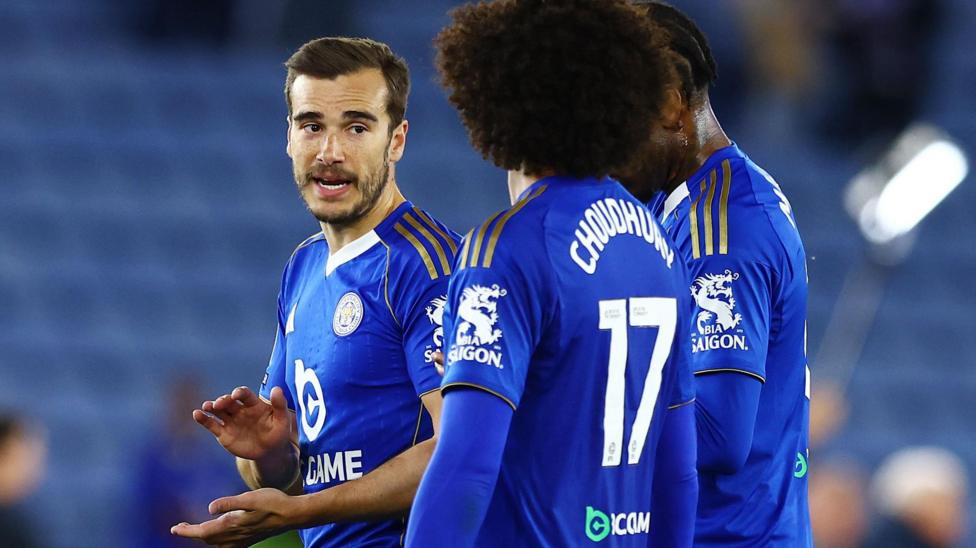
Leicester's League One Reset Begins at Notts County
Leicester City navigate a historic relegation trajectory with a League One opener at Notts County, demanding immediate tactical recalibration.