The Woman Who Pointed Her Finger: Mexico's Mother Courage
A billboard magnate turned her son's disappearance into a one-woman crusade that exposed a broken system and raised an uncomfortable question.
12 July 2005: The phone that went unanswered
Hugo Wallace did not answer his phone on the morning of 12 July 2005. His mother, Isabel Miranda de Wallace, did not wait. She already knew what silence meant in Mexico City.
Kidnappings were rife. Families who went to the police often found their complaints dismissed, or worse, leaked to the same people who had taken their loved ones. Many cases went unreported. Involving the authorities could accelerate a tragedy rather than prevent one.
Wallace was not like most families. She had built an advertising agency that owned and operated billboards across Mexico City. She understood visibility, leverage, and public pressure. When her son vanished, she treated the search the way she would have treated a commercial dispute: with immediate, organized action.
She enlisted her brother and her nephew. They walked the streets near Hugo's last known location until they found his SUV. A passerby told them they had seen someone being forced out of the vehicle and into a nearby apartment. Wallace also described speaking to a boy who had heard gunshots and seen an injured man being led out of that apartment around 4 a.m.
"Within 24 hours, we found his car, then the building where they took my son. We had the case practically solved. But the police didn't believe us."
She had done, in a single day, what the state could not. The state's response was not gratitude. It was disbelief.
A woman who did not beg
Federico Döring, a politician and an early ally of Wallace, described her in terms Mexico City was not accustomed to hearing about a grieving mother.
"She didn't beg or say please. She would point her finger at public officials not doing their job, and this was unheard of."
In Mexico at that time, the fear was not only of criminals. It was of the overlap between criminals and the state. You did not know if a politician was working with the cartels. That uncertainty intimidated people into silence. Wallace was not intimidated.
She used what she had. She owned billboards. She understood how to make a face, a name, a story unavoidable. The infrastructure of her advertising business became the infrastructure of her search. A kidnapper could hide a body, but hiding a billboard was harder.
Wallace was not simply looking for her son. She was performing, in full view, the role that institutions were supposed to perform. The public noticed.
How Mexico City made her a hero
Wallace became a national hero. Mexico City was a city desperate for someone to succeed, and here was a woman who had done it herself, without protection, without permission. She was celebrated, decorated, held up as proof that accountability was possible.
The reporting raises a question it does not answer: "Did she go too far?" The line between avenging mother and vigilante shifts depending on who is asking.
What is clear from the facts: Wallace operated where the state had failed. She gathered evidence. She confronted officials. She was not afraid. Whether those methods, applied by someone with less moral clarity, would constitute justice or tyranny is the question that hangs over every story of a citizen who does the government's job better than the government does.
She was, as the source describes her, almost a Batman figure. The comparison is unsettling. Batman operates outside the law because the law has failed. He is tolerated because his targets are guilty. But the tolerance depends on the targets remaining guilty. That is not a system. It is a bet.
Unequal tools, unequal expectations
Wallace had resources most families did not. She had a business built on public visibility. She had family members who could help search immediately. She had the financial independence to act without waiting for institutional permission.
The danger of canonizing Wallace is that it converts her specific capacity into a general expectation. If she could do it, why can't others? The answer is in the question. Others do not own billboards. Others cannot walk the streets with a brother and a nephew and a passerby's tip and solve a kidnapping in 24 hours. Others are afraid, and as Döring noted, their fear is rational.
The danger of dismissing her is greater. She exposed a vacuum. The police did not believe her. The system did not work. She forced a city to look at what it already knew and had chosen not to see. That act was a diagnosis of a state that had stopped functioning.
Whether she went too far remains, in the available record, a question without a verdict. The more difficult question is why she had to go at all.
Editorial Integrity
This is an original SportPulse article written by our editorial team. All content is independently researched, written, and reviewed by our writers and editors before publication. We do not publish copied, aggregated, or syndicated content.
SportPulse is committed to original sports journalism. Read our editorial policy or contact us with any questions.
More Like This
All long-reads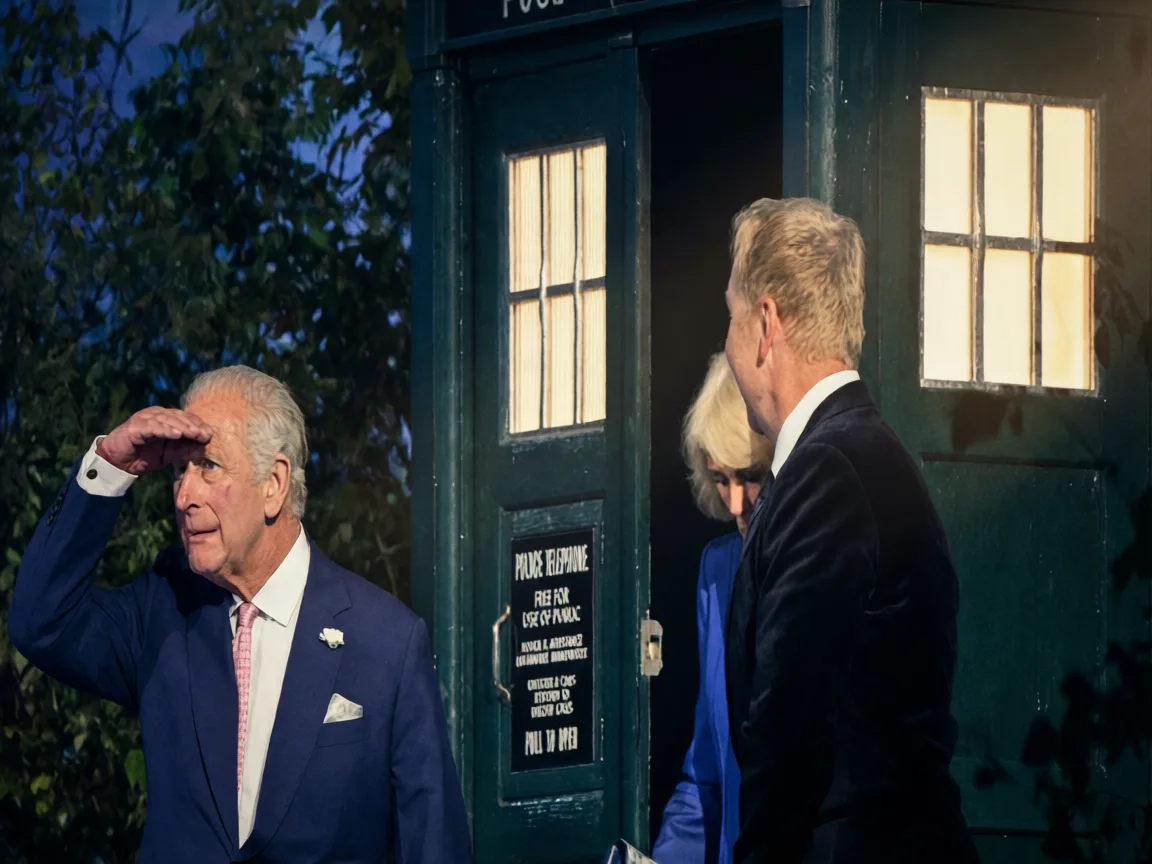
A monarch, a phone box, and a monster: Glasgow's opening ceremony flex
Glasgow's Commonwealth Games opener leaned into Scotland's strangest cultural exports rather than playing it straight.

Holloway Remade: The Welterweight Gamble Behind UFC 329
Max Holloway has packed on serious mass to face Conor McGregor at welterweight, and the stakes have never been higher for both legends.

Bigger Bats, Bolder Scoops: The Tactical Evolution Reshaping Women's T20 Cricket
The Women's T20 World Cup revealed a sport in rapid tactical flux, from record run rates to fearless shot-making innovation.