Antonelli Shines as Hamilton Struggles Through Italian GP Chaos
Andrea Kimi Antonelli delivered a near-perfect weekend while Lewis Hamilton endured a drama-filled afternoon at Monza.
The Future Outshines the Past at Temple of Speed
Sometimes a single Grand Prix tells you everything about where a sport is heading. The Italian Grand Prix at Monza delivered exactly that kind of revelation, as 18-year-old Andrea Kimi Antonelli produced a performance that belied his tender years while seven-time world champion Lewis Hamilton fought through an afternoon of unrelenting chaos.
BBC Radio 5 Live F1 commentator Harry Benjamin handed Antonelli a rating that stopped just short of perfection, recognizing a drive that combined raw pace with maturity well beyond the Mercedes junior's experience level. Meanwhile, Hamilton's afternoon was a study in damage limitation, the kind of race where the gap between expectation and reality yawns widest.
The contrast between the two Mercedes-affiliated drivers tells a story that extends far beyond a single afternoon in Lombardy. One represents the ascending trajectory of Formula 1's next generation. The other is grinding through the twilight of the most decorated career the sport has ever seen.
Antonelli: Composure Beyond His Years
Benjamin's assessment of Antonelli centered on a deceptively simple quality: the teenager did almost everything right across a weekend that tested even seasoned veterans. A near-perfect rating reflects a driver who navigated Monza's unique demands with the composure of someone who has logged a hundred Grand Prix starts rather than a handful.
Monza is historically unforgiving. The circuit's layout, with its long straights punctuated by tight chicanes, demands precision in braking zones where a single lock-up can ruin a weekend. The high-speed nature of the track exposes aerodynamic weaknesses and rewards drivers who can maintain momentum through the high-speed corners that connect the straights.
The Technical Breakdown
Antonelli's performance data paints a picture of exceptional execution. His braking stability into the Variante del Rettifilo and Variante Alta demonstrated a level of pedal modulation that usually takes years to refine. The first chicane, in particular, is where races are won and lost at Monza. Get the entry wrong and you lose time all the way to the second chicane. Get it right and the car carries momentum through the exit and onto the straight toward Curva Grande.
- Qualifying pace: competitive against far more experienced teammates and rivals
- Race execution: clean defending positions without relying on aggressive or reckless moves
- Tyre management: strategic awareness and genuine comfort managing degradation
- Consistency: lap-by-lap performance with minimal variation across stints
The rating reflects not just speed but the absence of the kind of errors that typically plague young drivers at high-pressure circuits.
The Italian's performance at his home Grand Prix carried additional weight. The expectations of a passionate Monza crowd can overwhelm even established drivers. Antonelli handled the occasion with the kind of emotional regulation that suggests his mental preparation matches his physical talent.
The Bottom Line
Antonelli's Italian Grand Prix was a statement performance. The near-perfect rating is not generous praise for a teenager. It is an honest assessment of a driver who is rapidly accelerating toward the front of the grid.
Hamilton: A Masterclass in Damage Control
If Antonelli's weekend was about near-perfection, Hamilton's was defined by the volume of problems requiring solutions. Benjamin's rating for the seven-time champion reflected a race that demanded constant adaptation from a driver who has built his legacy on exactly that quality.
The word drama is doing heavy lifting in the rating description. For Hamilton at Monza, drama could encompass any number of scenarios. Contact with rivals, strategic complications, tyre degradation issues, or the kind of mechanical gremlins that transform a competitive car into a handful. Each scenario requires a different response, and Hamilton's career has featured all of them at various points.
The Mechanics of a Difficult Afternoon
What makes Hamilton's situation particularly notable is the context of his final season with Mercedes before his move to Ferrari. Every race now carries a dual narrative: the pursuit of results in the present and the slow disentanglement from a team that has defined his career.
TheRating suggests a driver who had to work harder than the result might indicate. At Monza, where overtaking is theoretically possible but practically difficult due to the slipstream effect and DRS zones, track position is paramount. Losing places early forces a recovery drive that taxes tyres and tests patience.
Hamilton's race likely featured elements of strategic compromise, where the ideal plan was disrupted by circumstances beyond his control. The safety car timing at Monza is notoriously variable, and a poorly timed intervention can undo laps of careful positional work.
- Defensive work: required during phases where pace advantage was neutralized
- Strategic adaptation: forced by race incidents rather than planned execution
- Tyre management: under pressure conditions with elevated thermal degradation
- Recovery drive: navigating through traffic after early-race setback
A dramatic race for Hamilton at this stage of his career is not unexpected. What matters is how he channels the experience.
The Deeper Context
Hamilton's rating must be viewed through the prism of his career trajectory. A driver with seven world championships and 103 Grand Prix victories operates under a different evaluation framework. What constitutes a dramatic afternoon for Hamilton might be a straightforward race for a midfield driver. The expectations are impossibly high, and the scrutiny is relentless.
The Italian Grand Prix also carried specific emotional weight for Hamilton. His history at Monza includes some of his most memorable victories and controversial moments. Racing here in his final season with Mercedes, knowing a future in red awaits, creates a psychological complexity that no amount of experience can fully neutralize.
Verdict
Hamilton's rating reflects a race where the result was less important than the resilience required to achieve it. The drama was real, but so was the response.
What This Means for Mercedes and the Grid
The juxtaposition of Antonelli's near-perfection and Hamilton's drama-laden afternoon carries implications that extend beyond individual ratings. Mercedes faces a transitional period unlike any in its modern history. The departure of Hamilton and the potential integration of Antonelli into the senior team represents a generational shift that will define the team's competitive trajectory for years.
The Developmental Curve
Antonelli's performance at Monza accelerates an already ambitious timeline. Drivers who can deliver near-perfect weekends at classic circuits while still in their teenage years are commodities that teams move quickly to secure. The question for Mercedes is not whether Antonelli is ready but whether the car will be ready for him.
Hamilton's situation mirrors a broader pattern among drivers approaching career transitions. The separation process from a long-standing team introduces variables that affect performance in ways that are difficult to quantify. The rating he received at Monza may reflect this emotional backdrop as much as any technical or strategic factor.
The Competitive Landscape
The Italian Grand Prix also served as a reminder of how tightly contested the current grid has become. When established champions are fighting through dramatic afternoons and teenagers are delivering near-perfect performances, the competitive hierarchy becomes increasingly fluid.
The points swing possible across a single Grand Prix weekend can reshape championship battles. Monza's position in the calendar, traditionally late in the European season, means performances here carry outsized importance for momentum heading into the flyaway races.
- 1st: Young drivers proving themselves at historic venues signals shift toward youth
- 2nd: Veteran drivers facing new challenges in different team contexts
- 3rd: Tactically complex circuits separating true ability from car advantage
- 4th: The psychological demands of career transitions affecting performance
Looking Ahead
The Italian Grand Prix will be remembered as a weekend where the future announced itself loudly while the present struggled to maintain its footing. Antonelli's near-perfect rating is a data point in a larger trend toward younger, more adaptable drivers rising through the ranks with unprecedented speed.
Hamilton's drama-filled afternoon, meanwhile, serves as a reminder that even the greatest careers have chapters where the narrative defies easy categorization. The rating reflects a race that was fought as much against circumstance as against competitors.
For Mercedes, the performances of both drivers at Monza crystallize a decision that is simultaneously straightforward and agonizing. The future is arriving faster than expected. The present is proving more complicated than anticipated. And the Italian Grand Prix, with its unique blend of history and hostility, has provided a clearer picture of both than any team briefing could convey.
The championship moves on, but the lessons of Monza will linger. Some races are waypoints. Others are signposts. This one pointed firmly forward.
Editorial Integrity
This is an original SportPulse article written by our editorial team. All content is independently researched, written, and reviewed by our writers and editors before publication. We do not publish copied, aggregated, or syndicated content.
SportPulse is committed to original sports journalism. Read our editorial policy or contact us with any questions.
More Like This
All f1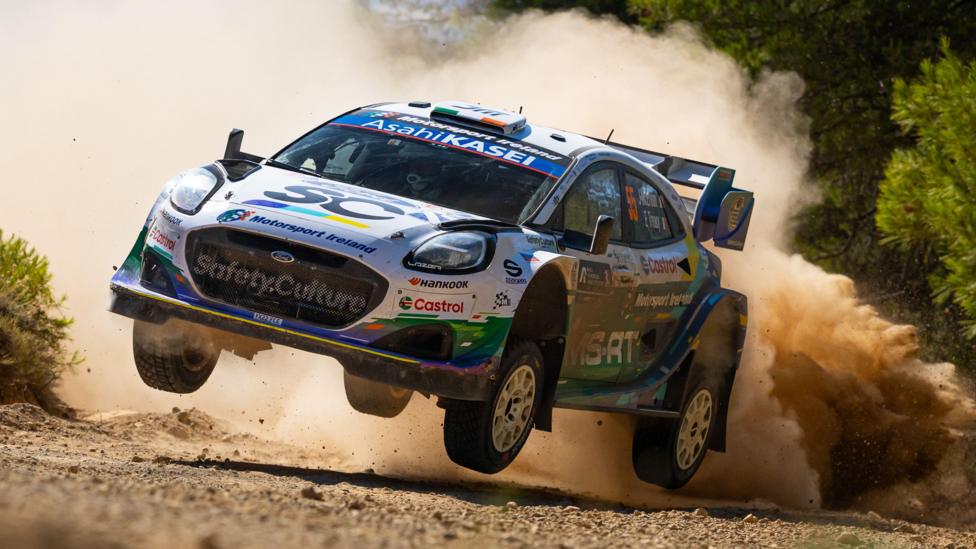
McErlean's Fourth-Place Breakthrough Signals a New Force in WRC
Irish driver Josh McErlean delivers a career-best WRC fourth in Greece as Ogier reigns supreme once more.
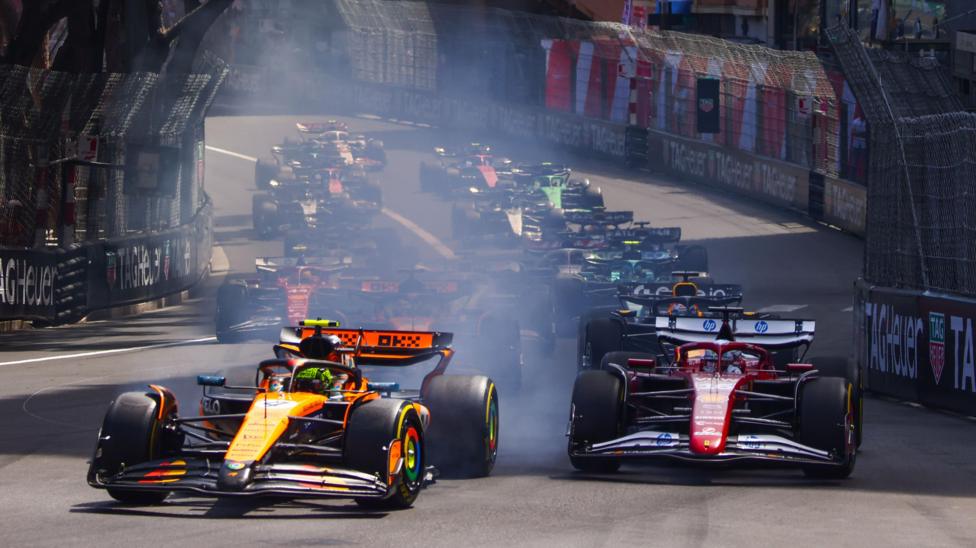
Can 2026's Aero Revolution Finally Crack Monaco's Processional Problem?
New active aero and reduced wake sensitivity could transform F1's most unforgiving circuit — but don't hold your breath.
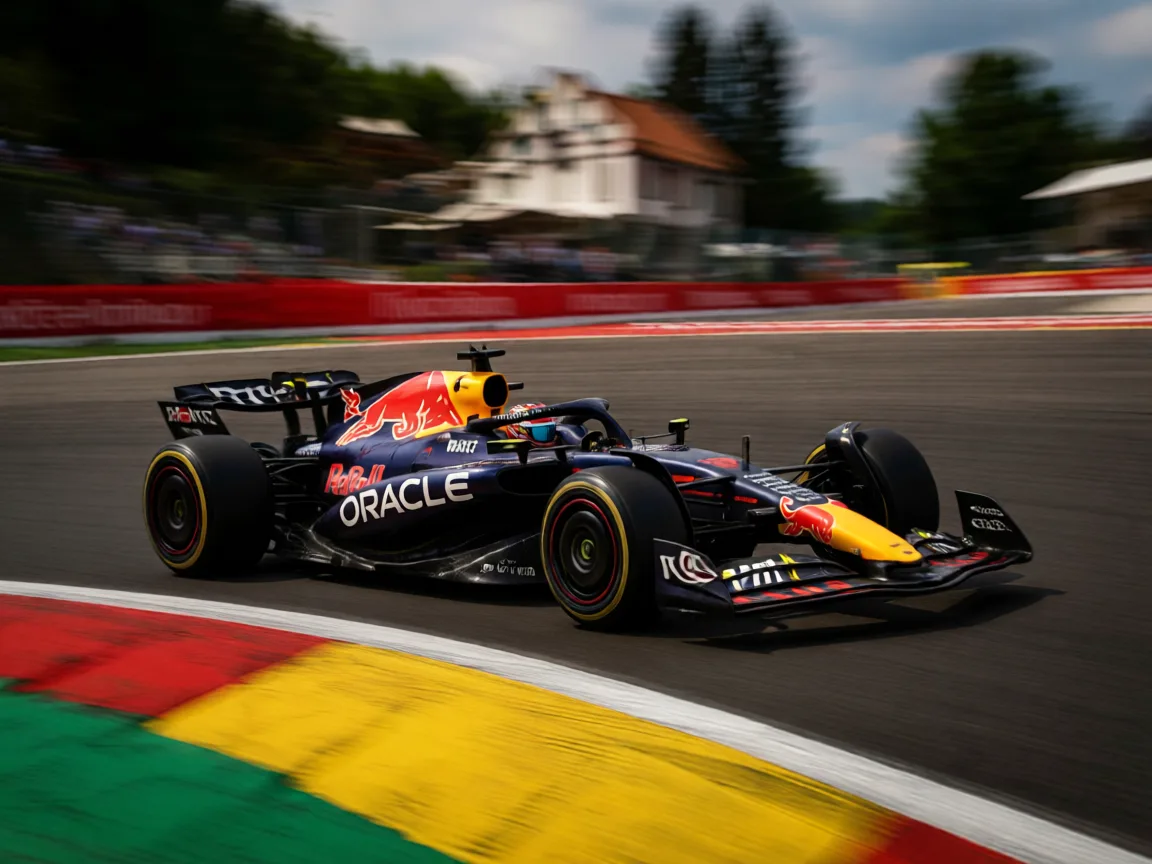
Verstappen Controls Spa Opening Practice, Hadjar Penalty Reshuffles Grid
Max Verstappen topped Belgian GP first practice ahead of Lewis Hamilton, while Isack Hadjar's grid penalty added post-session intrigue.