The Talent That Keeps Breaking: Draper's Arm Betrays Him Again
Britain's former No. 1 withdraws once more as a chronic arm injury threatens to define a career built on promise.
A body at war with its own gifts
There is a particular cruelty in the way tennis treats its most electric talents. The sport demands a violence of repetition, thousands of forehands struck with identical fury, thousands of serves launched from the same tortured shoulder, and it asks the human body to bear this industrial load without complaint. For Jack Draper, the former British number one whose withdrawal from yet another tournament was confirmed this week, that complaint has become a chronic refrain.
The arm, the same arm that has carried so much of Britain's singles hope on its frame, has once again intervened. Details remain sparse; the pattern does not. Draper's withdrawal from another event due to issues surrounding his recurring long-term arm injury is not a new story so much as the latest chapter in one that tennis fans in Britain have learned to read with a mixture of hope and dread.
The physics of a left arm
Draper is left-handed, which matters. Left-handed players occupy a peculiar place in the sport's ecosystem, their angles unfamiliar, their serves curving into uncomfortable corners for right-handed returners. When a left arm like Draper's is firing, it produces tennis of rare beauty: the heavy ball, the deceptive spin, the way his forehand can dismantle an opponent's position from the first shot of a rally. When it is not firing, there is nothing. No half-measures, no compromised version. Just absence.
His career has oscillated between these two poles with a regularity that borders on the absurd. Moments of genuine brilliance, victories that announced him as a player of the highest calibre, followed by enforced silences. Each return carries the question of how long this time. Each withdrawal reopens the same wound, not just physical but psychological. The mind of an athlete who cannot trust his own body to hold up is a difficult place to compete from.
What the rankings cannot capture
Draper's trajectory reads like a novel whose author keeps losing interest in the plot. He rose through the junior ranks with the kind of authority that suggested a straight line toward the top of the game. British tennis, perpetually starved of singles contenders who can sustain themselves at the highest level, dared to invest its considerable hope in him. For a time, he justified every ounce of it.
But the sport measures players in ranking points and tournament wins, and neither column accounts for the particular agony of being unable to complete what you started. Draper's arm has not simply cost him matches. It has cost him momentum, seeding positions, the accumulated confidence that comes from stringing together months of uninterrupted play. The men who sit above him in the rankings are not necessarily more talented. They are simply more available.
This is the unglamorous arithmetic of professional tennis. You cannot win points you are not present to contest. You cannot build the deep familiarity with your own game that comes from match after match, week after week, if your body insists on taking you off the tour at regular intervals.
The British burden
Britain's relationship with its tennis players is intense and impatient. The country produced Andy Murray, a generational talent who spent years absorbing the weight of expectation before finally shouldering it to the summit of the sport. Murray's success, paradoxically, made things harder for whoever came next. Having seen what a British player could achieve at the very top, the public appetite for the next one became almost ravenous.
Draper was supposed to be that next one. His left-handed game, his physical stature, his composure under pressure: all of it pointed toward a player who could compete for the biggest prizes. The injury has made that timeline uncertain, and uncertainty is the one thing a sports public cannot tolerate.
There is no villain here. The arm is an arm. It does what arms do when pushed beyond their structural limits over years. The question facing Draper is not whether he possesses the ability to reach the game's elite. He has shown, in flashes, that he does. The question is whether his body will permit him to sustain the pursuit long enough to arrive.
Waiting in the silence
Another withdrawal. Another period of rehabilitation and recalibration. Another stretch of weeks or months when the grass grows on courts that Draper might have walked onto with his racket and his conviction and his unreliable left arm.
The sport will continue without him. It always does. Tournaments fill their draws with other names, other stories. But somewhere in that crowd of competitors, a gap remains where Draper should be, a space shaped exactly like his forehand, his serve, his particular way of bending a match to his will.
He will return. He has always returned. The question that lingers, heavy and unanswerable, is whether one day the return will be permanent, or whether this cycle of brilliance and absence is simply the story of his career, written in the language of tendons and cartilage.
For now, British tennis waits. It has practice.
Editorial Integrity
This is an original SportPulse article written by our editorial team. All content is independently researched, written, and reviewed by our writers and editors before publication. We do not publish copied, aggregated, or syndicated content.
SportPulse is committed to original sports journalism. Read our editorial policy or contact us with any questions.
More Like This
All tennis
The Machine That Serves Like a Champion
Wimbledon's robotic serving simulator blurs the line between spectator and athlete in deeply human ways.
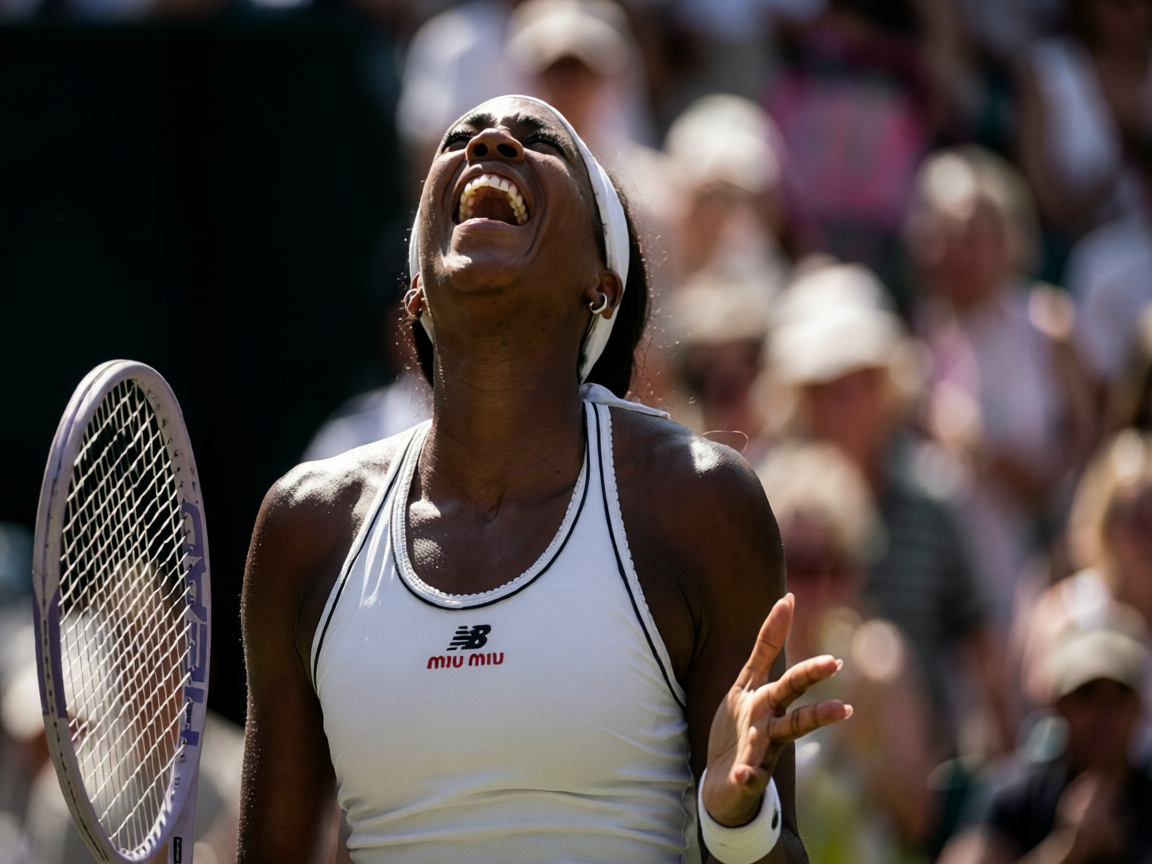
Comeback Queen Gauff Storms Into First Wimbledon Semi-Final
Coco Gauff outlasts compatriot Jessica Pegula in three sets to reach her first Wimbledon semi-final, cementing her grass-court evolution.
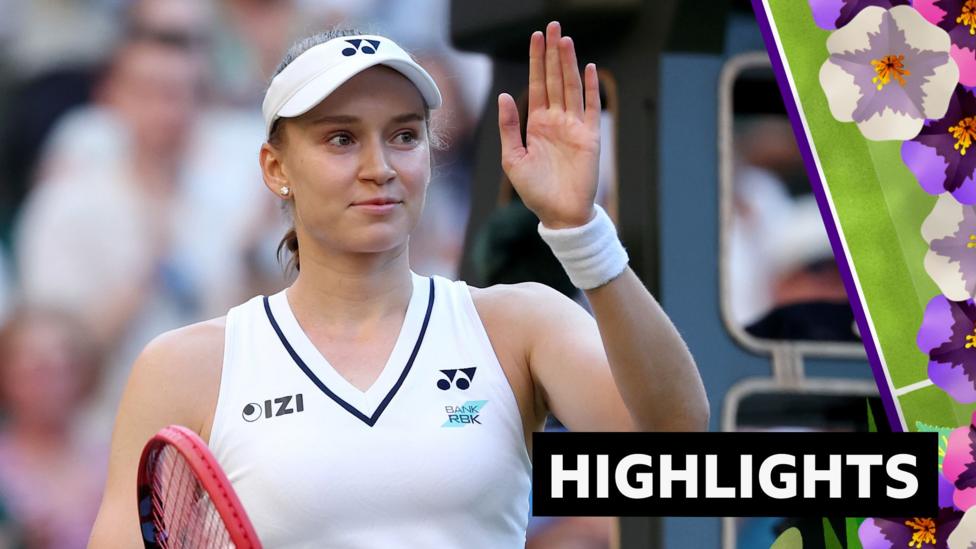
Rybakina's Systemic Dismantling: A Masterclass in Positional Tennis
Elena Rybakina applied relentless tactical pressure, deconstructing Caty McNally's game in a clinical Wimbledon display.