James Absence Forces Tactical Rethink Ahead of England-Mexico Clash
Reece James misses training before England's last-16 tie, forcing Southgate to reconsider his right-sided build-up structure against Mexico's midfield trap.
A Right-Sided Problem on the Eve of Knockout Football
England's preparation for their World Cup last-16 encounter with Mexico has been disrupted at the worst possible moment. Reece James missed training on the eve of the match, casting serious doubt over his availability for a fixture that demands tactical precision from the opening whistle. The Chelsea captain's absence is not merely a personnel issue. It is a structural dilemma that touches every layer of Gareth Southgate's build-up framework.
James has evolved into one of England's most critical pieces. His ability to operate as an inverted full-back, tucking into the 4-3-3 mid-block possession structure, allows England to effectively play with a back three in attack while maintaining defensive stability. His absence forces Southgate to solve a puzzle that extends beyond simply naming a replacement.
The positive counterbalance to James's withdrawal is the return of Jarell Quansah, who has been declared fit and available for selection. Quansah's recovery provides Southgate with an option at centre-back, but whether the England manager trusts a player whose tournament minutes have been limited to this point in a knockout tie remains the question that will define his team sheet.
Mexico's Pressing Trap and England's Right-Side Vulnerability
Mexico's tactical identity under their current leadership has been built on midfield suffocation and rapid vertical transitions. They employ a 4-3-1-2 shape out of possession that funnels centrally, deliberately conceding the wider zones to invite opponents into lateral passes before springing the trap. The system is designed to create numerical overloads in the central corridors. It is precisely where England must be most secure in their ball progression.
James's role in England's structure was never just about defending. It was about breaking that exact press. His capacity to receive under pressure, turn, and drive through the right half-space effectively bypasses the first line of pressure. It transforms a潜在 turnover into a transitional opportunity. Without him, England's right-sided build-up becomes significantly more mechanical and predictable.
Kyle Walker, the most obvious like-for-like replacement, offers unparalleled recovery pace. However, his profile as a full-back differs fundamentally from James. Walker excels in defending large spaces and providing overlapping width rather than operating as an inverted playmaker. Southgate would need to recalibrate his entire right sided triangle involving the full-back, right winger, and defensive midfielder. With James absent, the connectivity between Bukayo Saka and Declan Rice suffers. They lose the third-man combinations that James facilitates so naturally in tight areas.
The Kieran Trippier Alternative and Its Complications
Kieran Trippier presents another option. His set-piece delivery remains elite. His understanding oftournament football is substantial. Yet his lack of outright pace against Mexico's transition speed poses a risk that Southgate must weigh carefully. Trippier's inverted profile on the right, if deployed, would see England operate in something closer to a 4-2-3-1 in possession. The full-back would move into the right half-space while Saka holds the width.
The complication is that this structure risks becoming too narrow and congested. Mexico would happily compact the central zones, safe in the knowledge that England lack the overlapping threat to stretch the pitch. Southgate's preference has always been for control. But control without penetration in knockout football is a dangerous indulgence.
Tactical Shift: Quansah's Role and England's Structural Recalibration
We have to be adaptable. Tournament football demands solutions, not just systems. The players who are fit and available are the ones who give us the best balance. — Gareth Southgate, eve of the match
Jarell Quansah's return to fitness is a significant relief for Southgate's bench composition. Even if the Liverpool defender does not start, his availability allows England to shift to a back three if Mexico's transition threat proves overwhelming. This tactical flexibility is not a luxury in knockout football. It is a necessity.
Quansah's profile is particularly suited to facing a team that_presses centrally. The 21-year-old's composure under dual pressure and his willingness to step aggressively into the midfield line fits England's need for a centre-back who can break Mexico's first line of pressure without resorting to long balls. Southgate could theoretically start Quansah alongside John Stones and Marc Guéhi in a 3-4-3 that effectively neutralizes Mexico's central overload and creates better rest-defence structure.
The most likely scenario remains Southgate staying with a flat back four. But the key tactical shift against Mexico will come in how England construct their first phase of build-up. Without James, the onus falls heavily on Stones to step forward as a ball-carrying centre-back. Because the right-back is positioned more conventionally, the space between the lines inevitably opens up.
England's midfield must therefore compensate by occupying the right half-space more aggressively. Jude Bellingham's positioning becomes critical. If he drifts towards the right to support Saca, England risk losing their central presence. If he stays centrally, the right flank stalls without James's progressive carrying ability.
What the Statistics Reveal About England's Right-Side Dependency
Throughout the group stage, England produced 62% of their progressive attacking sequences through the right flank, directly correlating with James's involvement. James's carry distance averaged 7.8 progressive carries per 90 minutes, placing him in the 91st percentile among full-backs at this tournament.
Without him, these metrics will inevitably shift. The question is whether England can maintain sufficient ball progression through alternative structures or whether Mexico will successfully isolate the left side and force England into their predictable patterns. The following numbers from the group stage contextualize the dependency:
- 14 progressive passes from James in the final third across group fixtures
- 23 ball recoveries in the opposition half, triggering England's counter-press
- 3.7 final third entries per 90 minutes, more than any other England defender
- 0.94 expected assists per 90 minutes, a creative output comparable to elite midfielders
These figures underscore that losing James is not simply losing a defender. It is losing England's primary ball progression mechanism on their dominant side.
Mexico's Tactical Opportunity and Southgate's Calculus
Mexico will have noted James's absence. Their scouting will already have identified the structural gap it creates. Their midfield structure was designed to disrupt exactly these kinds of central build-ups. Without James's composure pressing through the lines, England's centre-backs will face direct pressures that they have not consistently dealt with in this tournament.
Southgate's challenge is to prevent Mexico's narrow midfield from migrating towards England's right side and suffocating the progression channels. This may involve instructing Saka to stay wider than usual, deliberately dragging Mexico's midfield horizontally and creating gaps for Bellingham and Rice to exploit centrally.
England's 4-3-3 base structure is unlikely to change. However, the micro-adjustments within it will define this match. The positioning of the right-back relative to the Centre-back and the diagonal pressing of Mexico's forwards will determine whether England can establish control
What's Next
England enter the knockout phase with their deepest tactical puzzle of the tournament so far. Southgate must solve the right-side problem without compromising the attacking structure that made England so effective in the group stage. Mexico's pressing trap is a direct response to that structure.
The winner of this tactical battle earns a quarter-final berth. The broader question extends beyond Saturday's fixture. James's availability for the remainder of the tournament must be managed carefully. Southgate's ability to adapt his system to personnel changes will determine how far England progress.
Quansah's return is timely. The Liverpool defender's ability to provide different structural options off the bench, particularly in a back-three, gives England fallback options if the initial tactical plan encounters resistance. The coming days will reveal whether Southgate's England are tactically flexible enough to handle the loss of their most important piece.
Editorial Integrity
This is an original SportPulse article written by our editorial team. All content is independently researched, written, and reviewed by our writers and editors before publication. We do not publish copied, aggregated, or syndicated content.
SportPulse is committed to original sports journalism. Read our editorial policy or contact us with any questions.
More Like This
All football
Southgate's Selection Dilemma: Crafting England's Semi-Final XI
England stand one game from a World Cup final, but Gareth Southgate's starting XI remains fiercely debated across every position.

White Against the World: England's Kit Choice Carries Weight of History
England will don all-white against Argentina's navy blue in a World Cup semi-final dripping with decades of rivalry and revenge.
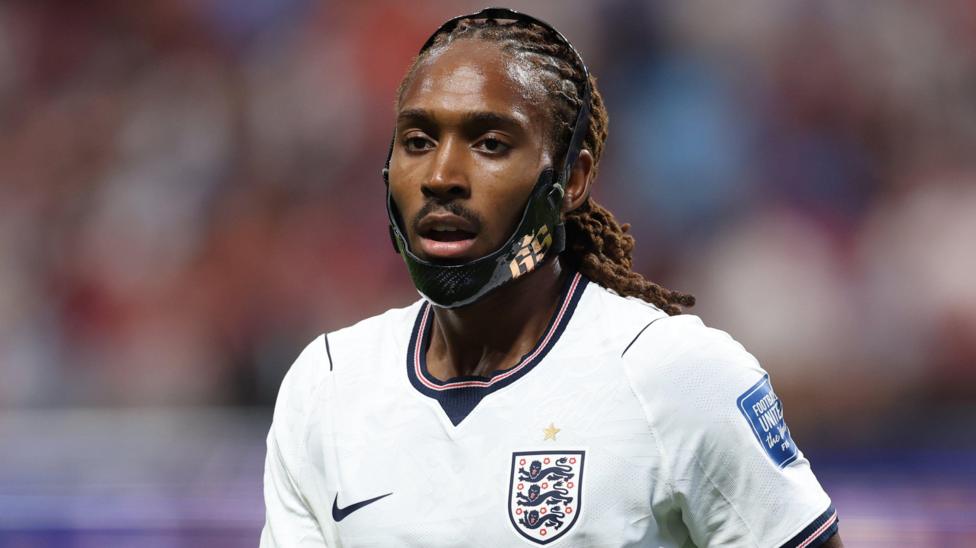
England's Right-Back Curse Strikes Again Before Mexico Clash
Djed Spence's muscular niggle exposes a bizarre positional crisis England engineered entirely by themselves.