Jayden Adams, Safe Spaces, and a South African Football Promise Cut Short
A 25-year-old midfielder who represented South Africa at the World Cup is dead. His coach called the pitch his 'safe space.' That requires examination.
Steve Barker chose his words carefully at a memorial service last Thursday. The veteran junior coach described football as a "safe space" for Jayden Adams, the South Africa midfielder who died this month at age 25.
For young men growing up in communities where structural mobility was restricted by stagnant local economies, the pitch represented one of the few genuinely level surfaces available. Junior coaches like Barker, operating within the South African football pyramid, treat the sport as an intervention tool for youth facing severe economic marginalization.
Adams was born into the early years of newly democratic South Africa. By the time he could walk, the promise of the post-apartheid transition was already stagnating. Stellenbosch, the Western Cape town where the Adams family lived, sits at the center of the country's socioeconomic paradox: the formal extension of the vote to all citizens changed the political machinery, but the material conditions for the majority remained locked in place.
Adams progressed through the Stellenbosch FC Academy, a system built to pull raw talent out of the Western Cape and expose it to professional structures. He developed into a midfielder defined by industry rather than flair, mirroring the environments that shaped him.
Hard-working. Humble. Dedicated to his family and friends. These descriptors, highlighted by those who knew him best, sketch the profile of a player who maximized limited resources. He was never the most technically gifted operator on the ball, but he understood the specific tactical geometry required to disrupt and cover ground.
This profile is the lifeblood of successful mid-table teams and ambitious international sides. Barker's own coaching philosophy, heavily rooted in Stellenbosch's structural development, relies precisely on these characteristics.
The U-20 World Cup Question
Adams earned caps for South Africa, a standard career progression for a domestic-based midfielder performing consistently in the Premier Soccer League. He represented his nation shortly before his unexpected death.
Initial reporting on Adams noted he died "not long after playing at the World Cup." That detail requires scrutiny. South Africa's senior men's national team, Bafana Bafana, has not participated in a FIFA World Cup since the 2010 tournament, which they hosted. Thirteen years before Adams's death, he would have been a child. South Africa did not qualify for the 2014, 2018, or 2022 tournaments.
The reference almost certainly points to the FIFA U-20 World Cup, a standard international progression for a player born around 1998 to 1999. The U-17 and U-20 World Cups are heavily scouted competitions that serve as the formal introduction for young Southern African talent to the European market. Regional reporting routinely shorthands the U-20 World Cup simply as the "World Cup."
A player of his age profile and birth cohort would logically align with the 2019 FIFA U-20 World Cup in Poland. Bafana Bafana competed in that tournament, drawn into Group F alongside Argentina, Portugal, and South Korea. That tournament stands out in South African football memory for the intensity of the youth cohort that attended. The timing fits.
A Memorial in a Compact Football Town
The memorial, held last Thursday, focused on his humility. Stellenbosch is a relatively small football bastion compared to Soweto or Durban. Yet its academy system has become a central production artery for South African football. A death within that compact system reverberates quickly through the tightly knit dressing rooms of the Premier Soccer League.
Clubs in the PSL operate on tight margins. The loss of a contracted player at 25, theoretically approaching his athletic prime and peak market value, forces an immediate reassessment of squad depth and financial planning for his parent club.
More pressing is the psychological toll on the squad. A memorial service uniting junior coaches, current teammates, and family members reveals the deep interconnectedness of these athletes' lives. They share not just training pitches but the identical socioeconomic burdens Adams carried from his youth. The grief is compounded by the realization that a community has lost one of the few who successfully escaped the systemic trap.
Barker's initial quote frames the ultimate measure of his career. Football was his safe space. He reached the highest levels of his profession, represented his country, and provided for his family. But the role of the sport as a refuge from quotidian economic struggle is what defined his existence.
The tragedy lies not just in the loss of a 25-year-old athlete but in the loss of a man who used every available resource on the pitch to shield himself from the systemic deprivations surrounding him.
Editorial Integrity
This is an original SportPulse article written by our editorial team. All content is independently researched, written, and reviewed by our writers and editors before publication. We do not publish copied, aggregated, or syndicated content.
SportPulse is committed to original sports journalism. Read our editorial policy or contact us with any questions.
More Like This
All long-reads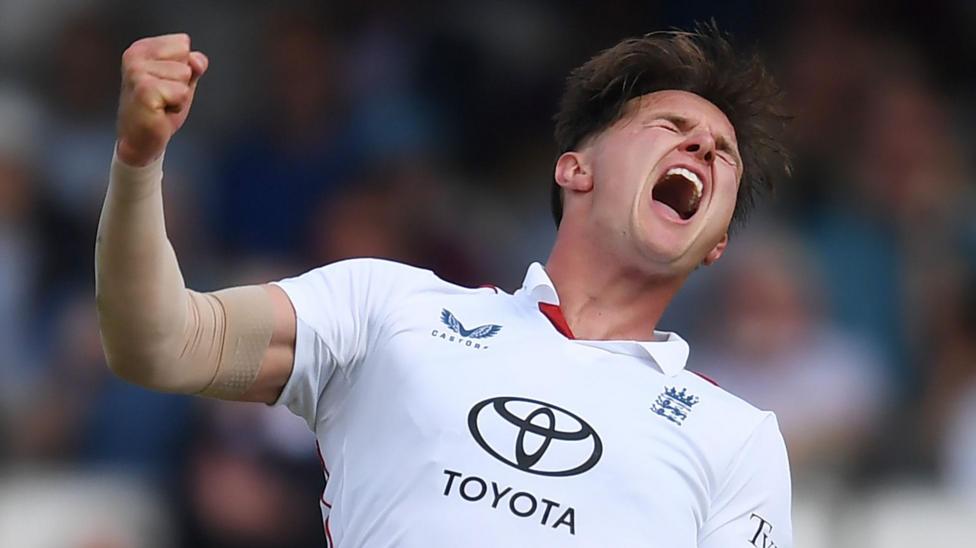
Baker Salvages England Mood After Dark Week
Sonny Baker's composed Test return rescued England morale after a grim week and damning debut memories.
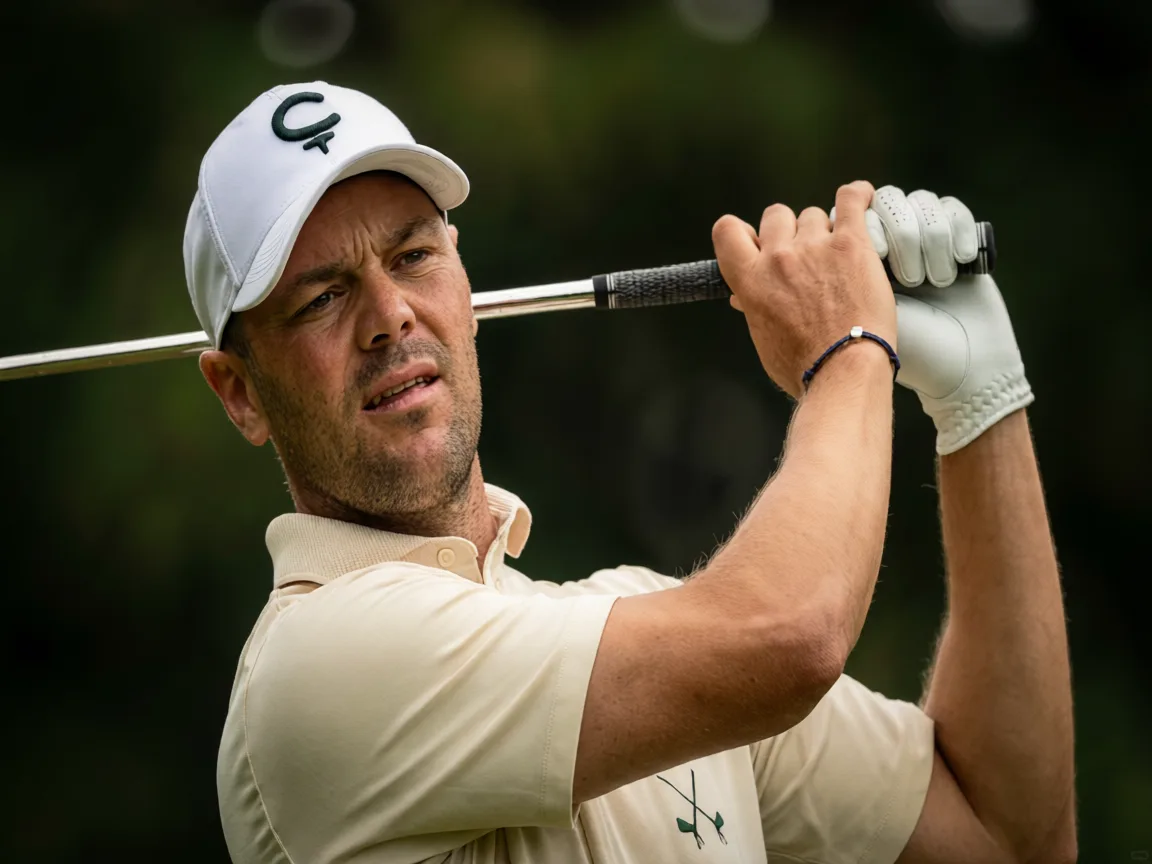
Kaymer: 'Highly Unlikely' LIV's 2026 Team Championship Happens
Martin Kaymer questions LIV Golf's future, saying even the CEO lacks answers about whether the 2026 team event survives.
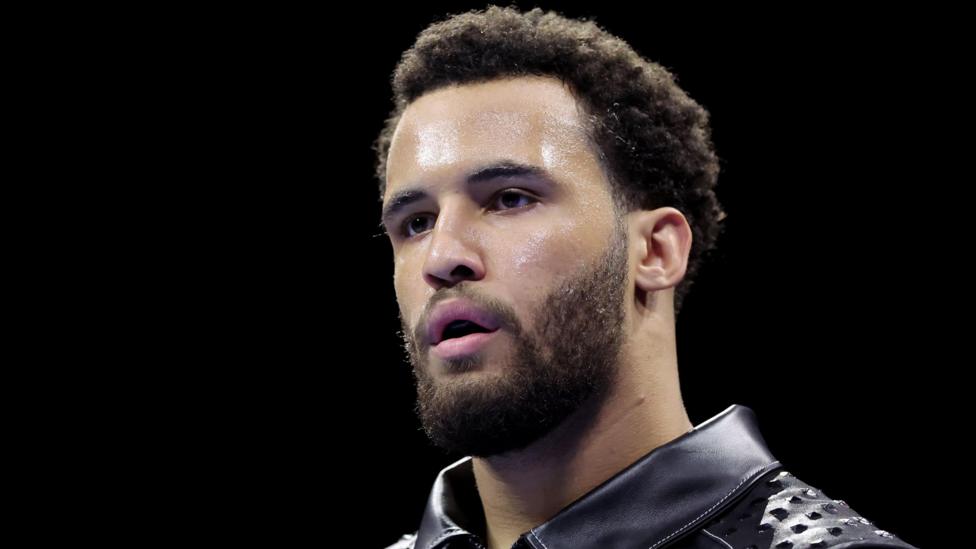
Itauma Fast-Tracked to IBF Title as Heavyweight Reroutes
Moses Itauma's accelerated rise hits overdrive as the IBF orders talks with Frank Sanchez for the vacant heavyweight crown.