Cordina Charged With Assault: From Ring Glory to Legal Peril
Former super-featherweight world champion Joe Cordina faces assault and weapon threat charges, threatening to derail a career built on razor-thin margins.
The tactical brilliance that once defined Joe Cordina's ascent to the super-featherweight summit has encountered a challenge no corner can strategize its way out of. South Wales Police have confirmed that the former IBF super-featherweight world champion and another man have been charged in connection with an incident in Cardiff last February. The charges of assault and threatening another with a weapon represent a seismic shift in the career trajectory of one of Wales's most decorated fighters, moving the narrative decisively from the confines of the ring to the unpredictability of the legal system.
For a fighter whose entire occupational philosophy relied on controlling distance, timing, and space, the loss of control outside the arena is stark. Cordina, 31, now faces a battle where the tactical fouls of the sweet science offer no refuge. The allegations date back ten months, an incubation period that suggests a thorough and methodical police investigation rather than a spontaneous legal counterpunch.
The Architecture of a Champion
To understand the gravity of this disruption, one must examine the meticulous tactical system Cordina constructed under the guidance of trainer Tony Sims. Cordina was never a volume-pressure fighter seeking to drown opponents in output. He operated as a precision-based counter-puncher, orchestrating engagements from the outside and utilizing a high-guard shell to deflect incoming fire before unleashing brutal, fight-altering counters.
His ** IBF title victory** over Kenichi Ogawa in June 2022 was a masterclass in tactical patience. Operating primarily out of a classic orthodox stance, Cordina identified the millisecond gaps in Ogawa's pressure-heavy system and detonated a perfectly timed right hand in the second round. It was a knockout born of systemic preparation, a testament to the philosophy of calculated risk over reckless aggression.
Even in defeat, which arrived via a narrow split decision loss to Anthony Cacace in May, Cordina's structural integrity as a fighter remained evident. He suffered an ocular injury, a detached retina that required surgery, forcing a dramatic pivot in his career timeline. The injury itself demanded a prolonged period of rehabilitation, taking him out of active competition and disrupting the spatial awareness and rhythm essential to his style.
Psychology of the Layoff
When a fighter who relies on split-second timing and defensive reflexes is stripped of competitive action, the psychological toll frequently rivals the physical damage. Cordina's layoff was not a strategic camp adjustment but a medically enforced exile. In that vacuum, the discipline required to maintain the pressure-less but punishing fighting system he perfected can waver.
The transition from the structured environment of a high-performance camp to the monotony of rehabilitation often leaves fighters seeking alternative outlets for their competitive adrenaline. While the specifics of the Cardiff incident remain subject to legal proceedings, the broader pattern of elite athletes faltering during involuntary absences is well-documented. The systemic discipline of daily sparring, weight management, and tactical drilling provides a psychological scaffolding that, once removed, exposes vulnerabilities.
The Professional Record Under Scrutiny
- 18 professional wins, 1 defeat, 1 draw
- 9 wins by knockout, relying heavily on single-punch spatial accuracy
- Former IBF super-featherweight champion, stripped due to injury before regaining the belt
- 0 fights in 2024,叠加 by the ongoing legal investigation
Tactical Shift: The Uncertain Terrain Ahead
Every fighter faces a Tactical Shift at some point in their career, a moment where the trajectory pivots away from the expected progression. For Cordina, this shift arrived not in the ring but in the courtroom. The immediate tactical question now centers entirely on availability and licensing.
British boxing regulatory bodies, particularly the British Boxing Board of Control (BBBofC), maintain strict jurisdictional oversight over the moral and legal standing of licensed fighters. A charge of assault and weapon threat inevitably triggers a licensing review. The board's governing structure allows them to suspend, revoke, or refuse to renew a fighter's license pending the resolution of criminal proceedings. This removes Cordina's ability to schedule a return bout, effectively freezing his competitive timeline indefinitely.
Furthermore, any prospective opponent must now weigh the risk of entering a camp against a fighter whose legal status remains unresolved. The tangible financial guarantees offered by broadcasters like DAZN or TNT Sports evaporate when a main-event participant carries the specter of an impending trial. Promotional entity Matchroom Boxing, which has heavily invested in Cordina's trajectory, faces a logistical and public relations dilemma. Do they continue to allocate budget and promotional bandwidth to a fighter unable to secure a date, or do they reallocate those resources to active, available contenders within their stable system?
"We can confirm that a 31-year-old man from Cardiff has been charged in connection with an incident in the city in February. The matter is now subject to legal proceedings." — South Wales Police statement
The Weight of Consequence
Sport frequently operates under the illusion that athletic brilliance provides an insulating layer against consequence. The reality is far more brutal. If convicted, Cordina faces sentencing that could include a custodial term. Even in the absence of incarceration, a criminal record fundamentally alters the tactical landscape of a professional boxing career, complicating travel visas, securing promotional partnerships, and obtaining licensing across international jurisdictions.
The super-featherweight division offers no respite to the inactive. Cacace now holds the belt, and contenders like Lamont Roach Jr. and Techo Bustos continue to generate momentum through active competition. Boxing's meritocratic structure punishes absence ruthlessly. Cordina's technical proficiency, built on an elite counter-punching system that neutralized the sport's most aggressive operators, requires constant recalibration against live fire. Without it, the timing mechanisms erode. A fighter returning from both ocular surgery and protracted legal battles faces an almost insurmountable deficit in competitive sharpness.
The Road Back: A Fractured Trajectory
The immediate future for Cordina is governed not by training camps or tactical blueprints but by court dates and legal strategies. The pathology of this incident represents a broader challenge in combat sports: managing the volatile psychology of professional fighters outside the controlled environment of the ring.
Cardiff's Motorpoint Arena, the site of Cordina's greatest triumphs, feels considerably distant today. The crowd that roared as he dispatched Ogawa and later secured the IBF belt against Shavkat Rakhimov now watches a different kind of confrontation, one where the rules of engagement are dictated by the Crown Prosecution Service rather than the Marquess of Queensberry Rules.
When and if Cordina returns to the ring, the tactical framework he deployed with such devastating efficiency will require more than physical rehabilitation. The mental architecture of a fighter who can calculate distance and timing to the millisecond must be rebuilt atop a foundation fractured by legal uncertainty. Whether his precision system can survive the most challenging layoff of his career remains the most consequential fight of Joe Cordina's life. The next round will not be fought in the squared circle, but in the procedural confines of a Cardiff courtroom, where the only defense that matters is the one mounted by his legal counsel. The shape of his career now depends entirely on events far beyond the ropes.
Editorial Integrity
This is an original SportPulse article written by our editorial team. All content is independently researched, written, and reviewed by our writers and editors before publication. We do not publish copied, aggregated, or syndicated content.
SportPulse is committed to original sports journalism. Read our editorial policy or contact us with any questions.
More Like This
All long-reads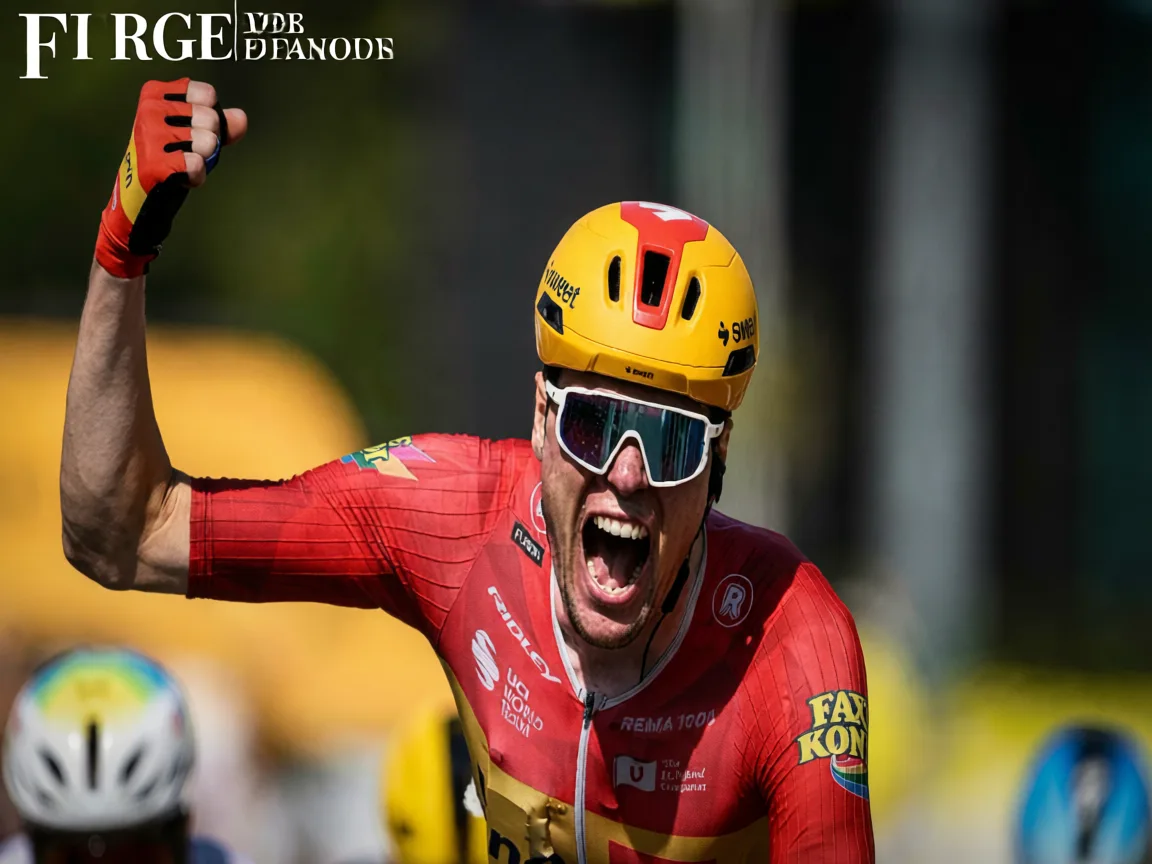
Waerenskjold Stuns Tour Heavyweights in Fastest-Ever Stage Speed Trap Shock
Søren Wærensld caught the sprint elite napping with a long-range heist rewriting Tour de France history at record speed.

When Rankings Actually Mean Something: The World Cup's Top Four Rarity
FIFA rankings usually miss the mark, but when the top four collide in semi-finals, statistics reveal a tournament predicting itself.
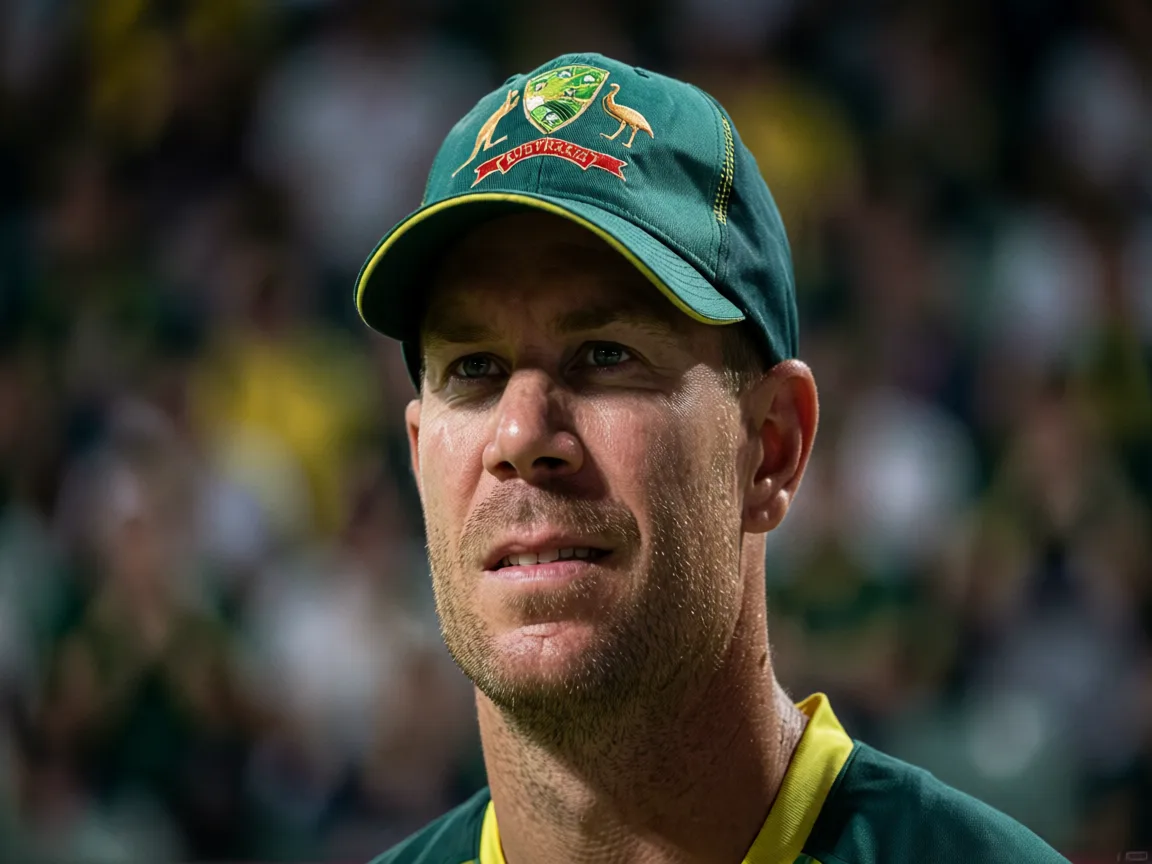
Warner Pleads Guilty to Drink Driving Charge in Sydney
Former Australia opener David Warner has pleaded guilty after failing a random breath test in Sydney earlier this year.