The Knicks Crowned 2026 Champions: Why New York Owns the NBA
New York's 2026 NBA title isn't just a basketball story; it's the culmination of a systemic roster build meeting a city-wide vibe shift.
The New York Knicks are NBA champions. Let that marinate. In a league increasingly dominated by small-market sustainability and superteam migrations, the biggest market of them all just swallowed the whole board. The 2026 NBA Playoffs delivered a postseason that doubled as a sprawling psychodrama, ending with the Knicks hoisting the Larry O'Brien. This wasn't an accident of fate. It was the inevitable collision of a flawlessly executed roster construction and a city that finally remembered how to breathe.
The Blueprint: How the Knicks Rewrote the Map
Winning a title in the modern NBA requires more than just stacking All-Stars; it demands contractual dexterity and an understanding ofDraft capital as the ultimate currency. The Knicks front office, helmed by a ruthless executive core, navigated the second apron constraints better than anyone in the league. They didn't just buy talent. They engineered financial flexibility to retain it.
Consider the architecture. The front office leveraged their 2025 first-round pick to acquire the defensive anchor that ultimately shifted the Eastern Conference balance of power. They signed their core extension targets to deals that looked like bargains within 18 months, all before the new CBA penalties fully kicked in. The result was a roster that could sustain the physical toll of a 20-game postseason gauntlet without losing its rotational identity.
- $189 million committed to the starting five for the 2025-26 season
- 3 draft picks traded at the deadline to solidify wing depth
- 0 losses when leading entering the fourth quarter during the playoffs
This wasn't a franchise stumbling into luck. It was a front office playing chess while the rest of the league debated the rules of checkers.
The Vibe Shift: More Than Basketball
Sometimes the math doesn't tell the whole story. Sometimes, it's just your year. When infectiously optimistic young mayor Zohran Mamdani was elected this past fall, there was a palpable vibe shift in the city. That's not to say there's a direct correlation between the New York Knicks being NBA champions and the era of buoyant positivity permeating the city, but it's also not to say there's not one.
The civic momentum was real. New York felt lighter, more aggressive, more alive. The Knicks absorbed that energy and weaponized it. Madison Square Garden transformed from a pressure cooker into a launchpad. The 14-2 home record throughout the playoffs wasn't just about the dimensions of the court. It was about an entire metropolitan area believing that the WAIT WAS OVER.
"Sometimes a city just decides it's done waiting. The energy in the Garden wasn't noise; it was a demand." - Broadcast commentary during the Eastern Conference Finals.
Other American cities will, inevitably, have their moment in the sun again soon. But 2026 is the year of New York (someone get that memo to the Mets). The Knicks didn't just win basketball games; they captured the psychological rhythm of a city reborn. That intangible momentum manifests in loose balls, successful sideline out-of-bounds plays, and the sheer refusal to折叠 under pressure.
Fit Check: The Roster That Maximized Every Dollar
How did this specific group of players bring it home? It comes down to system fit and developmental trajectory. The front office didn't just chase names. They identified high-floor, high-ceiling talent that mirrored the head coach's demands.
-
The Defensive Infrastructure - The Knicks operated a switch-everything scheme that required plus defenders at four positions. The front office acquired exactly that. Lineups featuring their core defenders held opponents to 101.3 points per 100 possessions during the postseason, a mark that leads all championship teams of the last half-decade.
-
The Shot-Creator Equilibrium - Historically, New York teams have failed when they relied on a single heliocentric star to generate all the offense. This squad featured 4 different players averaging at least 15 points in the Finals. The redundancy allowed them to survive the cold shooting nights that inevitably derail top-heavy rosters.
-
The Extension Bargain - Locking in the second option to a $148 million extension before the season looked like an overpay at the time. By March, it looked like grand larceny. That financial discipline allowed the team to use the Taxpayer Mid-Level Exception to sign the veteran big man who provided 14 crucial minutes in the title-clinching game.
The development of guys drafted outside the lottery cannot be overstated. The 34th overall pick from two years ago evolved into the connective tissue of the second unit, quietly expanding his three-point volume to 38.4% on over four attempts per game. That is where cap championships are forged.
The Thunder Weren't Inevitable
Perhaps the greatest lesson of this postseason is that inevitability is a myth. For 18 months, the narrative surrounding the NBA was heavily focused on the organization out West and their seemingly unlimited draft capital. They had the picks. They had the timeline. They had the aura of a dynasty.
The playoffs exposed the gap between theoretical dominance and practical execution. The Western Conference champs ran into a Knicks squad that processed the game at a different emotional frequency. Possession basketball ebbs and flows are dictated by momentum more than math. New York didn't out-compute their opponents. They out-willed them, out-muscled them, and ultimately out-last them.
The league's psychodrama of moments, memes, and memories hit differently in June. The Thunder's aesthetic perfection met the Knicks' grimy, relentless reality. Reality won. The myth of the inevitable superteam died on the Garden hardwood.
What This Changes Moving Forward
The ripple effects of this New York title will reshape franchise strategies across the association. For years, the template was clear: strip the roster, accumulate picks, and pray to the lottery gods. The Knicks just proved that aggressive consolidation, not endless asset hoarding, is the modern championship pathway.
Expect the upcoming offseason to feature a flurry of draft-pick swaps as general managers attempt to mimic New York's timeline acceleration. The 2026 NBA Draft will see multiple franchises attempting to push their chips in for established veterans rather than waiting on probability charts.
Furthermore, the second-apron restrictions just claimed their first real casualty during this playoff run. A spiked contender saw their depth crater due to hard-capped roster limitations, a stark warning that will influence front office behavior for the next half-decade. The front office in New York saw this future coming two years ago and acted preemptively. Now, everyone else has to catch up to a market that never sleeps, and a roster that never stopped growing.
Bottom Line: The Knicks didn't just win a title; they validated a roster-building philosophy that prioritizes immediate fit and financial agility over endless accumulation.
Editorial Integrity
This is an original SportPulse article written by our editorial team. All content is independently researched, written, and reviewed by our writers and editors before publication. We do not publish copied, aggregated, or syndicated content.
SportPulse is committed to original sports journalism. Read our editorial policy or contact us with any questions.
More Like This
All basketball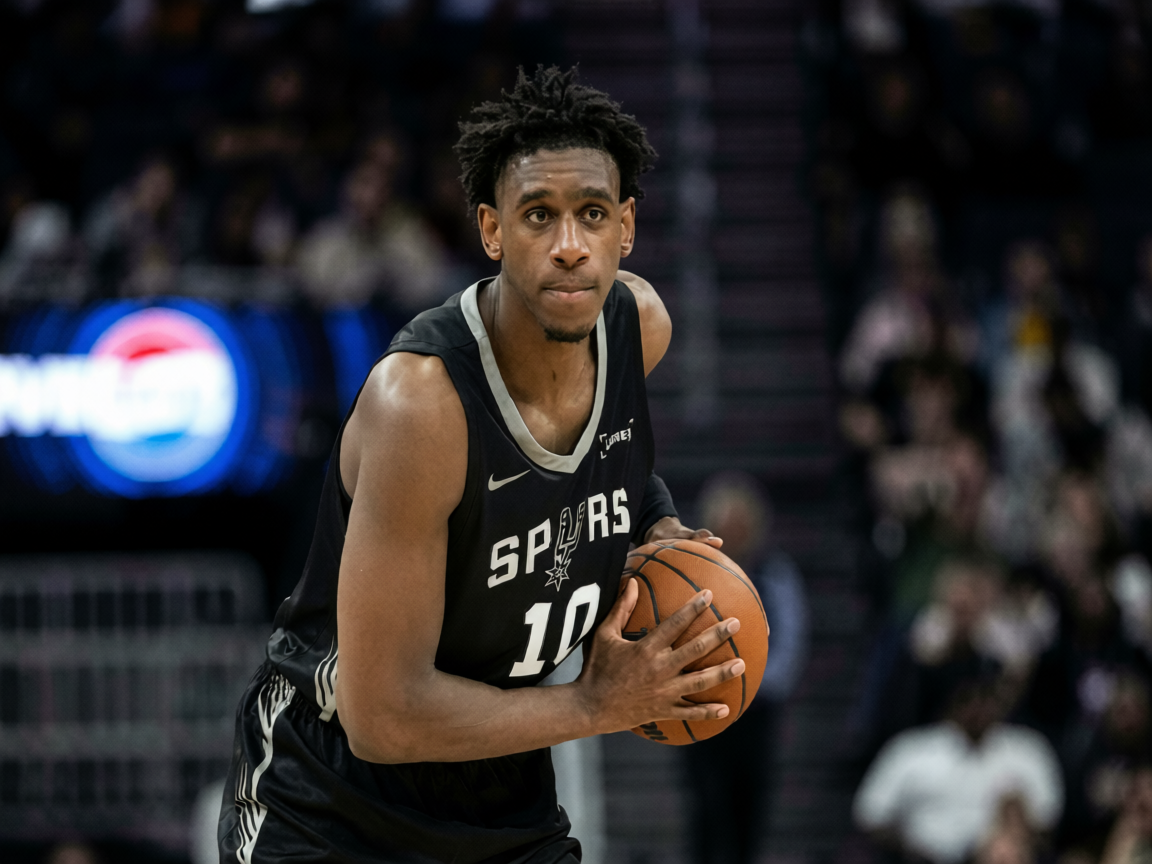
Reed and Gillespie Turn Summer Noise Into Real Signal
San Antonio's 0-3 California Classic run hides a truth: their rookies are already proving they belong.
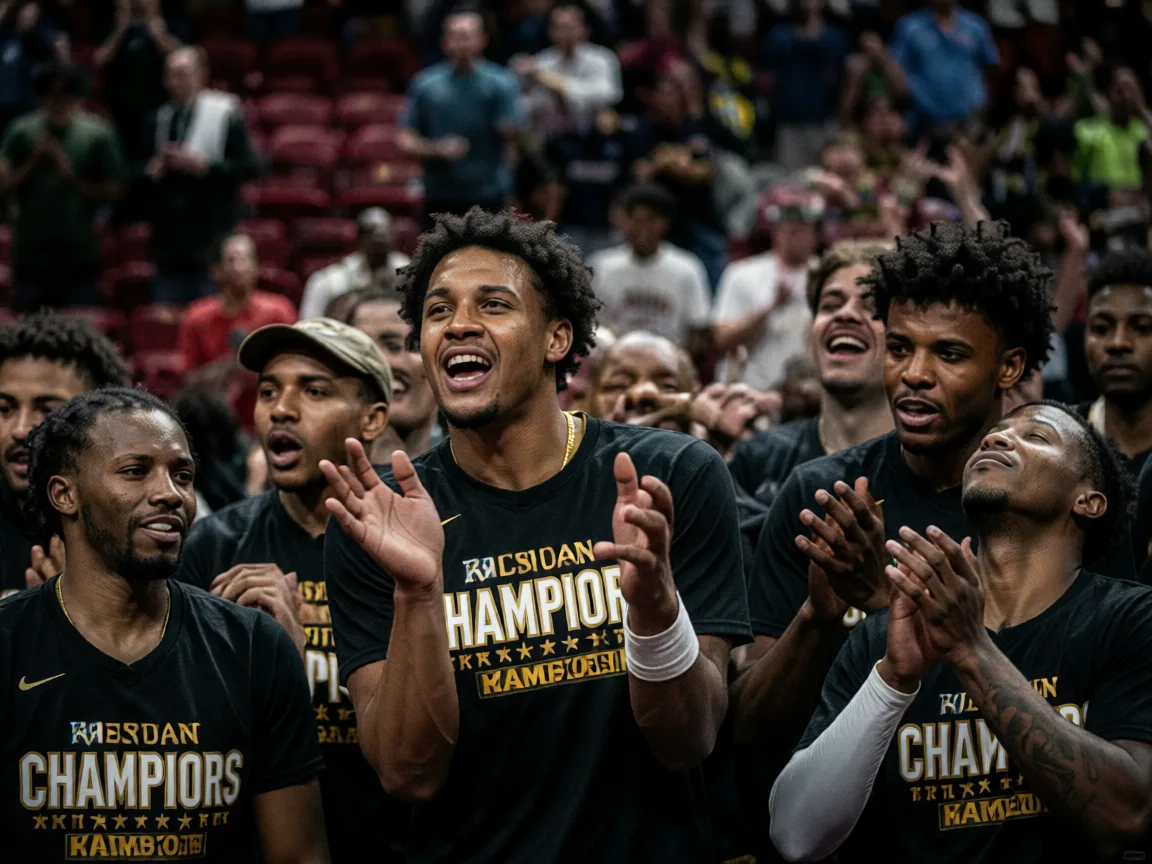
Vegas Notebook: The Top Four Deliver, and Two Second-Rounders Steal the Show
Ten days in the desert confirmed the draft hype, but a Warriors gem and a Cavaliers steal wrote the better stories.
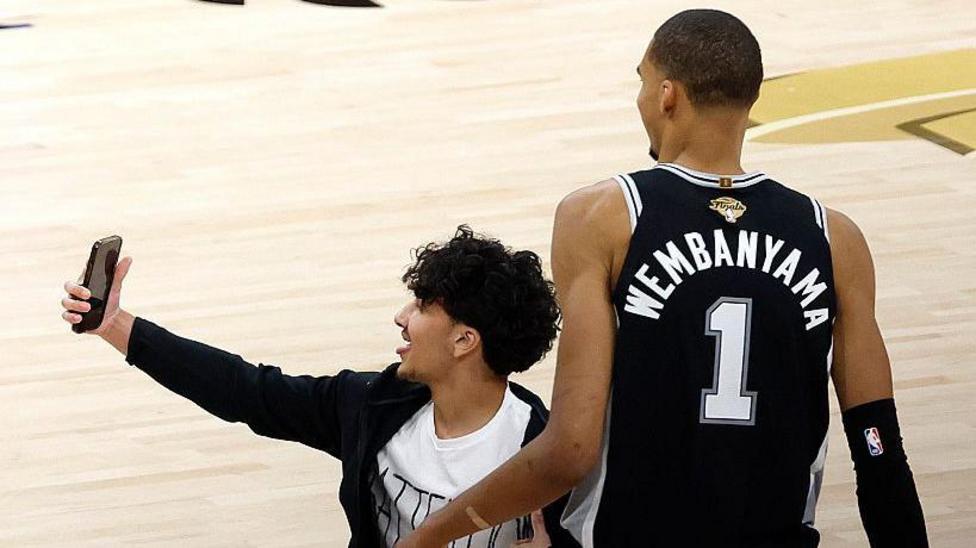
Silver Cracks Down: NBA Declares War on Court Invasions
Adam Silver warns the NBA's massive platform invites reckless behavior, signaling dramatic consequences for court invaders.