Fifty-Three Years of Ghosts Banished in Midtown Mayhem
A half-century of heartbreak erupts into euphoria as the Knicks capture their first NBA title in 53 years, drowning Manhattan in orange and blue.
Steam rose from the asphalt on Seventh Avenue, mixing with the confetti that fell like orange and blue snow. For the first time in over half a century, the breath of a city exhaled not in anxiety, but in absolute, unbridled release. Midtown Manhattan, usually a corridor of stoic commuters and glaring headlights, became a cathedral of sound on Saturday night. Car horns blared in off-beat rhythms. Strangers leaped into each other's arms. A fire hydrant on 34th Street erupted, spraying a geyser of water over a crowd that did not care they were soaking wet. They were too busy screaming to the heavens.
The New York Knicks are champions of the basketball world. Let the sheer weight of that sentence settle. 53 years of waiting, wishing, and mourning vanished in the span of forty-eight minutes of hardwood warfare. The infamous drought is dead. The ghosts that have haunted Madison Square Garden for generations have finally been exorcised.
The Weight of the Garden's Shadows
To understand the pandemonium that seized New York's streets, you first have to understand the silence that preceded it. The Knicks' history since the early 1970s was not merely a tale of losing. It was an exercise in prolonged, agonizing theatricality. Willis Reed's limping heroics in 1970 and the second title in 1973 set a standard of basketball deity that every subsequent generation failed to reach. The franchise became a mausoleum of past glory, attended by millions but offering no new sermons.
There were the near-misses that scarred the soul of the city. The agonizing 1994 Game 7 loss to Hakeem Olajuwon and the Houston Rockets, when Patrick Ewing's finger roll cruelly rimmed out. The 1999 season, where an eighth seed magically clawed to the Finals only to be dismantled by the San Antonio Spurs. And then the dark ages. The Isiah Thomas era. The dysfunction. The bloated contracts. The empty promises. The Garden sat empty during springtimes meant for glory, becoming a monument to shattered expectations.
"This isn't just a win. This is the lifting of a curse we've carried since before most of us were born."
Every failed draft pick, every questionable trade, every free-agency swing and miss compounded the misery. The city's basketball identity became tied to suffering. The famous 'Knicks Tape' culture on social media was built on laughing through the pain. But beneath the memes, a raw nerve pulsed. A fan base that fills the most famous arena in the world night after night, paying the highest prices in the league, demanding excellence and receiving dust. Until now.
The Alchemy of a Renaissance
Turnarounds of this magnitude in professional sports do not happen by accident. They are engineered through a ruthless alchemy of patience, cultural reset, and sheer competitive will. The architects of this resurrection did not look for quick fixes. They embraced the grime and the grind necessary to build a winner in the Eastern Conference.
The front office gambled on player development over splashy, shortsighted acquisitions. They drafted not just for talent, but for a specific type of psychological resilience. They needed players who could absorb the gravitational pressure of playing in New York, where the media dissects every turnover and the fans demand maximum effort every possession. Slowly, a roster formed that mirrored the city itself: unapologetic, tough, relentless, and deeply connected to its own identity.
Defensively, they constructed a fortress. Over the course of this championship season, the Knicks held opponents to a defensive rating that ranked among the elite in the franchise's storied history. They suffocated teams on the perimeter, collapsed the paint with physical impunity, and turned rebounds into violent fast breaks. Offensively, they shed the stagnation of old iso-ball. The ball moved. It hummed across the perimeter, finding the open shooter, punishing defensive rotations, playing with a joyous rhythm that stood in stark contrast to the grim, exhausting offenses of the past two decades.
Crucially, the stars aligned. The foundation avoided the catastrophic injuries that derailed previous promising campaigns. The supporting cast outplayed their contracts. The head coach, previously a lightning rod for criticism, imposed a system that finally weaponized the Garden's energy rather than shrinking beneath its spotlight. The pillow of noise that once drowned out hopeless rosters became a weapon deployed by a hardened contender. By the time the playoffs arrived, the rest of the league sensed an inevitability about the Knicks that hadn't existed since the days of Frazier and Monroe.
Pandemonium on Seventh Avenue
Madison Square Garden is situated atop Pennsylvania Station, a pulsing artery of the city. When the final buzzer echoed through the boroughs, that artery ruptured. The barriers erected for crowd control were stripped of their purpose. Tens of thousands of euphoric fans poured out of the arena's exits and spilled into the broader avenues, turning the concrete canyons of midtown into a surreal, chaotic block party.
Climbing. Screaming. Weeping.
Fans scaled lampposts, waving oversized banners that had spent decades gathering dust in closets. The iconic TKTS red steps in Times Square became a mosh pit of swaying, chanting bodies, their voices merging into a single deafening roar that bounced off the glowing billboards above. Vintage Patrick Ewing jerseys, threadbare and faded, stood shoulder-to-shoulder with the fresh, pristine threads of the current roster. Three generations of anguish reconciled in a single, breathless celebration. Fathers hoisted daughters onto their shoulders, pointing at the screens replaying the final moments, a quiet nod to the decades they spent waiting for this very visual.
The escalation of joy was matched only by its spontaneity. There was no coordinated parade route yet. There was only the raw, untamed energy of a city that had finally exhumed a burden from its chest. Taxis honked in unison as they inched through the throngs, drivers high-fiving pedestrians through open windows. A brass band materialized on a street corner, belting out jazz standards that were swallowed by the chants of the crowd. Clouds of cigar smoke drifted into the night sky, an ode to the late Red Holzman and the championship rituals of a bygone era. For one night, the city that famously never sleeps refused to even blink.
The Afterglow of a Long-Awaited Dawn
The morning after a championship in New York brings a unique hangover. The confetti will be swept away. The city's sanitation department will hose down the streets, erasing the physical remnants of the riot. But the psychological landscape of the city's basketball culture has shifted permanently.
The narrative of the Knicks as a tragic, cursed franchise has been incinerated. In its place stands a reigning champion with a championship infrastructure, a fan base that has tasted the ultimate victory, and an organization that finally understands the pulse of its city. The pressure that once suffocated franchise cornerstones will now be recalibrated. The Garden is no longer a graveyard of expectations. It is a vault of champions.
What this means for the future cannot be overstated. In the modern NBA, the first title unlocks the box to sustained dominance. It validates every system, every grueling film session, every agonizing sprint drill. It makes the franchise a destination for free agents who previously viewed New York as a glamorous trap. It gives the current core the unshakeable confidence of knowing they are the ones who scaled the highest mountain after everyone told them it was a cliff.
The parade will wind through the Canyon of Heroes in the coming days, a ritual reserved for the immortals of the city's sporting pantheon. Millions will line the streets, screaming until their lungs give out. But long after the floats are parked and the last echo of celebration fades, the number will remain. Fifty-three years is a lifetime. It is an era of waiting that spanned presidencies, cultural revolutions, and the complete transformation of a global metropolis. It was an absence so profound that it became a personality trait.
Not anymore.
Editorial Integrity
This is an original SportPulse article written by our editorial team. All content is independently researched, written, and reviewed by our writers and editors before publication. We do not publish copied, aggregated, or syndicated content.
SportPulse is committed to original sports journalism. Read our editorial policy or contact us with any questions.
More Like This
All basketball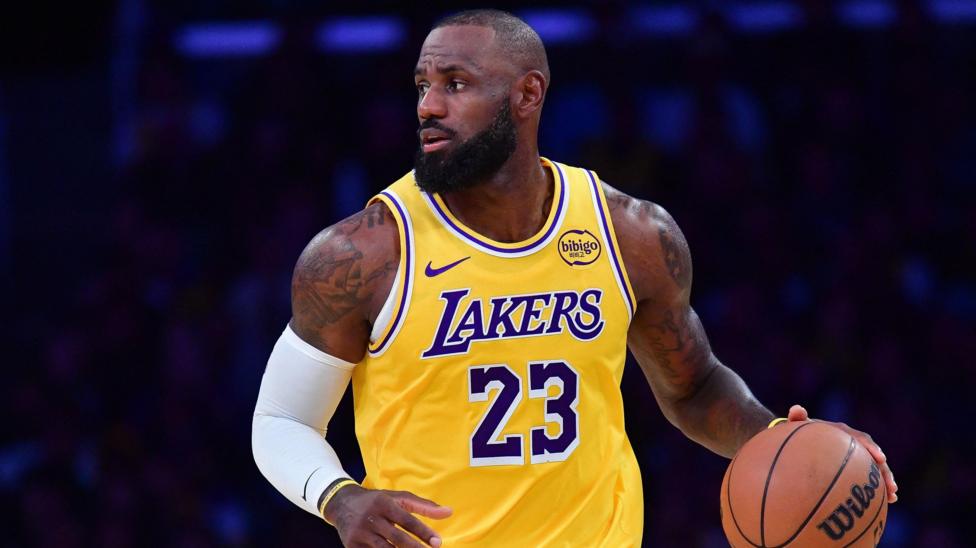
LeBron James Done With Lakers — Warriors in the Frame
The greatest player of his generation is walking away from Los Angeles, and Golden State is circling.
AJ Dybantsa and the Night the Workforce Wins
AJ Dybantsa headlines the 2026 NBA Draft, but the real story is the contrast in cultures shaping the league's next wave.
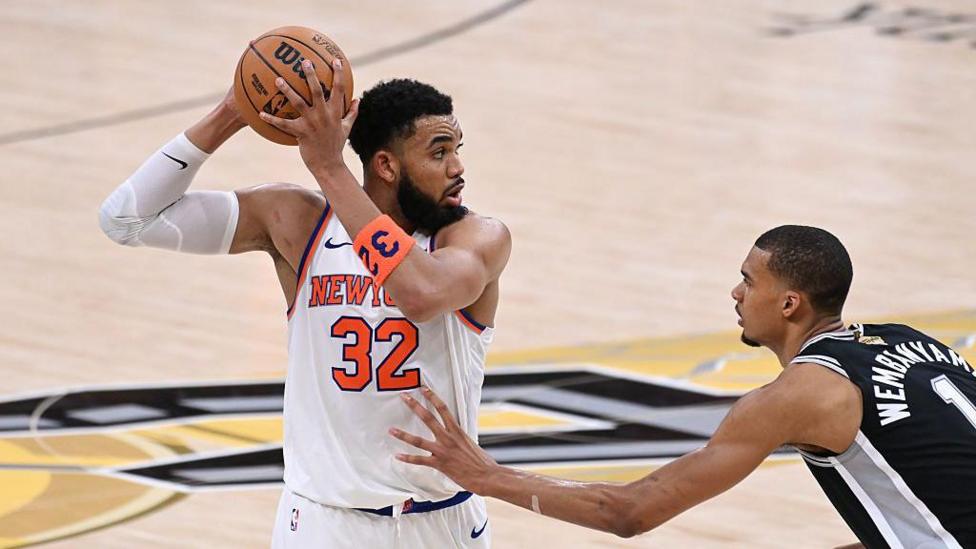
Knicks Stun Spurs in Game 1 Finals Comeback
New York erased a 14-point third-quarter deficit to steal Game 1 of the NBA Finals in San Antonio.