Knicks Championship Completes a Generational Journey Decades in the Making
The New York Knicks' 2026 NBA title does not erase past heartbreaks; it validates the generational faith of a fanbase that refused to let go.
A Championship Decades in the Making
Every franchise transaction, every draft selection, and every free agency pursuit over the last half-century has been pointing toward this singular objective. For the New York Knicks, winning the 2026 NBA Championship is not just a roster construction victory. It is the culmination of a generational pact between a franchise and a fanbase that refused to release its grip. The confetti falling at Madison Square Garden settles a debt that has been compounding since 1973.
This title does not erase the organizational missteps of the past. Instead, it completes the journey. When fans chose this franchise, they were choosing to sustain a bond forged in living rooms and arena stands, passing loyalty down like an heirloom. The championship is the final piece of a fractured puzzle that fans have been assembling through decades of disappointment.
The Architecture of Endurance
To understand the magnitude of this moment, you have to measure the depth of the valley traversed to reach this summit. The Knicks' championship drought stretched across 53 years, a span that tested the limits of civic devotion. This is not a market that simply tolerated losing; it is a market that burned with impatience while simultaneously refusing to look away.
The franchise operated for decades without the foundational stability required to sustain contention. From the Isiah Thomas era front-office dysfunction to the Carmelo Anthony trade that mortgaged the future, the Knicks repeatedly bypassed sustainable team-building for speculative shortcuts. The result was a rotating door of expensive, ill-fitting rosters and a depleted asset cabinet.
The shift in philosophy finally arrived when the front office embraced draft capital and player development over splashy, chemically reactive signings. Acquiring foundational picks like RJ Barrett at No. 3 overall and hitting on late-first and second-round talent allowed New York to build an internal core. The subsequent trade for a legitimate superstar elevated the floor, but it was the retention of draft equity and cap flexibility that allowed the roster to withstand the pressures of a 182-game gauntlet through the regular season and playoffs.
What the Numbers Say
The stark reality of Knicks fandom is written in the agonizing data of near-misses and catastrophic collapses.
- 53 years since the last NBA championship in 1973
- 1 Eastern Conference Finals appearance between 2000 and 2023
- $1.4 billion in cumulative luxury tax penalties paid for rosters that failed to reach the second round
- 4 head coaches fired in a ten-year span between 2014 and 2024 before establishing rotational stability
The financial bleed and the emotional tax were inseparable. Management shelled out premium dollars for rosters that consistently underdelivered on the court while overdelivered on off-court drama.
"We decided long ago that we would not leave this to chance. We decided deliberately and a little defiantly, the way we have decided most things in our lives."
This fan ethos defined the era. Knicks fandom was not passive consumption. It was an act of daily defiance against a competing market that constantly offered more efficient avenues for sporting success across the river in Brooklyn or across the Hudson in New Jersey.
The Fit Check
Roster Construction Meets Systemic Identity
Modern NBA champions are not simply collections of talent; they are highly specific ecological systems. The Knicks' eventual breakthrough occurred because the front office finally matched roster construction to the systemic identity of the city.
New York requires a brand of basketball that mirrors its environment: relentless, physical, and unapologetically confrontational. The roster had to fit that milieu. Drafting and trading for players who possessed switchable defensive versatility and redundant rim-pressure skills was the key.
- The Defensive Anchor - Acquiring a rim-protecting, screen-navitating big allowed the perimeter defenders to aggressively gamble without catastrophic backline consequences.
- The Wing Depth - Stockpiling 6-foot-7 plus wings who can guard positions 2 through 4 ensured survival against the positionless offenses of the Eastern Conference elite.
- The Shot Creation Axis - Pairing a primary pick-and-roll facilitator with an isolation scorer gave the offense the emergency valve it needed during the playoff's grittiest possessions.
The fit was finally correct. The players did not just possess theoretical talent; they possessed the specific anatomical skills required to execute a bruising, postseason-tested system.
The Weight of the Unchosen Thought
For the older generation of Knicks fans, this championship carries an existential weight that eludes standard sports analysis. Fandom, at its core, is an act of attempting to control the uncontrollable. You cannot dictate the bounce of the ball, the health of a star's knee, or the whims of an unpredictable owner. But you can dictate your loyalty.
Many fans explicitly chose the Knicks to anchor a familial bond. The choice was deliberate, almost defiant, in the face of a metropolitan landscape that offered infinitely easier paths to sporting gratification. They chose the agony of Reggie Miller's 8 points in 9 seconds. They chose the heartbreak of Patrick Ewing's finger roll bouncing off the rim. They chose the dysfunction because choosing the team was indistinguishable from choosing their fathers, their siblings, and the memories baked into the arena's concrete.
"I became a fan of this team to connect with my father. Their NBA championship does not erase the heartbreaks and hurt of the past. It completes the journey."
The retelling of these past tragedies is necessary context. The heartbreaks were the crucible. Without the 1997 suspensions, the 2004 collapse against the Nets, and the 2021 octave of injuries, the joy of the present is unrecognizably hollow. The pain was the prerequisite.
The Bigger Picture
How does this reshape the Eastern Conference landscape moving forward? The Celtics' window is constricting under the weight of $400 million in combined salary and luxury tax penalties. The Bucks' core is aging out of its athletic prime. The 76ers remain a medical mystery on an annual basis.
New York now occupies the rarefied air of the defending champion with a roster constructed to endure. No albatross contracts tie the franchise to declining veterans past their primes. The draft pick coffers, while partially depleted from the aggressive win-now maneuvers, still hold enough future capital to supplement the core through cost-controlled rookie deals.
The market effect is also undeniable. Madison Square Garden transforms from a haunted cathedral of near-misses into the undisputed epicenter of professional basketball. Free agents will no longer view the Knicks as a lucrative graveyard for legacy stars. They will view New York as a destination where winning is a present reality, not a distant promise.
For the fanbase, the paradigm shifts permanently. The generational anxiety that accompanied every playoff possession evaporates. No longer will a 15-point lead in the third quarter feel like a vulnerable deficit. The championship validates the decades of emotional investment, proving the defiance was not misguided but merely severely delayed.
Bottom Line: The Knicks' title validates a half-century of defiant loyalty, completing a generational journey rather than erasing its painful chapters.
Editorial Integrity
This is an original SportPulse article written by our editorial team. All content is independently researched, written, and reviewed by our writers and editors before publication. We do not publish copied, aggregated, or syndicated content.
SportPulse is committed to original sports journalism. Read our editorial policy or contact us with any questions.
More Like This
All long-reads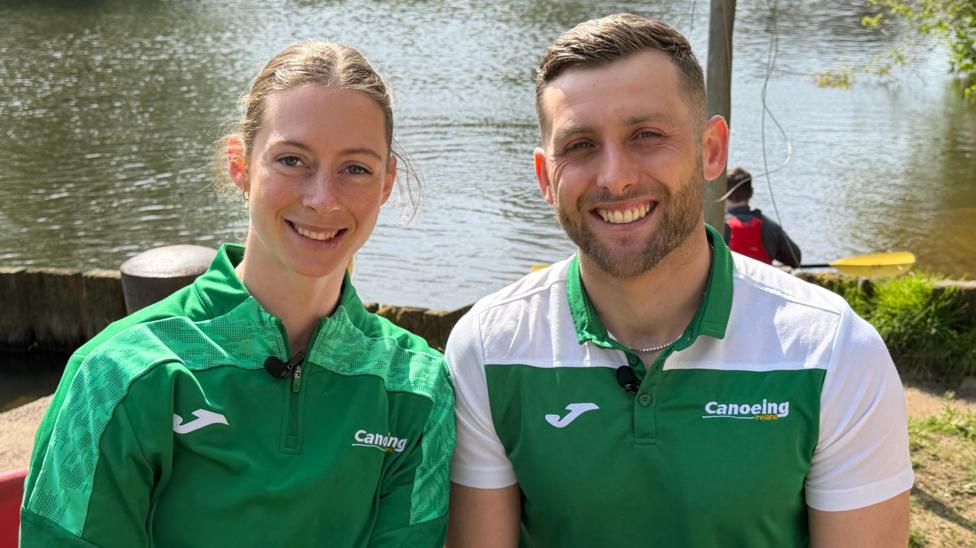
Cochrane Couple Chases 2028 Olympic Dream Together
Newlyweds Jake and Georgina Cochrane swap wedding vows for Olympic ambitions, targeting LA 2028 in canoe slalom.
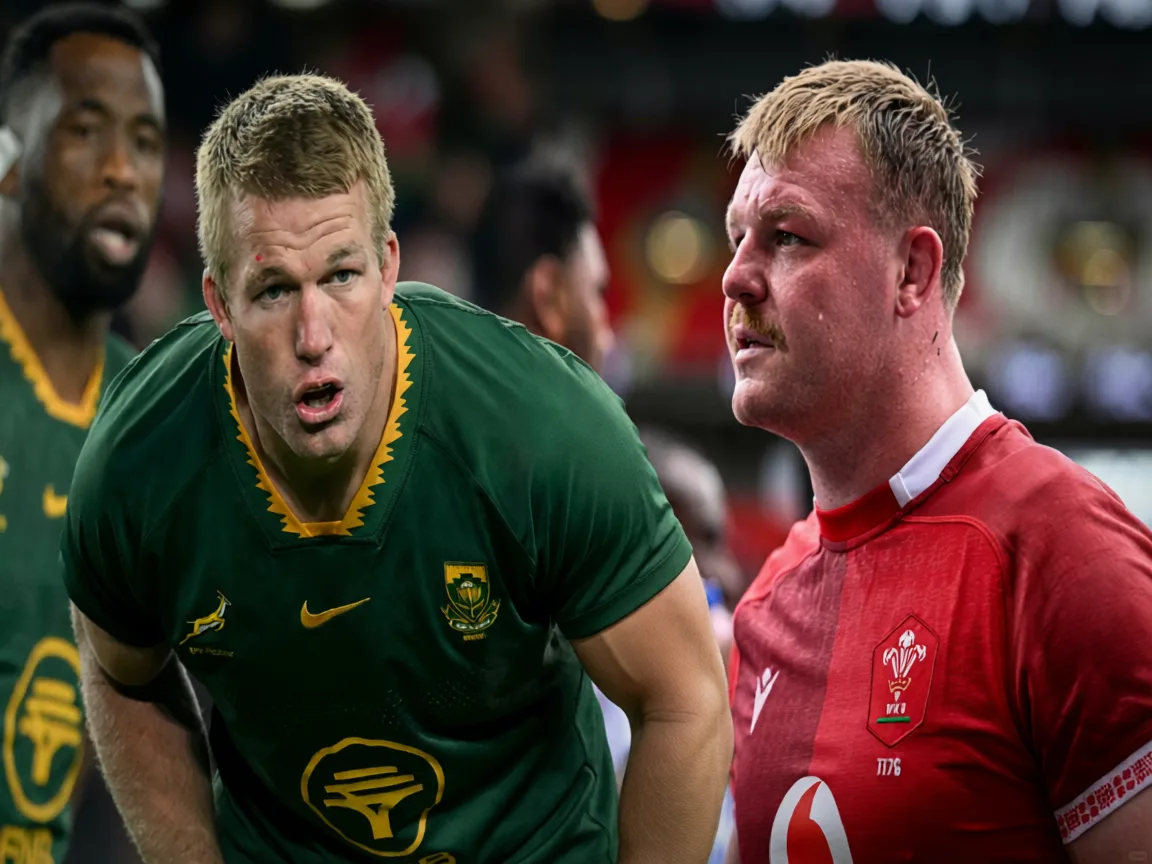
Wales Face Defining Moment Against South Africa in Durban
After ten relentless months, Wales arrive in Durban chasing a statement result against the world champion Springboks.
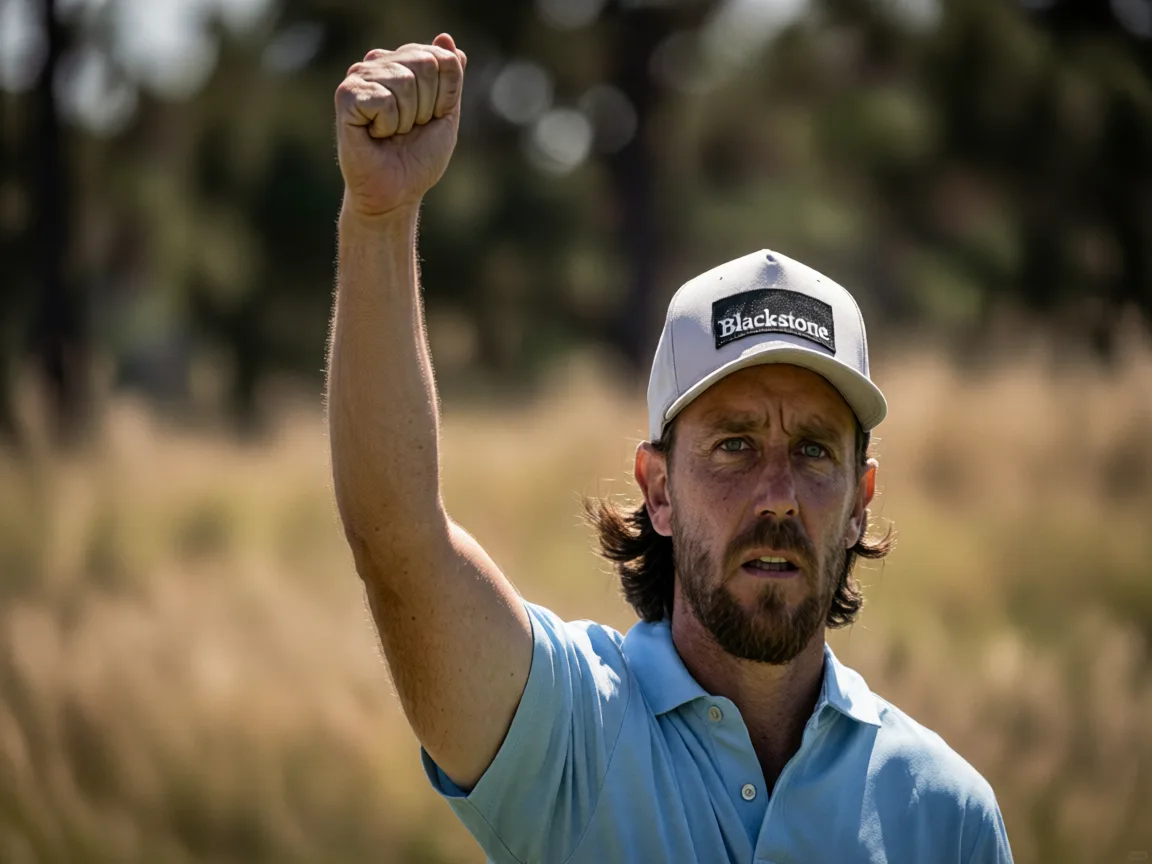
Tactical Savvy At Royal Birkdale: How Skill Won The Open
Fleetwood, McIlroy, and Fox delivered a masterclass in links golf strategy during the final round of the 2026 Open Championship.