Koeman Walks Away as Racist Abuse Shadows Netherlands' World Cup Exit
Ronald Koeman quits after a tournament exit marred by vile racist attacks on players who stepped up to take penalties.
The Final Whistle Heard Around Dutch Football
Ronald Koeman has resigned as manager of the Netherlands national team. The decision comes in the wake of a gut-wrenching World Cup exit that ended in a penalty shootout, and an even uglier aftermath that no one in Dutch football can look away from.
The players who stepped up to take penalties, the ones who volunteered for the loneliest walk in football, were subjected to racist abuse in the fallout. The Dutch football association (KNVB) described the attacks as "appalling." Koeman, it appears, decided the environment was no longer one in which he could lead.
"This is not what football should be. This is not what this country should represent."
The resignation was swift, almost surgical. No drawn-out saga, no weeks of speculation about a contract extension. Koeman saw enough, and he walked.
A Tournament That Unraveled
The Netherlands entered the World Cup with genuine optimism. Koeman had rebuilt the squad after his first stint as manager, instilling a system that leaned on defensive solidity and quick transitions. For stretches of the group stage, it worked. The Dutch looked organized, clinical, dangerous.
But knockout football is a different beast. The margins shrink. Mistakes become fatal. And when the match went to penalties, the Netherlands came up short.
Penalty shootouts have long been the Dutch national team's deepest wound. The history is brutal: semifinal heartbreaks in 1998 and 2014, and a consistent feeling that the Netherlands simply cannot handle the psychological weight of twelve yards. This exit only added another chapter to that painful narrative.
The Weight of the Miss
There is a particular cruelty to missing a penalty in a World Cup shootout. The player walks forward knowing that a nation's hopes rest on one swing of the leg. Millions watch. The goalkeeper knows it. The taker knows it. And when the ball doesn't find the net, the aftermath can be vicious.
But vicious is one thing. Racist is another entirely.
The players who missed for the Netherlands did not choke. They did not lack courage. They walked to the spot when others wouldn't. What they received in return was not criticism of their technique or their nerve. It was racist bile, with players targeted by torrents of online abuse, including monkey emojis, the N-word, and direct messages telling them to "go back to your country" and that they did not belong in the Dutch shirt. The kind of abuse that has no place in any stadium, any social media thread, any conversation about sport.
Koeman's Second Chapter Closes
Koeman's return to the Netherlands job was supposed to be a redemption arc. His first stint, from 2018 to 2020, had been largely successful. He guided the team to the Nations League final in 2019, losing narrowly to Portugal. The football was pragmatic but effective. Koeman understood the talent at his disposal and built a system that maximized it.
Then Barcelona came calling. The allure of Camp Nou proved too strong. Koeman left for Catalonia in August 2020, inheriting a club in financial freefall and sporting disarray. His tenure at Barcelona was turbulent, marked by inconsistent results and a boardroom that seemed to undermine him at every turn. He was sacked in October 2021.
The return to the Netherlands felt like a homecoming. Koeman knew the players. He knew the federation. He knew the expectations.
"The bond with this group was special. What happened after the match was not something anyone should have to face."
But knowing a job and surviving the emotional wreckage of a World Cup exit are two very different things. The racist abuse clearly weighed heavily on Koeman. A manager's role extends beyond tactics and substitutions. He is the shield between the players and the outside world. When that shield fails, when the attacks come from within the very fanbase he represents, the psychological toll is enormous.
The Scourge of Racism in Football
This is not an isolated incident. It is not even a surprising one. That is perhaps the most damning indictment of where football stands in 2024.
Marcus Rashford, Jadon Sancho, and Bukayo Saka were all racially abused after England's Euro 2020 final defeat to Italy. The pattern is identical: a high-stakes match, a penalty shootout, and players of color bearing the brunt of a nation's frustration through the lens of their skin color.
UEFA, FIFA, and every governing body in football have issued statements, launched campaigns, and pledged action. Kick It Out, No Room for Racism, and dozens of other initiatives have done important work at the grassroots level. But the abuse persists, amplified by social media platforms that move too slowly to contain it.
What the KNVB Must Do Next
The Dutch FA cannot simply accept Koeman's resignation and move on to the next managerial search. The KNVB has a responsibility to confront the abuse head-on. That means:
- Identifying and banning those responsible for racist attacks, working with law enforcement where necessary
- Publicly backing the players who were targeted, not with platitudes but with concrete support
- Demanding accountability from social media companies that continue to provide a platform for this hatred
- Investing in education programs within Dutch football that address racism at every level
The KNVB called the abuse "appalling." Words are easy. Action is harder.
What Comes Next for Dutch Football
Koeman's departure leaves a significant void. The Netherlands are a footballing nation with deep talent pools but a history of managerial instability. The search for a successor will begin immediately, with several names likely to surface in the coming days.
But the bigger question is not who replaces Koeman. It is whether Dutch football can look itself in the mirror and reckon with what happened after the penalty shootout.
The players who missed those penalties are not failures. They are footballers who represented their country on the biggest stage and came up short in a lottery that most fans will never have to experience. They deserve support. They deserve protection. They deserve a football culture that does not punish them for the color of their skin.
Koeman understood that. His resignation was not just a coaching decision. It was a statement. A line drawn in the sand.
“Last night I took the decision to end my stint as head coach of the Dutch national team,” Koeman said in a statement on Instagram. “We all shared the dream of making history at this World Cup, but we fell short. No one is more disappointed by that than I am. As head coach, the responsibility ultimately rests with me.”
The question now is whether anyone else in Dutch football has the courage to draw the same line.
The Bottom Line
Ronald Koeman's resignation is both a personal loss for Dutch football and a mirror held up to its ugliest truths. The World Cup exit will heal. New managers will be appointed. New campaigns will begin.
But the racist abuse that followed the defeat will linger. It will linger in the minds of the players who were targeted. It will linger in the conscience of a footballing culture that claims to be progressive but too often fails to protect its own.
Koeman walked away because he could no longer stomach the environment. The question is whether the environment will change before it drives away the next person brave enough to care.
Updated: 2026-07-01 — Added Koeman's direct resignation statement and specific details of racist online abuse suffered by players.
Editorial Integrity
This is an original SportPulse article written by our editorial team. All content is independently researched, written, and reviewed by our writers and editors before publication. We do not publish copied, aggregated, or syndicated content.
SportPulse is committed to original sports journalism. Read our editorial policy or contact us with any questions.
More Like This
All football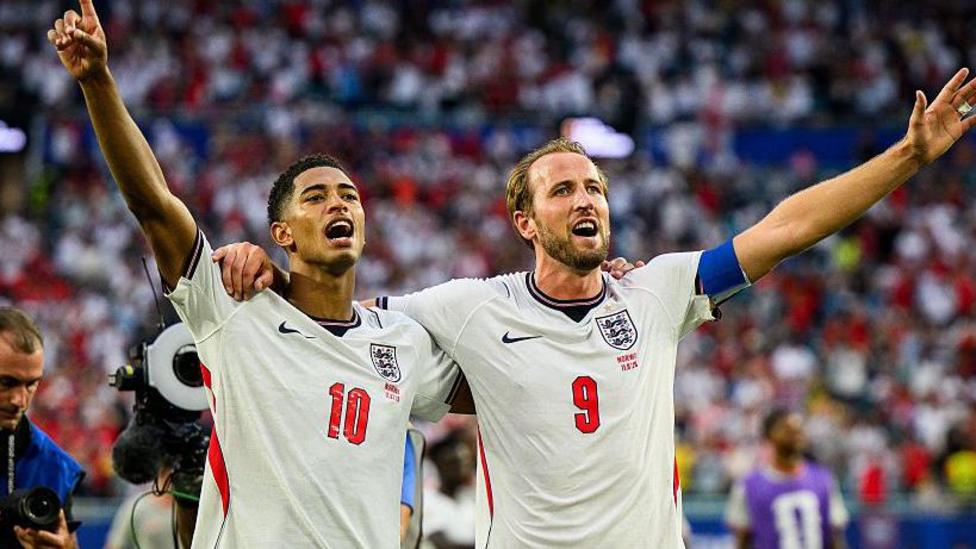
Rooney Crowns Bellingham: England's New Golden Boy Delivers
Wayne Rooney says Jude Bellingham has been the World Cup's best. It's more than praise — it's a generational torch passing.
England's Kansas City Gamble Is Backfiring At the Worst Possible Time
The FA's central base camp sounded smart on paper. In reality, it has England racking up miles no other quarter-finalist comes close to.
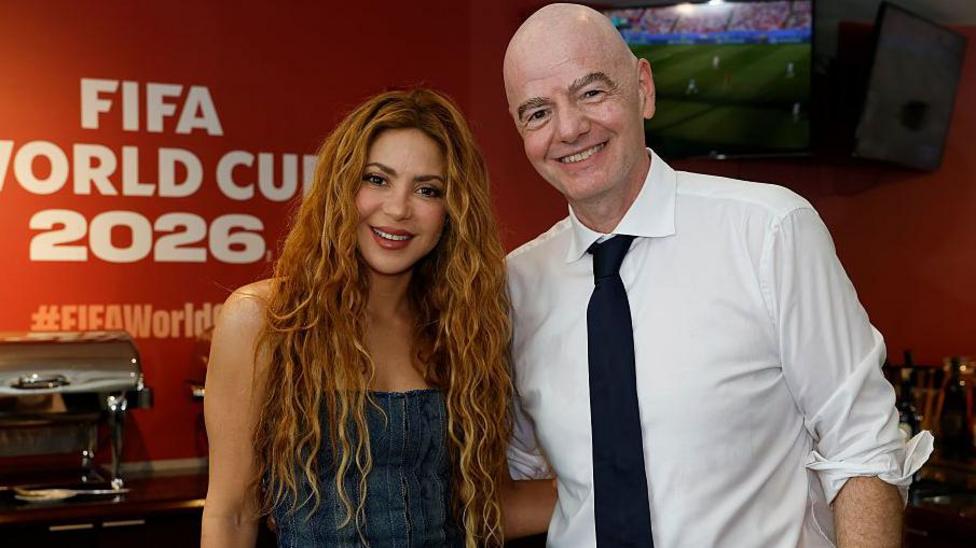
World Cup Final Half-Time Break to Last Up to 25 Minutes
FIFA approves an extended half-time break of up to 25 minutes for the World Cup final, disrupting traditional football rhythm for a global spectacle.