Latham's Fabulous Century Puts New Zealand in Command
Tom Latham's masterful ton at Trent Bridge silences England's attack and gives New Zealand crucial day-one dominance.
The shadow stretched long across the Trent Bridge outfield, but Tom Latham stood entirely in the light.
The New Zealand captain had just watched another delivery whistle past the off stump, leaving him on 98. The crowd hummed with that specific tension only a nervous nineties can generate. England's fielders crowded the bat, sensing vulnerability. Latham, however, felt nothing but certainty.
When the next ball arrived, slightly over-pitched and angling in, he leaned into the drive. The bat met the ball with a crack that echoed around the historic ground. It raced to the boundary. The young spectators fielding at the edge of the playing surface barely had time to react.
A captain's innings. A statement of absolute defiance.
The Anatomy of a 'Fabulous' Ton
BBC Sport's analysts did not mince their words. They called it "fabulous." In the sterile world of modern cricket broadcasting, that adjective carries weight. It is reserved for innings that transcend mere run-scoring.
Latham's century on day one of the third Test was exactly that. It was a masterclass in navigating the swinging ball under overcast Nottingham skies. The conditions screamed for England's seamers. The toss was a monumental event. Yet Latham turned the environment to his advantage.
His shot selection bordered on the flawless. The cut shot, a weapon he has honed over 87 Test matches, was deployed with surgical precision. Whenever England's attack dropped short and offered width, Latham's hands flew. The ball crashed into the point boundary with metronomic regularity.
"He played the late cut with the nonchalance of a man finishing a Sunday crossword. The shot execution was simply fabulous under this immense pressure."
But it was the straight drive that truly defined the aesthetic of the innings. To play that shot against the moving new ball requires supreme confidence in your technique. Latham's head position remained perfectly still. His front foot stretched to the pitch of the ball. The follow-through pierced the vast Trent Bridge infield.
The Key Shot Breakdown
- The Cover Drive: Unleashed exclusively on full, wide deliveries. The timing was brutal, beating the diving cover fielders to the fence.
- The Pull Shot: Used sparingly but effectively to disrupt the length of England's pace attack, sending a clear message that anything short would be punished.
- The Late Cut: A shot of pure genius. Deceived the keeper and the slips, rotating the strike when the boundary options were choked off.
- The Straight Drive: The anchor. The shot that said he would not be moved, regardless of the.
The Captain's Burden
Leading a touring side in England is perhaps the most demanding job in cricket. The Dukes ball swings more than any other global brand. The overhead conditions are a lottery. And the home crowd creates a wall of noise that never truly subsides.
Latham absorbed all of it.
Every time England struck, removing a partner at the other end, the captain simply recalibrated. He switched gears from accumulator to anchor. It is a skill that has defined New Zealand cricket over the past half-decade, a legacy passed down through Kane Williamson and now resting heavily on Latham's shoulders.
The mental fortitude required to bat through an entire opening day of a deciding Test cannot be overstated. Latham faced down the new ball. He survived the middle-session lull. He weathered the second new-ball burst. That requires hundreds of micro-decisions, each one potentially innings-ending if judged incorrectly.
England's Frustration
For Ben Stokes and his attack, day one was an exercise in attrition. They bowled well. There is no disputing that. The seam movement was present, the carry to the keeper was consistent, and the fields were inventive.
But Latham rendered their best efforts toothless.
The frustration was palpable. Stokes kicked the turf. The bowlers pushed their lengths further up, seeking swing and seam. They pitched it fuller, desperate for the edge. Latham simply adjusted his trigger movement, getting into line, and smothering the movement.
When England dropped short, they disappeared. When they over-pitched, they were driven. It was a day of cricketing checkmate.
"We hit good areas. We asked questions consistently throughout the day. But you have to hold your hands up sometimes and say the batter played incredibly well."
Transfer Intel: The Commercial Impact
While cricket operates outside the chaotic summer transfer windows of football, Latham's innings has immediate commercial ramifications. His stock in franchise leagues just skyrocketed.
- IPL Retention Value: A solid Test technique against pace translates to T20 reliability. Expect franchise scouts to circle Latham's name for the upcoming mega auction, particularly as a top-order anchor.
- Bat Sponsorship: A 'fabulous' century at Trent Bridge is prime real estate for sponsor visibility. Equipment brands will be queueing up to secure the man who dominated a global broadcast audience.
- Central Contract Leverage: For New Zealand Cricket, locking down Latham long-term just became an even bigger priority. His leadership AND batting stability are now irreplaceable assets.
The Trent Bridge Narrative
Trent Bridge holds a special place in cricket lore. It is a ground where the ball traditionally dominates the bat. Averages here are lower than at The Oval or Lord's. To score a hundred on day one, when the pitch is at its most helpful for the bowlers, is a feat that demands respect.
Latham understood the assignment. He left the balls that needed leaving, a discipline that sounds simple but is agonizingly difficult in the heat of Test battle. He punished the bad deliveries. He turned the strike over with pushes into the off-side.
The moment he brought up the century was one of pure, undiluted emotion. The helmet came off. The bat was raised to the New Zealand dressing room, where his teammates stood on the balcony to applaud. It was not a celebration of arrogance, but of sheer relief and vindication.
What This Changes for the Series
The context of this match cannot be separated from the innings. Heading into the third Test, the series hung in the balance. A dominant day one sets a precedent.
- Psychological Edge: New Zealand have seized the initiative. From here, they can build a total that puts England under immense pressure in the fourth innings.
- Bowling Workload: By batting for the entire day, Latham has saved his own bowlers crucial overs in the field. Freshness matters deeply in back-to-back Tests.
- Tactical Dominance: Latham has effectively shown England that their go-to plan does not work against a disciplined left-hander. They must now invent a new strategy.
However, England’s bowlers struck two late blows to wrestle back some momentum. The tourists finished the day on 290-3, a strong position, but the late wickets ensured the hosts did not end the day completely empty-handed.
Bigger Picture: The Art of Accumulation
In an era obsessed with Bazball, strike rates, and boundary-hitting, Latham's innings served as a reminder of Test cricket's enduring soul. It is a format that rewards patience above all else.
The modern cricket discourse often dismisses three-hour sessions of attrition. But those hours are the foundation upon which Test victories are built.
Latham's century was not flashy. The word 'fabulous' perfectly captured its quality. It was fabulous in its correctness, in its unwavering commitment to the fundamentals of the game.
As day two dawns at Trent Bridge, the initiative remains with the tourists, but England’s late fightback means the game is still in the balance. England must build on that breakthrough to pull New Zealand back. But to dismantle a man playing with this level of conviction and technical mastery will require something exceptionally special.
Latham has laid the platform. Now, it is about capitalizing on the foundation.
The series hinges on the next two days of cricket. And right now, Tom Latham still holds most of the aces, though England have peeked at a couple.
Updated: 2026-06-25 — Added England's two late wickets to the end of day one summary.
Editorial Integrity
This is an original SportPulse article written by our editorial team. All content is independently researched, written, and reviewed by our writers and editors before publication. We do not publish copied, aggregated, or syndicated content.
SportPulse is committed to original sports journalism. Read our editorial policy or contact us with any questions.
More Like This
All long-reads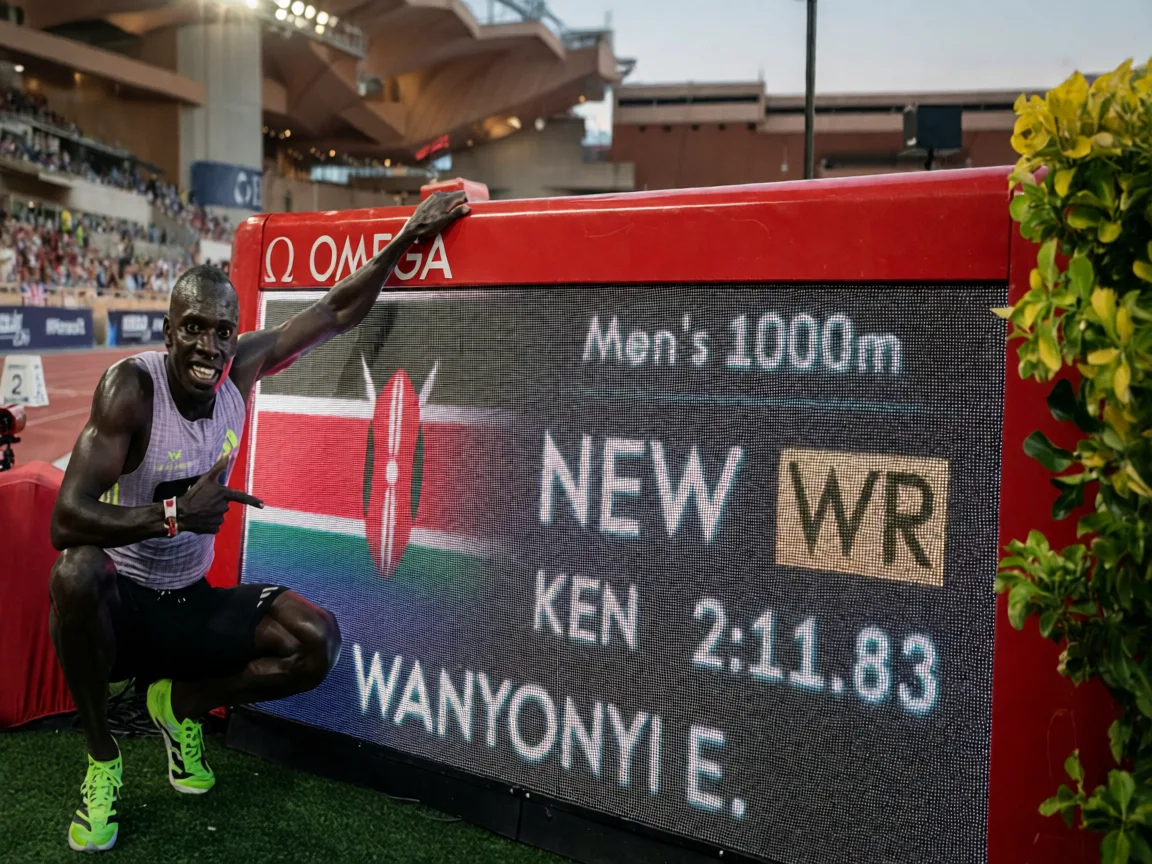
Wanyonyi Erases 27-Year 1,000m Record in Monaco
Kenya's Emmanuel Wanyonyi shattered a quarter-century-old world record on his 1,000m debut while Julien Alfred scorched the Monaco track.

Sussex Turn to Matt Walker as Farbrace Successor for 2027
Former Kent coach Matt Walker appointed Sussex head coach, succeeding Paul Farbrace ahead of the 2027 season.
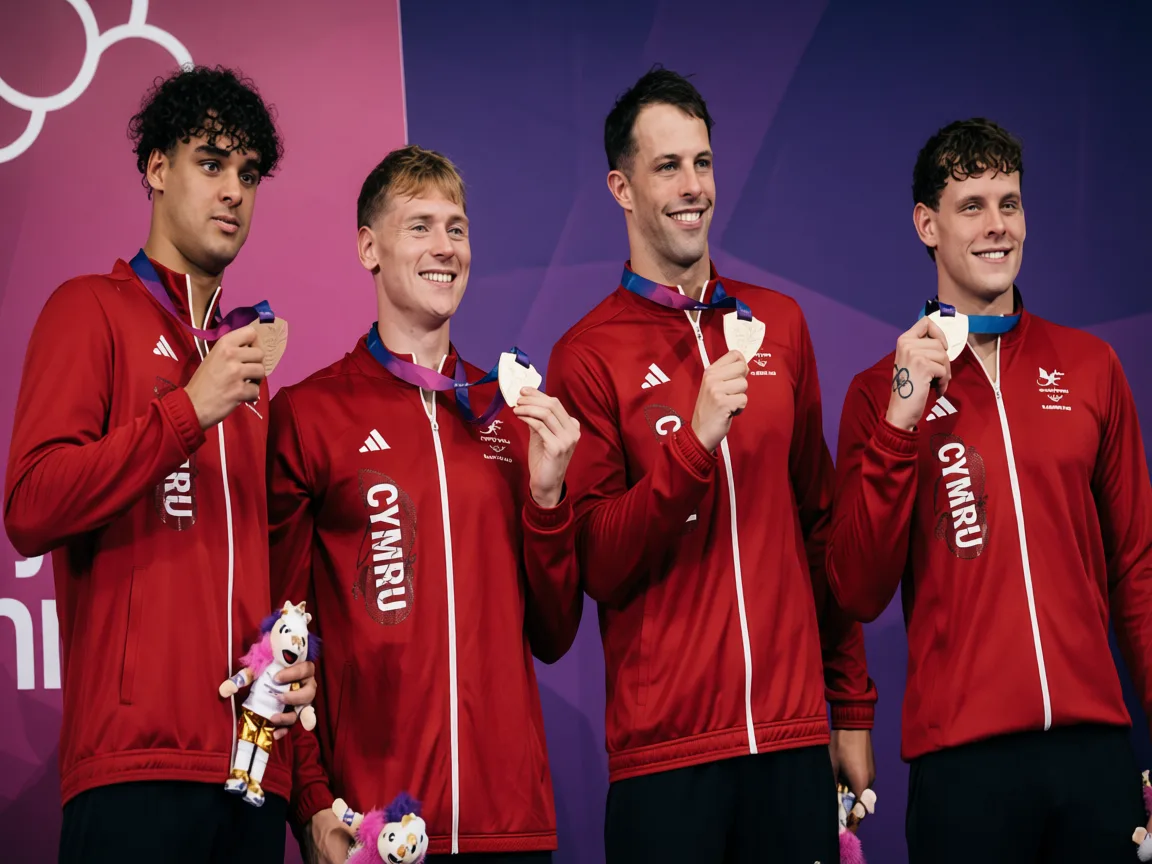
Wales Claim Fourth Pool Bronze in Commonwealth Games Relay
The Welsh 4x200m freestyle relay team added another bronze to the nation's growing swimming medal tally at the Commonwealth Games.