Lawson's VCARB Seat: Technical Reality Behind the Hype
Liam Lawson's life away from the track is one thing; his technical fit inside a VCARB chassis is where the real engineering questions live.
F2 champion and Red Bull junior Liam Lawson recently let cameras follow him for a day away from the circuit, a short drive from his home, somewhere he clearly felt comfortable. The off-track portrait is human and relaxed, a young driver stepping briefly out of the-pressure cooker. Interesting as a character beat, but the work he faces at Visa Cash App RB on track is where engineering meets career pressure, and the variables are dramatically less forgiving.
What VCARB Gives Lawson to Work With
The VCARB-01 is the most competitive car the Faenza squad has fielded since the regulations reset. Piloted for much of 2024 by Yuki Tsunoda, the car has shown genuine Q3 pace on several weekends, a marked shift from previous seasons where the team existed as a pure development crucible.
The chassis philosophy leans on the Red Bull aerodynamic concept, as lineage would suggest, but interpretation matters. Adrian Newey's influence flows through the pull-rod front suspension geometry, a layout that governs how the front wing interacts with the floor's leading edge under braking. The car is not a clone of the senior Red Bull challenger, but it borrows the intellectual framework.
Lawson has been embedded in that ecosystem long enough to understand the architecture. The question is whether his feedback vocabulary translates into setup direction.
Telemetry Tells, Simulator Misses
The gap between simulator and race weekend is where reserve drivers earn or lose promotions. Lawson's Red Bull junior résumé includes time in the team's simulator, contributing to the development of the car's differential settings and brake balance maps under various fuel loads specific to track degradation profiles.
Listening to a car on a rig in Milton Keynes is not feeling it porpoise through Turn 8 in Jeddah. The hydraulic suspension systems that dominate ride-height sensitivity behave differently when real asphalt abrasion values replace the rig's idealised surface model. A driver who can detect a 0.2-degree steering offset in the warmup lane at an unfamiliar track is more valuable than one fast over a single lap.
Lawson's Measuring Stick Against Pérez
The competitive context for the second half of 2024 is defined by instability above him. Sergio Pérez's contract situation at the senior team has put Lawson's name in speculative rotation alongside Yuki Tsunoda as viable replacements if Pérez's form dips further.
Pérez sits second in the drivers' standings, a comfortable margin behind Max Verstappen. The seat is not under threat. It is under evaluation. For Lawson, that means his current role is a waiting game measured against Pérez's scoring rate and the rate at which Red Bull's championship lead erodes.
If McLaren or Ferrari close the gap in the constructors' fight, the tolerance for a P2 driver scraping points decreases. Lawson's job is to be ready to step in and deliver immediately, with none of the acclimatisation laps a rookie season normally buys.
The Setup Translation Problem
A feature of Red Bull's junior pipeline has been drivers who excel in F2 machinery, where mechanical grip and low-rake aero sensitivity reward aggression, but struggle to adapt to the razor-thin setup windows of F1 cars built around Verstappen's preferences.
The current generation of ground-effect cars, introduced for 2024 and refined through VCARB's aero department, reward a driver who can live with front-end instability on corner entry. That's the car demanding a particular rotational style through the apex, sacrificing stability for rotation.
Lawson's job during simulator sessions is to give VCARB's engineers data. Each lap he logs at the factory builds setups for races he may not drive. That is the pipeline functioning as intended.
Singapore and the Pressure of Real Kerbs
The next round of races will test whether the VCARB-01 can maintain its Q3 form at a circuit where set-up trade-offs bite hard. Singapore's Marina Bay layout combines sustained cornering sequences with multiple direction changes over kerbs that punish a stiff front end.
Lawson's experience on street circuits from his junior career should translate to the confidence to attack the walls and exploit the braking zones at Turn 14 and Turn 15.
The technical demand is different. The car's drag-to-downforce ratio compromises long apex performance, and the power-train's cooling requirements restrict setup options in conditions where track temperatures exceed 35°C even after sunset.
Lawson will work with VCARB engineers to find a set-up that allows him to extract performance around Singapore's bumpy street circuit, where the car's ride-height sensitivity dominates weekend progress.
Pérez, by contrast, will be racing for his immediate future. The paradox for Lawson is that his best path to a Red Bull seat runs through his own performance in a VCARB, not Pérez's struggles. Each clean weekend, each productive simulator session, each accurate feedback note adds to a technical dossier the senior team evaluates. The off-track personality profile makes him relatable. The on-track data makes him employable.
Editorial Integrity
This is an original SportPulse article written by our editorial team. All content is independently researched, written, and reviewed by our writers and editors before publication. We do not publish copied, aggregated, or syndicated content.
SportPulse is committed to original sports journalism. Read our editorial policy or contact us with any questions.
More Like This
All f1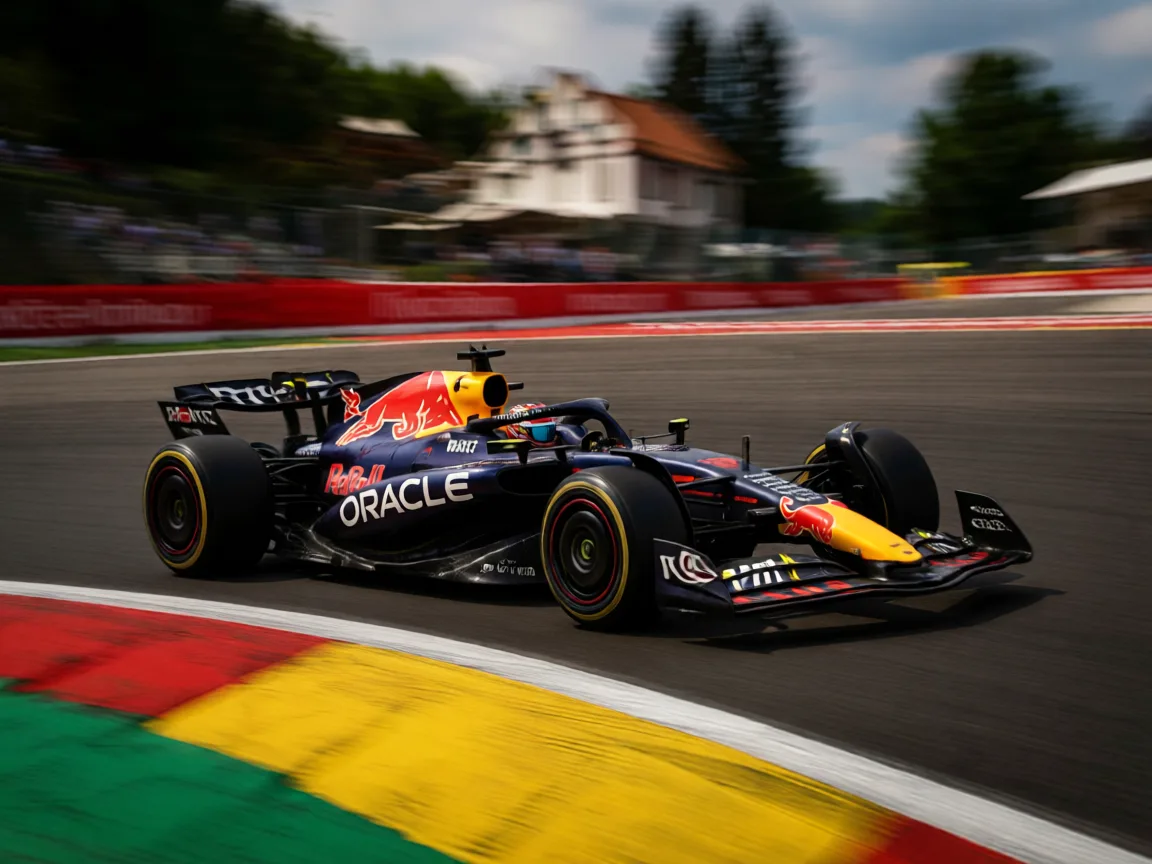
Verstappen Controls Spa Opening Practice, Hadjar Penalty Reshuffles Grid
Max Verstappen topped Belgian GP first practice ahead of Lewis Hamilton, while Isack Hadjar's grid penalty added post-session intrigue.
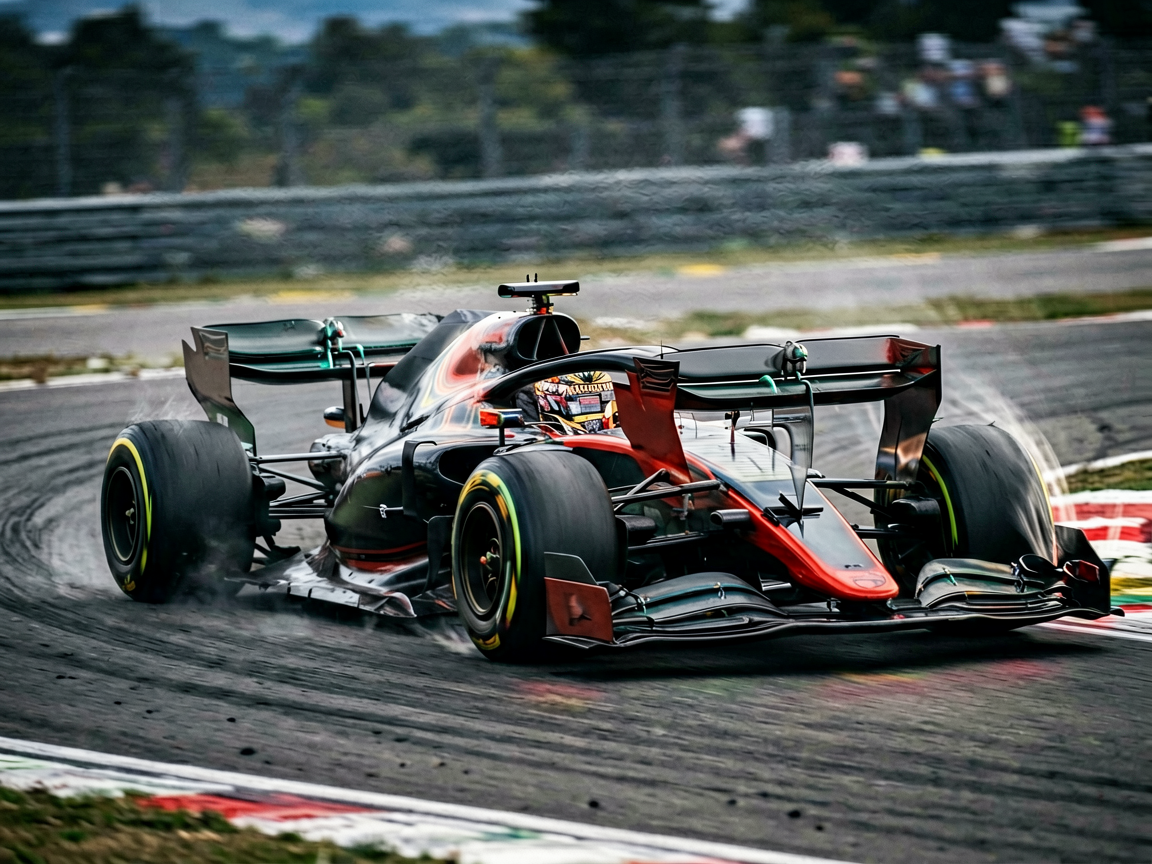
Silverstone's Aerodynamic Warfare: Why McLaren Holds the Edge
McLaren's high-speed aero efficiency meets Silverstone's sweeping corners, making Lando Norris the technical favorite over Red Bull.
Decoding The Professor: How Prost Engineered F1 Greatness
Alain Prost didn't outgun rivals; he out-engineered them. A deep dive into the technical mastery of F1's ultimate cerebral champion.