Rees-Zammit Concedes Rugby Struggles After NFL Gamble
The Welsh speedster admits his first season back in rugby was uneven after his bold NFL pivot with the Jacksonville Jaguars fell short.
The Honest Confession
Louis Rees-Zammit has never been one to sugarcoat reality. The Wales wing openly admits he has not found his feet back in rugby after a turbulent first season marked by underwhelming performances and visible frustration.
It is a striking admission from a 23-year-old who was once considered the most electrifying talent in European rugby. His return from a bold NFL gamble has produced more questions than answers.
The numbers tell a sobering story. After scoring 10 tries in his final full season with Gloucester before his American pivot, Rees-Zammit managed just a fraction of that output across all competitions this term.
When The NFL Dream Stalled
In January 2024, Rees-Zammit shocked the rugby world by walking away from a lucrative Gloucester contract to join the NFL's International Player Pathway Program. He landed with the Jacksonville Jaguars as a running back and kick returner prospect.
The move was bold, polarizing, and deeply ambitious. But the nieuws cycle was unkind to the Welshman after he was waived before the regular season even began.
The Comeback Trail Hits Warfare
Returning to rugby was never going to be seamless. Rees-Zammit signed with a Premiership club and was thrust back into the brutal physicality of a sport he had abandoned for nearly a year.
The muscle mass built for NFL combine drills was not suited for the aerobic demands of top tier rugby. His trademark explosive sprints looked muted. The instinctive timing that once made him a lethal finisher appeared a half second slow.
Inside the Wales camp, anxiety lingered. Staff watched tape of his performances and debated whether the swagger that defined his early career could be reclaimed.
A Season Of Mixed Signals
Rees-Zammit showed flashes of his old magic during the Six Nations, reminding everyone of his raw pace and finishing ability. But those moments were isolated, not sustained.
He struggled with the nuanced demands of modern rugby's tactical system. Positioning, defensive reads, and spatial awareness required recalibration after months of absorbing a completely different sporting language.
The Welsh national team felt his absence sharply. A backline that once revolved around his lethal pace lacked cohesion without a fully tuned Rees-Zammit firing on all cylinders.
The Locker Room Atmosphere
The environment inside the Wales dressing room during the latter stages of the Six Nations was thick with frustrated energy and quiet tension. Players sat in silence, stuck in their own thoughts after a string of narrow defeats that exposed their attacking deficiencies.
Rees-Zammit sat hunched at his locker, still in his mud streaked jersey, staring at the floor. A member of the backroom staff crouched beside him, offering a few quiet words before the wing gave a single, slow nod. The weight of a difficult return was etched across his face. This was not the triumphant homecoming anyone had scripted.
Across the room, forwards peeled off tape and slammed kit bags, the frustration of a campaign that promised much but delivered too little hanging heavy in the air.
##.What The Numbers Reveal
- 0.3 tries per game this season, down from 0.7 in his final pre NFL campaign
- 11 kilograms of muscle added during NFL training, later partially shed returning down for rugby's aerobic demands
- 8 caps earned during his disrupted return season with Wales
- 1 blockbusting performance that fully recalled his pre NFL form
The Quote
"I've not found my feet back in rugby. It has been a difficult first year back and a big transition. I know I need to make a bigger impact next season."
The Tactical Adjustment
Modern rugby wings are required to be far more than finishers. They are the first defenders out of the line, the aerial Contestants in the backfield, and the playmakers who must read destructive kicks milliseconds before they happen.
Rees-Zammit's NFL training honed his straight line speed and physicality but did little for the chaotic spatial awareness that elite rugby demands. Opposition kickers routinely found grass behind him, testing his positioning under pressure.
The learning curve was steep and often public. Every misstep was dissected by pundits who questioned whether the NFL sabbatical had permanently derailed his trajectory.
The Bigger Picture For Welsh Rugby
Wales is a nation that depends on its width providers. The historical success of Welsh rugby is built on the poetry of its three quarters and the finishing firepower of players like Shane Williams, George North, and now potentially Rees-Zammit.
When their primary weapon is misfiring, the entire offensive structure suffers. Coaches must decide whether to build plays around a half configured star or look for alternative threats elsewhere in the backline.
The upcoming autumn internationals will serve as a critical litmus test. Rees-Zammit needs minutes and momentum, but Wales needs results against tier one opposition.
What It Means
Rees-Zammit's honest admission is a reality check on the modern athlete's pursuit of multi sport careers. The NFL dream cost him valuable development time and disrupted the rhythm that once made him a generational prospect.
But if the Welsh speedster can channel this difficult season into a relentless summer of introspection and physical recalibration, the story might still have a triumphant third act. All eyes will be on his preseason form and whether the blistering pace and lethal instinct that once terrorized defenses across Europe can truly be reclaimed.
Editorial Integrity
This is an original SportPulse article written by our editorial team. All content is independently researched, written, and reviewed by our writers and editors before publication. We do not publish copied, aggregated, or syndicated content.
SportPulse is committed to original sports journalism. Read our editorial policy or contact us with any questions.
More Like This
All football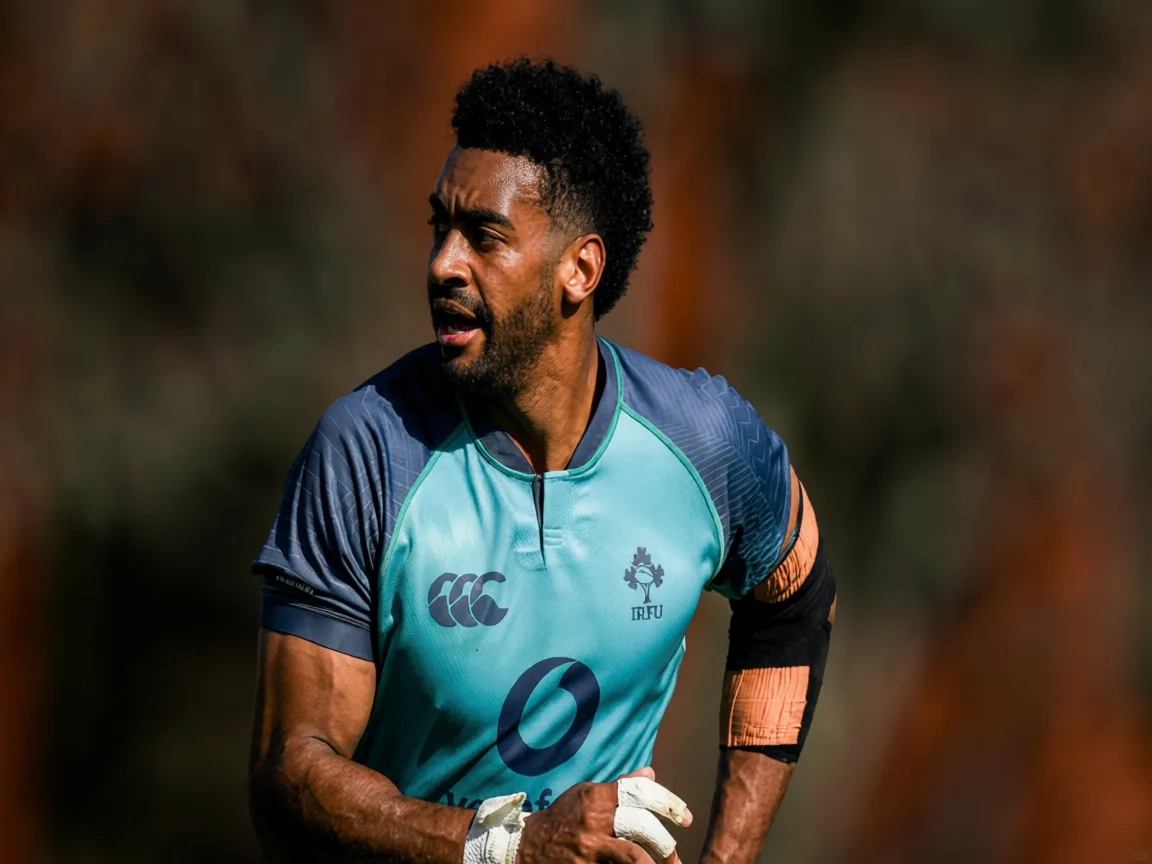
Baloucoune Recall Signals Ireland Intent Against All Blacks
Robert Baloucoune's return for Ireland's Nations Championship clash with New Zealand in Auckland signals a statement of attacking intent.

Michael Olise's Origin Story Is Anything But Ordinary
From Hounslow's pitches to Bayern Munich via Crystal Palace, Michael Olise's rise reshapes how we assess modern football talent.
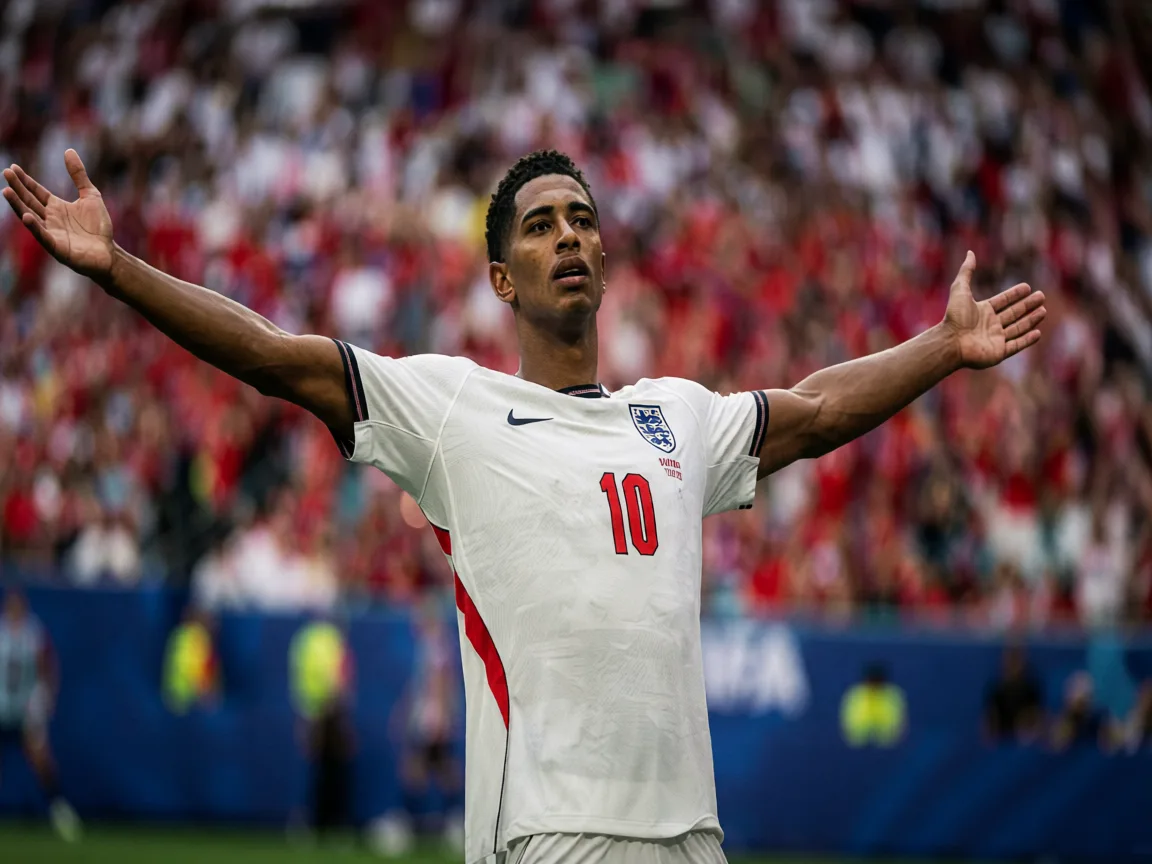
Bellingham Ascends to World Cup Legend Tier with Messi in His Sights
Jude Bellingham is matching all-time World Cup records, and a tactical showdown with Messi looms as his next frontier.