Luke Littler and the Teenage Darts Phenomenon No One Saw Coming
A 16-year-old from Warrington rewrote darts history at Alexandra Palace. How did Luke Littler get here?
A Kid Walks Into Alexandra Palace
Luke Littler walked onto the Alexandra Palace stage at 16 years old, and the darts world tilted. The Warrington teenager didn't arrive as a curiosity or a novelty act. He arrived as a genuine contender, and that distinction matters enormously in a sport where experience and composure under pressure are supposed to separate the men from the boys.
His run to the 2024 PDC World Darts Championship final was not a fairy tale. It was a systematic dismantling of established professionals, match after match, on the biggest stage the sport offers. By the time he faced Luke Humphries in the final, Littler had already proven something that most people in darts considered impossible: a teenager could compete at the highest level and look like he belonged there.
"I just go up there and throw my darts."
That was Littler's philosophy, stripped bare. No sports psychologist, no elaborate pre-match routine, no pretence. Just a kid who could group three darts tighter than almost anyone on tour.
Built in Youth Tournaments, Forged on the Stage
Littler didn't materialise from nowhere. He had been winning youth titles and making a name for himself in developmental circuits long before the Alexandra Palace cameras found him. His talent was an open secret in the darting community: a natural throw, preternatural calm, and the kind of scoring power that most professionals spend a decade trying to develop.
What made his World Championship run so jarring was the ease with which he adapted to the pressure. The Ally Pally crowd is one of the most raucous atmospheres in British sport. Thousands of fancy-dress fans, singing, chanting, beer flying. Experienced players have wilted under it. Littler fed off it.
Match after match, his averages held. His checkout percentages remained steady. The doubles dropped when he needed them. The narrative shifted from "isn't this lovely" to "this kid might actually win the whole thing" somewhere around the quarter-finals, and it never shifted back.
The Humphries Final and What It Revealed
Luke Humphries ultimately won the 2024 World Championship final, denying Littler the title. But the defeat told us almost as much as a victory would have. Littler didn't freeze. He didn't crumble. He competed in a final on the biggest night in darts, at an age when most players are still figuring out their throw in county leagues.
Humphries, to his credit, was magnificent. He was the established force, the player who had earned his ranking through years of grinding results. He played like a champion. But he also knew, every leg, that the kid across from him could punish any lapse.
The final didn't diminish Littler. It confirmed what every round before it had suggested: this was not a fluke. This was a generational talent announcing himself.
From Curiosity to Commercial Force
The aftermath of that tournament changed Littler's life. His face was everywhere: back pages, social media, television segments that wouldn't have touched darts a year earlier. He became the entry point for a new audience, people who had never watched a dart thrown competitively but tuned in because a teenager was doing something extraordinary.
Sponsorship interest surged. Media requests multiplied. The question facing Littler and his team became less about talent and more about management: how do you protect a teenager from the weight of sudden, intense public expectation?
The sport's powerbrokers recognised what they had. Littler was a marketable star in a way that transcended darts. He was young, relatable, and terrifyingly good at his job. The PDC had found its crossover figure.
What the Numbers Said About His Game
Littler's scoring power was elite from the first dart. His treble-20 hitting rate across the tournament matched or exceeded players with a decade more experience. His checkout finishing under pressure was remarkably composed for someone his age.
But the raw averages only told part of the story. What set Littler apart was his decision-making in key moments: knowing when to set up a finish, when to switch to a different target, when to play percentage darts versus when to go for the big checkout. Those are instincts that can't be coached easily. They come from thousands of hours of competitive play in youth tournaments, where Littler had already banked more reps than most teenagers.
The Weight of What Comes Next
The hardest part of Littler's story has always been the next chapter. Darts history is littered with players who burned bright for a tournament and faded. The PDC tour is relentless: week after week, event after event, with the world's best waiting to test the new kid.
Littler has continued to compete on the senior tour since his World Championship run, posting results that confirm his talent is sustainable rather than episodic. The averages remain high. The composure holds. The throw hasn't changed.
He is still a teenager. He still lives at home in Warrington. He still, by all accounts, approaches the oche with the same simplicity he always has: walk up, throw darts, try to hit what you're aiming at.
The darts world spent years asking how a 16-year-old could do what Luke Littler did at Alexandra Palace. The answer, ultimately, is the most boring one imaginable: he's really, really good at throwing darts. The stage didn't change that. The crowd didn't change that. The cameras didn't change that.
He was built for it. He just happened to arrive earlier than anyone expected.
Editorial Integrity
This is an original SportPulse article written by our editorial team. All content is independently researched, written, and reviewed by our writers and editors before publication. We do not publish copied, aggregated, or syndicated content.
SportPulse is committed to original sports journalism. Read our editorial policy or contact us with any questions.
More Like This
All long-reads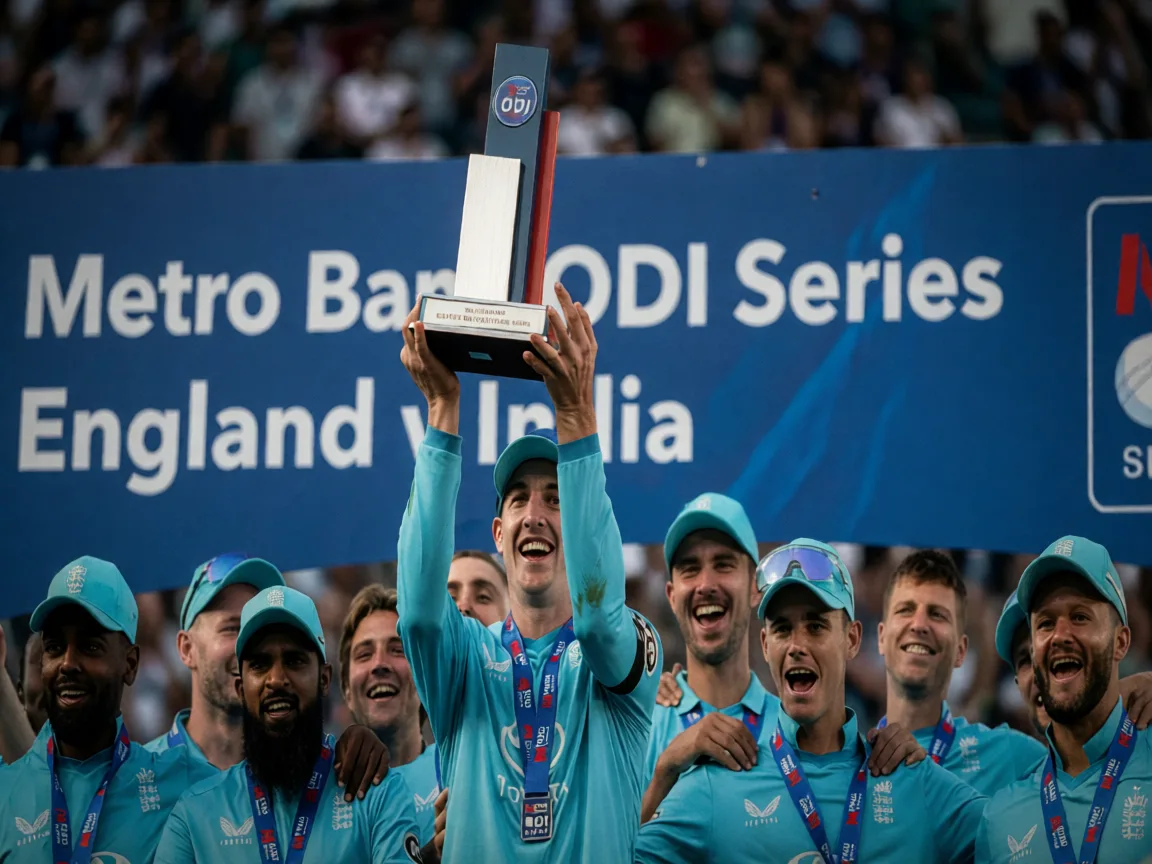
England's ODI Revival Is Real — But One Series Won't Win a World Cup
England beat India 2-1 in ODI cricket, signaling revival one year out from the World Cup — but deeper issues remain.
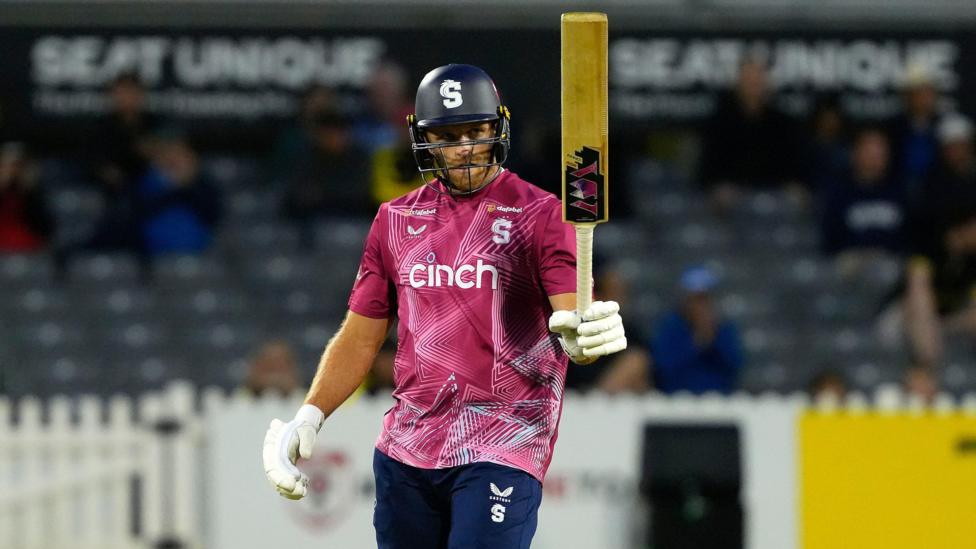
Northants Steelbacks Keep Perfect T20 Blast Record Alive
Northamptonshire Steelbacks extend their flawless T20 Blast campaign with a statement win at Bristol against Gloucestershire.
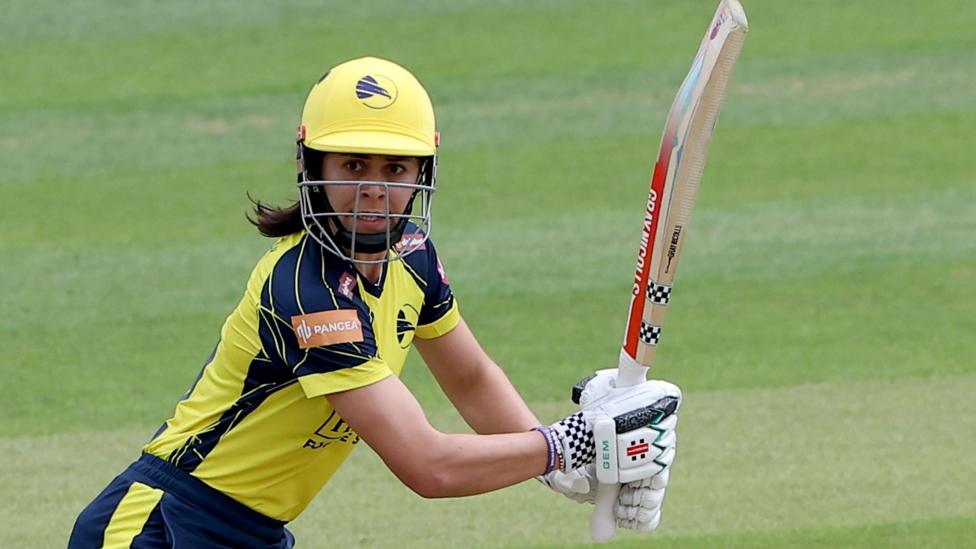
Hampshire Pull Clear as The Blaze Surge in Women's T20 Blast Shake-Up
Hampshire's ruthless consistency opens a two-point gap at the summit while The Blaze leap into second with statement win over Essex.