MacInnes masters her nerves to secure Commonwealth Games silver
Scottish swimmer Keanna MacInnes feared anxiety would derail her medal hopes, but found a way to deliver under pressure at the Commonwealth Games.
MacInnes turns pre-race anxiety into a Commonwealth silver medal
Keanna MacInnes stood on the blocks knowing the swimmer across the lane was not her greatest threat. The Scot had arrived at the Commonwealth Games carrying a burden no training set or taper block could eliminate: the kind of nerves that tighten shoulders, shorten strokes, and turn months of preparation into a blur of missed timing.
MacInnes had spoken openly before the meet about her fear that anxiety would wreck her chances of reaching the podium. She treated the admission as a starting point. Acknowledging the nerves rather than denying them gave her a framework for managing them on race day.
Commonwealth Games finals carry a specific kind of pressure. National expectation sits on top of international competition. Family and teammates fill the stands. MacInnes had to execute the technical demands of her race with precision while absorbing all of it.
A silver medal that confirms MacInnes belongs at international level
Silver at a Commonwealth Games is a serious result. The competition draws elite swimmers from across Commonwealth nations, many of whom train in programmes in Australia, England, Canada, and South Africa. Standing on the podium requires delivering your best swim when the environment is designed to make that difficult.
MacInnes did exactly that. The details of her race plan and split times remain her own, but the outcome points to her growth as a competitor. Athletes who can convert pre-race anxiety into focused execution make the jump from national-level talent to international medal contender.
That progression is not automatic. Swimmers who dominate domestic meets often struggle to reproduce that form under Games pressure. The pool is the same length, the clock is the same, but the context changes everything. MacInnes handled the shift.
Scottish swimmers punching above their weight under their own flag
MacInnes' silver adds to Scotland's record in the pool at Commonwealth level. Scottish swimmers have consistently overperformed at these Games, benefiting from a development system that prioritises international readiness and from the advantage of competing under their own flag rather than being absorbed into a larger British team.
For MacInnes, the medal validates years of incremental progress and puts her in conversations about the sport's rising talents. Physical preparation can be measured in training logs. Mental resilience is only proven in the arena.
Her willingness to discuss her anxiety publicly also matters beyond her own career. In a sport where mental health conversations have accelerated since the Tokyo cycle, athletes who speak honestly about performance anxiety help normalise a struggle that affects competitors at every level. MacInnes acknowledged the nerves, managed them, and produced a career-best swim on the biggest stage available to a Scottish swimmer.
The consistency question after a breakthrough swim
A Commonwealth Games medal reshapes an athlete's trajectory. For MacInnes, it provides proof that she can perform when it matters most, a credential that will inform her confidence in future competitions. It also raises expectations, bringing the same kind of pressure she has just learned to manage.
The challenge now is replicating that performance. One standout swim in a high-pressure environment is a breakthrough. Repeating it across multiple competitions separates occasional medallists from the sport's consistent elite. MacInnes has shown she has the temperament.
Athletes who have stood on the podium often report that the experience reduces future pressure: the knowledge that they have done it before serves as an anchor. For MacInnes, that anchor is now in place.
Editorial Integrity
This is an original SportPulse article written by our editorial team. All content is independently researched, written, and reviewed by our writers and editors before publication. We do not publish copied, aggregated, or syndicated content.
SportPulse is committed to original sports journalism. Read our editorial policy or contact us with any questions.
More Like This
All long-reads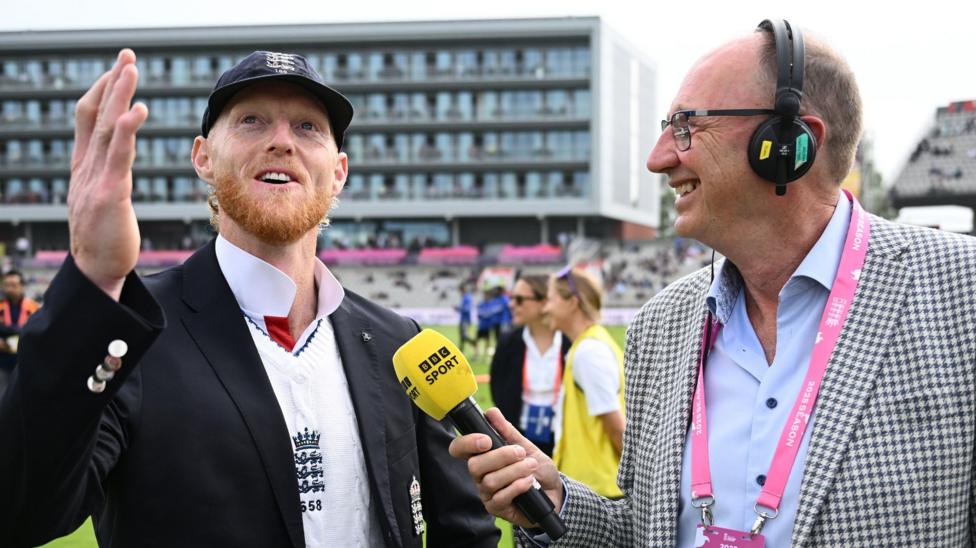
Ben Stokes Walks Away: The Unconventional End to a Revolutionary Captaincy
Ben Stokes stunned cricket by retiring mid-Test as England captain — an exit as unpredictable as the man himself.
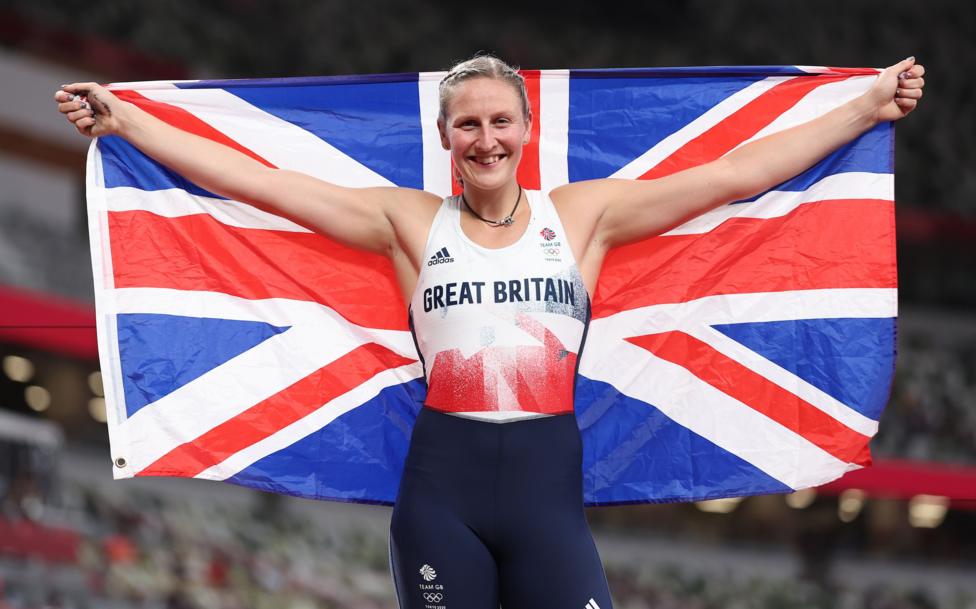
The Camera Angle Reckoning Reshaping Women's Sports Broadcasting
New broadcasting guidelines on respectful camera angles expose a deeper crisis in how women's sports are framed, filmed, and consumed.
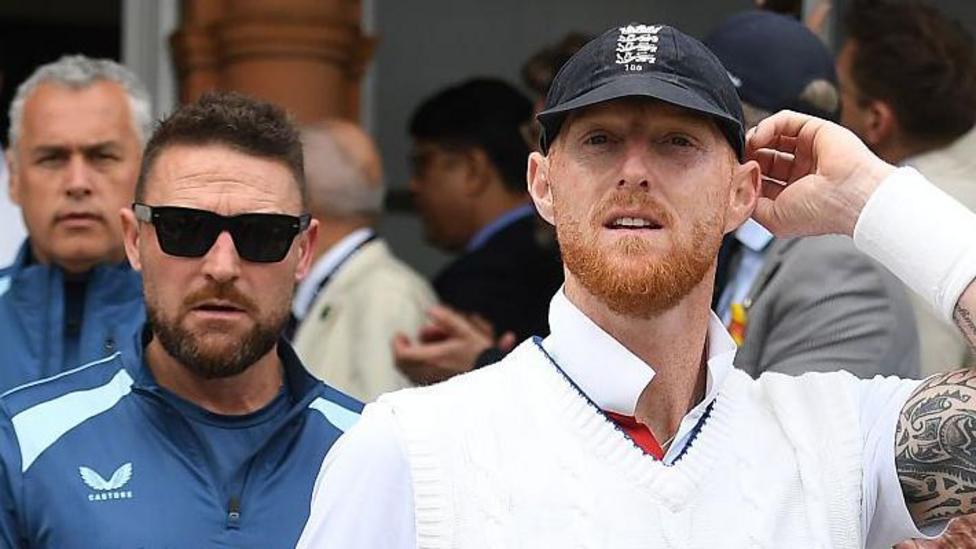
England Cricket Faces Tactical Void After Fortnight of Crisis
A dismal fortnight exposes England cricket's systemic flaws, demanding urgent answers over coaching philosophy and tactical identity.