Man Utd's Ticket Ultimatum: Loyal Fans Told They Want Us Gone
A touting crackdown at Old Trafford is sweeping up decades-long season ticket holders, and supporters say the club knows exactly what it is doing.
'They Want Us Gone'
The message landed in inboxes with the clinical tone of a corporate compliance department. Turn over your ticket. Explain who has been sitting in your seat. Accept the terms, or lose your season ticket entirely.
For some Manchester United supporters, that ultimatum confirmed a suspicion that has been building for months. This is not about touting. It is about who gets to remain inside Old Trafford at all.
"They want us gone."
That is how one supporter framed it to BBC Sport, and the quote cuts to the centre of a confrontation between the club and a fanbase that feels deliberately targeted. United have positioned their recent actions as a crackdown on ticket touting, the unauthorised resale of seats at inflated prices. The supporters caught in the dragnet tell a different story: one of loyalty punished, identity questioned, and decades of attendance reduced to a data point in a fraud investigation.
How the Crackdown Works
United introduced tighter ticketing controls across this season, sharpening a system designed to identify seats being passed on or sold outside official channels. The club tracks attendance through turnstile data and cross-references it with the registered season ticket holder. If a seat is scanned regularly by someone who cannot verify their connection to the account, the club demands an explanation.
Fail to provide one, and the ultimatum follows. The seat is revoked.
United last week contacted fans who used six or more devices to access accounts linked to the club or to forward tickets, viewing this as evidence of potential seat-buying for resale. Members are only allowed to forward tickets to other members, or sell them back to United.
On paper, the policy targets touts who profit from United's demand outstripping supply. Old Trafford holds 74,310 spectators, and the waiting list for season tickets runs into tens of thousands. Every seat passed unofficially to a friend, a family member, or a buyer represents revenue the club cannot capture, and a data point it cannot control.
But the supporters speaking to BBC Sport describe a system with a far wider blast radius. They argue the crackdown is catching loyal fans who have held passes for decades, supporters who occasionally share a seat with a son or brother when work or illness prevents attendance. No money changes hands. No tout profits. The seat is still occupied, still red, still theirs. The club, in their reading, does not care about the distinction.
The Loyal Caught in the Middle
The phrase "most loyal fans" is doing heavy lifting in the supporters' accounts, and in this case it is earned. Season ticket holders at United represent a thread of continuity that stretches back through Ferguson, through the Glazer takeover, through the Super League revolt. Many have held the same seat since the 1990s. Some inherited memberships from parents who queued at the Old Trafford ticket office before the Premier League existed.
These are the supporters now receiving letters asking them to prove they are not criminals.
The tension is not simply about tickets. It is about trust. United's relationship with its matchgoing base has been strained for two decades, fractured by leveraged debt, wholesale commercialisation, and a cycle of on-pitch underperformance. Each restructuring of the matchday experience, whether kick-off times dictated by broadcasters or ticket prices pushed toward corporate yields, confirms for a section of supporters that the club views them as customers first and custodians last.
"A crackdown on touting is affecting some of the club's most loyal fans."
The supporters who went to BBC Sport did so because private channels no longer felt sufficient. The grievance had outgrown fan forums and message boards. It needed a public record.
Supporters Groups Formalise the Complaint
Individual frustration has now hardened into formal collective action. United's official Fans' Forum, the Manchester United Supporters Trust (MUST), The 1958, and five other supporter groups have complained directly to the club over the suspensions.
Their shared position is that supporters are being "treated as suspects". The threshold the club used, flagging accounts accessed from six or more devices, assumes guilt before any meaningful process. A fan who logs in from a phone, a work laptop, a family tablet and shares access with a relative can clear that bar without ever selling a seat.
That these groups acted together matters. MUST is the recognised voice in structured dialogue with the club. The 1958 has organised matchday protests and is less inclined toward institutional negotiation. Bringing both into the same complaint, alongside five others, signals that the grievance has outgrown the usual channels of fan-board consultation. The club cannot dismiss this as a fringe objection.
The Business Behind the Intervention
United's front-office logic is visible to anyone who reads the balance sheet. Season tickets are a fixed-revenue line, predictable and capped. The club's broader matchday strategy has moved toward dynamic pricing, hospitality packages, and official fan engagement products that convert each seat into a higher-yielding asset.
A season ticket held by a supporter who paid a legacy rate and occasionally passed the seat to a family member is, from a revenue-optimisation standpoint, an inefficiency. The crackdown removes that inefficiency. Revoked seats return to the club's pool, available for redistribution through official channels at current market rates.
Whether that is the intended outcome or merely a convenient one is a distinction supporters are no longer willing to grant. They see a club that introduced a policy nominally targeting touts and has applied it broadly enough to reclaim seats from supporters who never sold anything.
The stated target: ticket touting.
The stated method: verification of seat occupancy against the registered holder.
The stated outcome: reduced illegal resale.
What supporters describe: loyal fans interrogated, seats confiscated, and a chilling message delivered to anyone who shares a ticket without the club's processed consent.
A concession before the season starts
Amid the pressure, United are planning to reinstate suspended season tickets before the season begins. The detail matters: the club has not publicly framed this as a reversal, framing it instead as a resolution of individual cases. But the timing concedes that the initial communications, casting a wide net based on device counts, swept up supporters the club does not intend to lose.
Reinstatement before matchday one protects United from the optics of empty seats or visible protest in early-season home fixtures. It also leaves the underlying policy intact. The device-tracking mechanism, the requirement to justify multi-device access, the burden on fans to prove they are not touts: all of that remains. The suspensions lift. The surveillance does not.
The Question United Have Not Answered
If the policy is working as intended, if touts are being removed and genuine fans protected, the club should be able to point to the differential. How many seats have been revoked from confirmed touts? How many from supporters who shared a pass with a relative? What proportion of the enforcement actions resulted in the seat returning to the official waiting list rather than a corporate package?
United have not published those figures. The supporters who spoke out did so because their own cases did not fit the narrative of a clean, surgical intervention against profiteers. They fit the narrative of a club tightening control over its customer base and calling it stewardship.
The formal complaint from eight supporters groups strengthens that challenge. It converts individual grievances into a documented, collective position the club must answer through its own governance channels, not just through press-office statements.
What the Matchgoing Base Looks Like Now
Old Trafford is not empty. The stadium fills for Premier League fixtures because the demand that made touting viable in the first place still exists. But the composition of that crowd is shifting, and the ticketing crackdown accelerates a change already underway. Long-tenured supporters replaced by newer, higher-yielding customers who interact with the club through apps, official membership schemes, and hospitality bundles rather than through the turnstiles their parents used.
For the fans who received the ultimatum, the message is not that touting will be stopped. It is that their particular form of loyalty, informal, cross-generational, resistant to being catalogued, no longer fits the club's operating model. The seat they held is not the asset the club wants to protect. The revenue it generates is.
United have not commented publicly beyond their stated commitment to tackling ticket fraud. The supporters who spoke out have made their position clear, and now their representative groups have formalised it. The gap between those two positions is where the trust once lived.
Updated: 22 July 2026 - Added details of formal complaint by eight supporters groups including MUST and The 1958, the six-device threshold for account flagging, and the club's plan to reinstate suspended tickets before the season begins.
Editorial Integrity
This is an original SportPulse article written by our editorial team. All content is independently researched, written, and reviewed by our writers and editors before publication. We do not publish copied, aggregated, or syndicated content.
SportPulse is committed to original sports journalism. Read our editorial policy or contact us with any questions.
More Like This
All football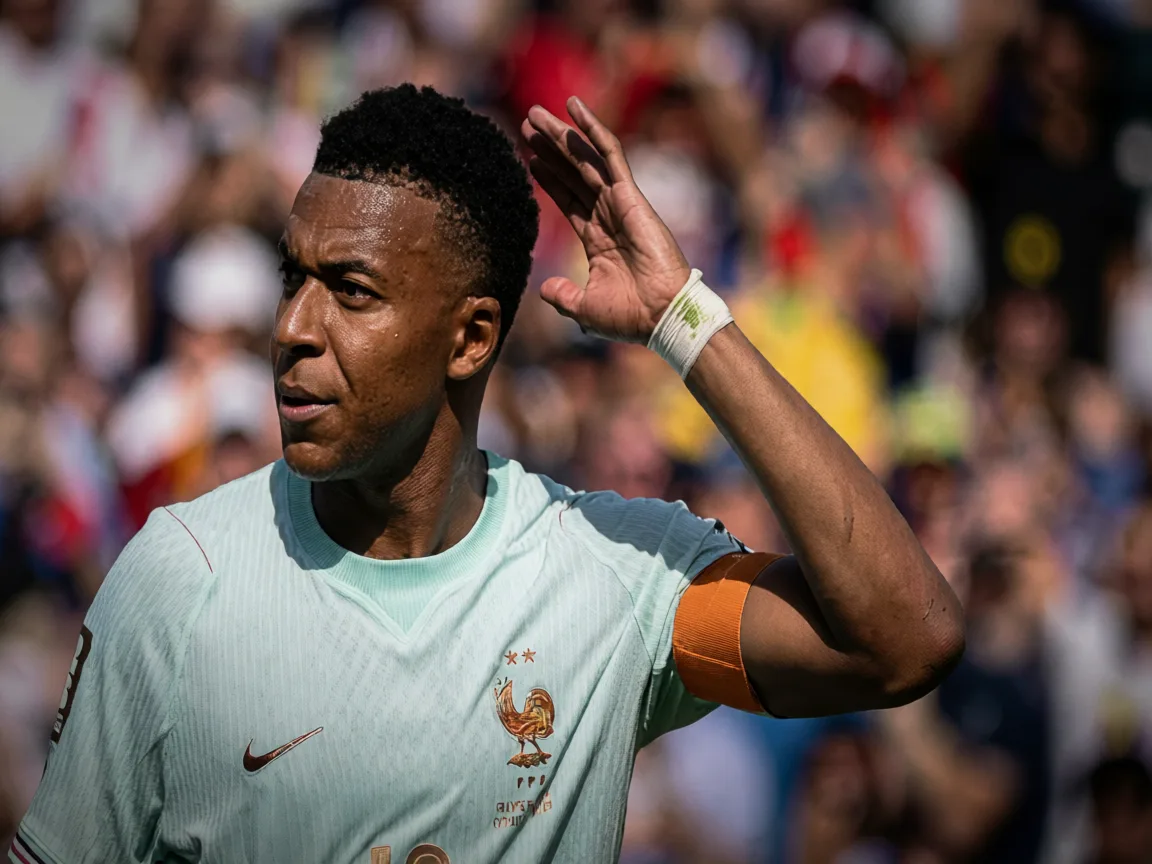
Three Minutes That Broke Mbappe: Bono's Boston Penalty Heist
Bono froze Mbappe for three agonizing minutes, then denied him entirely in a World Cup quarterfinal masterclass of psychological warfare.
How Stoke City Can Keep Spending Under Championship Squad Cost Rules
Football finance expert Kieran Maguire breaks down how Stoke City can navigate Championship Squad Cost Rules and still spend big this summer.
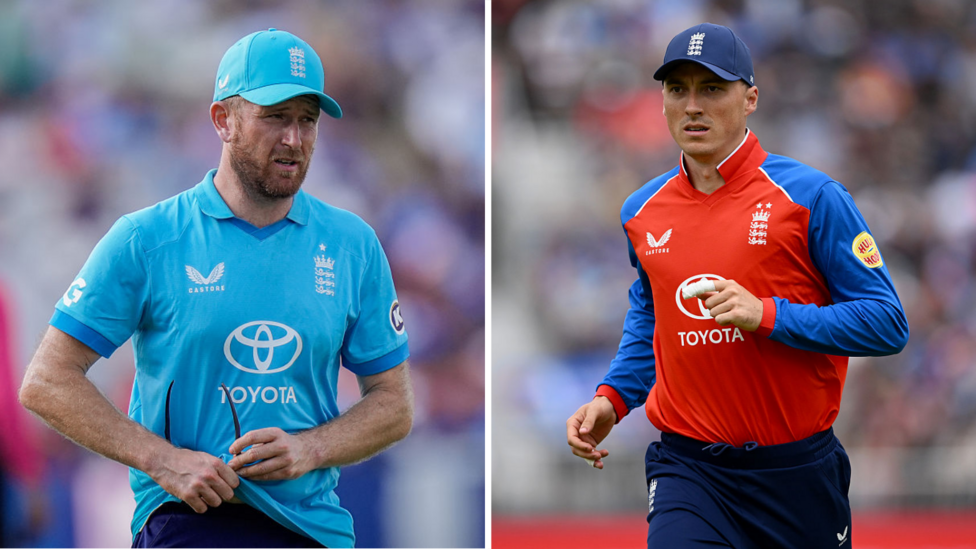
Dawson and Banton Released for T20 Finals Day
England release Liam Dawson and Tom Banton for T20 Finals Day, balancing international duties with domestic cricket's grandest stage.