The Silence at Old Trafford: United's Window Is Becoming a Crisis
Manchester United have missed two midfield targets and made zero signings. Patience is wearing dangerously thin.
When the Phone Doesn't Ring
There is a particular kind of silence that settles over a football club in crisis. It isn't the hush of a library or the calm before a derby. It is the silence of a phone that isn't ringing. A negotiation desk gathering dust. A recruitment team watching targets slip away, one by one, while the badge on the training ground wall stares back with cold indifference.
That silence now engulfs Manchester United.
The club confirmed this week that Mateus Fernandes, the young Portuguese midfielder who had been identified as a priority reinforcement, has slipped through their fingers. He becomes the second midfield target United have failed to secure this summer, a window that has now produced zero signings and growing unease among supporters who expected the INEOS era to mean more than rhetoric.
"The club is refusing to panic," sources familiar with the situation have indicated. But the distinction between composure and paralysis is a fine one, and Old Trafford is walking it with increasing wobbliness.
A Midfield That Needed Surgery
Context matters here, and the context is damning.
Manchester United's midfield was a structural liability last season. The numbers told a story that no amount of PR spin could soften. United ranked among the worst in the Premier League for pressing intensity in the middle third, consistently overrun by teams with less than half their wage bill. The combination of aging legs, tactical confusion, and a lack of dynamism left Erik ten Hag's successor (or whoever holds the touchline authority now) scrambling for solutions that never arrived.
The need was not subtle. It was not a luxury addition or a squad-depth signing. United needed a midfield overhaul, and they needed it fast.
Instead, they got silence.
Fernandes represented a specific profile: technically gifted, progressive on the ball, capable of operating in tight spaces. The kind of midfielder who doesn't just recycle possession but punctures defensive lines. Losing him to another suitor, after already watching a first target go elsewhere, raises uncomfortable questions about United's recruitment infrastructure, their pull, and their decisiveness in a market that waits for nobody.
Behind the Deal: The Commercial Reality
Transfer Intel
This is where the story gets complicated. United's transfer window isn't happening in a vacuum. It is happening inside the constraints of Profit and Sustainability Rules (PSR), inside a boardroom reshuffled by INEOS, and inside a financial reality that Sir Jim Ratcliffe's team inherited rather than created.
The Glazers left behind a wage structure that hemorrhages money. United's debt remains substantial, their revenue streams, while enormous, are stretched across commitments that leave less room for maneuvering than the fanbase imagines. Every signing requires a financial calculation, and every calculation this summer has apparently led to the same answer: wait.
But waiting has a cost, too.
The transfer market is a game of diminishing returns. The best targets get snapped up early. Prices fluctuate. And a club with United's current trajectory, finishing outside Champions League places, fighting to restore credibility, cannot afford to be the last one at the table picking through the scraps.
INEOS have spoken about building a smarter, more sustainable model. Few would argue against that principle. But principles don't win football matches. Players do. And right now, United don't have any new ones.
The INEOS Paradox
Here is the uncomfortable truth that nobody at Carrington wants to articulate publicly.
INEOS promised revolution. They promised a football-first approach, world-class recruitment, and a departure from the scattergun spending that defined the late-Glazer era. On paper, the intent was admirable. In practice, this summer is looking dangerously similar to the dysfunction it was supposed to replace, just with better press releases.
The recruitment structure was overhauled. New personnel were brought in. Processes were supposedly tightened. And yet the result is the same: a club watching from the sideline while rivals strengthen.
Liverpool have moved with purpose. Arsenal continue to layer smartly. Even Aston Villa and Newcastle have shown the kind of decisiveness that United once monopolized. Meanwhile, at Old Trafford, the mood music is one of patience and process. But process without output is just bureaucracy.
"The plan hasn't changed," is the line coming out of the club. But plans that produce nothing are not plans. They are excuses in waiting.
What the Numbers Say
- 0 signings completed this summer window
- 2 midfield targets missed in succession
- United's midfield ranked bottom half in the Premier League for progressive passes per 90 last season
- The club finished outside the Champions League spots, compounding recruitment difficulty
- Wage bill reduction remains a stated priority, limiting the scope for marquee arrivals
The Squad Looks Thin Because It Is Thin
Strip away the sentimentality, and the squad picture is sobering.
United's midfield options are not only insufficient in quality but dangerously low in quantity. Injuries to key players last season exposed a depth chart that would embarrass clubs operating on a fraction of the budget. The failure to address this, even partially, before pre-season preparations ramp up is not just disappointing. It borders on negligent.
Players currently in the squad are being asked to carry a burden that no amount of motivational speeches can lighten. The fitness staff know it. The coaching staff know it. And crucially, the players themselves know it. Morale in a dressing room watching the club fail to reinforce is fragile at the best of times. In the current climate, it is exposed.
There is also the ripple effect to consider. Remaining targets in the market will watch how United operate this summer and draw their own conclusions. If the club cannot move decisively on identified priorities, why would the next wave of targets choose Old Trafford over a more organized rival? Recruitment is not just about scouting. It is about reputation, momentum, and trust. All three are taking damage.
What Comes Next
The window is not closed. There is still time. But time is a depreciating asset in football's transfer market, and United have already spent most of their capital on targets that didn't land.
The club will pivot. They always do. Alternative names will surface, agents will be contacted, and eventually, someone will sign. The question is whether that someone represents a coherent vision or another panic buy dressed up in a carefully worded announcement.
United's pre-season schedule looms. The squad will reconvene with glaring holes and unanswered questions. The new campaign arrives faster than any boardroom memo acknowledges, and the gap between ambition and reality is widening.
"No panic," they say. But at Old Trafford, the silence speaks louder than any official line.
The fans who fill the Stretford End every other week are not unreasonable people. They understand rebuilding. They understand patience. What they will not accept, what they should not accept, is a club of this stature, with this revenue, making excuses for inaction while the rest of the Premier League leaves them behind.
Manchester United promised a new era. So far, it looks remarkably like the old one.
The Clock Is Ticking
Every summer window has a tipping point, a moment when patience curdles into frustration and frustration hardens into something uglier. United are approaching that moment, if they haven't already arrived.
Fernandes was supposed to be part of the answer. He is now part of the problem, another name added to the list of players who could have been red but won't be. The recruitment team will dust themselves off and move to the next name on their list. The question that hangs over everything is whether their list is any good, and whether the club behind it can actually deliver.
For now, the silence continues. And at a club where noise has always been the currency, that quiet is deafening.
Editorial Integrity
This is an original SportPulse article written by our editorial team. All content is independently researched, written, and reviewed by our writers and editors before publication. We do not publish copied, aggregated, or syndicated content.
SportPulse is committed to original sports journalism. Read our editorial policy or contact us with any questions.
More Like This
All football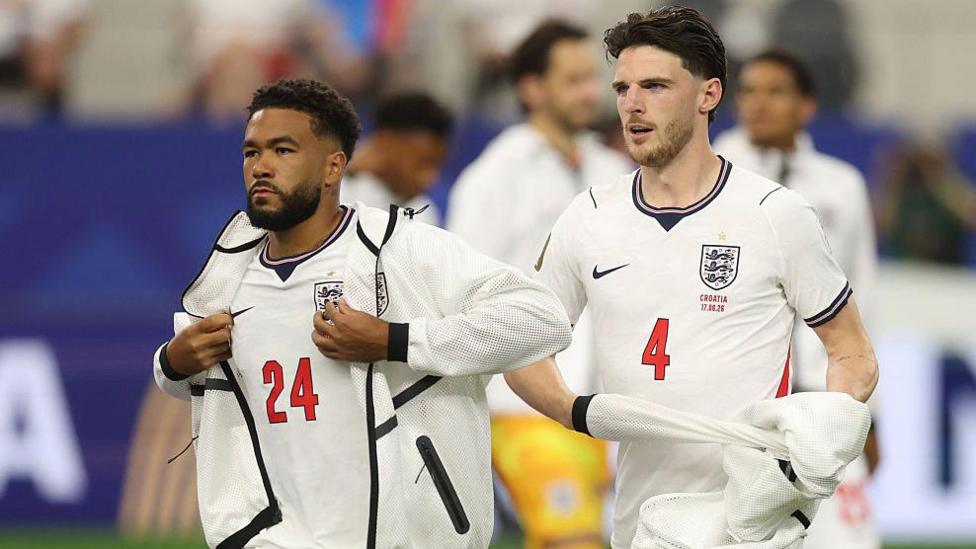
Fitness Race: James and Rice Sweat Over Panama Decider
England's knockout prospects hinge on late fitness tests for Reece James and Declan Rice ahead of the Panama group finale.
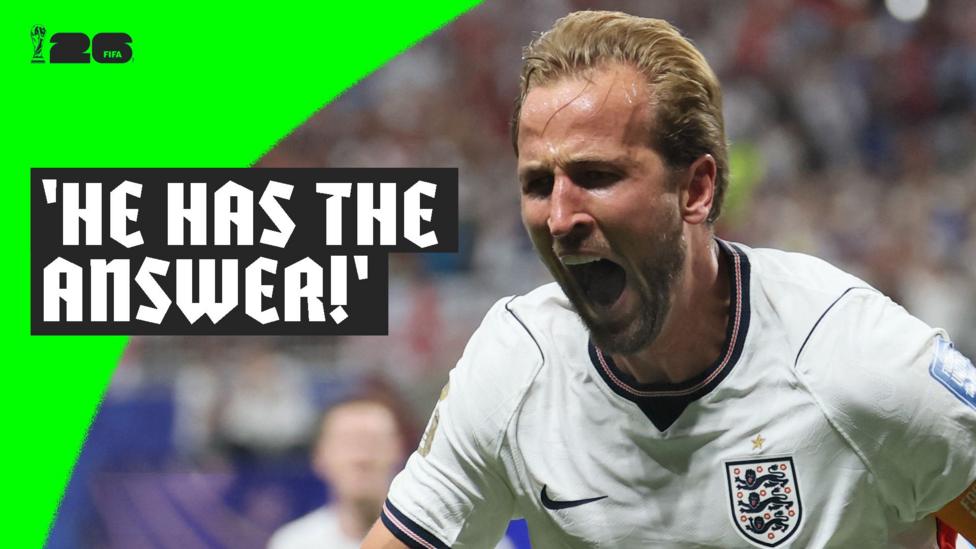
Kane's Thunderbolt Saves England's Blushes Against DR Congo in Atlanta
Harry Kane's late rocket spared England from embarrassment against a spirited DR Congo side in Atlanta.
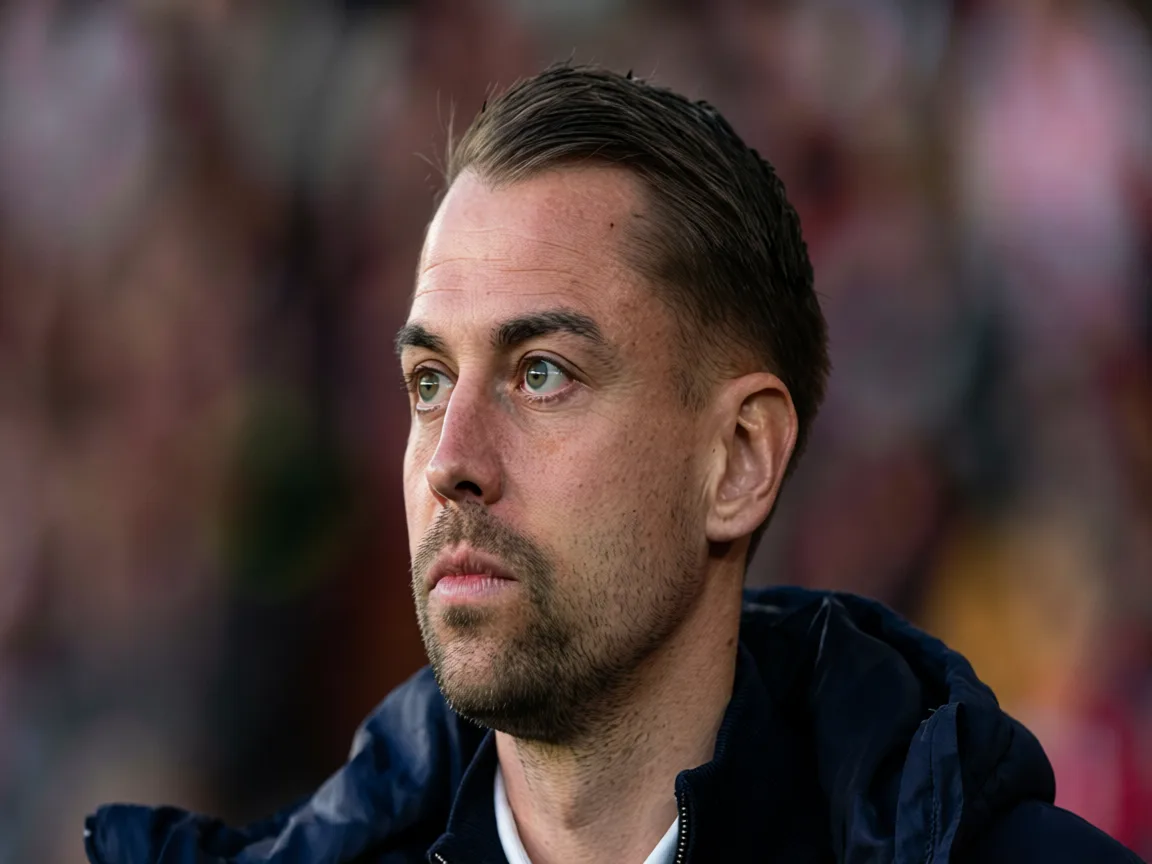
It Hurts: Eckert Breaks Silence on Saints Spygate Judgement
Southampton boss Tonda Eckert admits the Spygate judgement was tough to read after the club's Championship play-off expulsion.