Manu Kone Is The Midfield Prize United and Arsenal Cannot Afford to Lose
Manchester United and Arsenal are circling Manu Kone, but only one club can offer the sporting project his profile demands.
The Midbriefing Market's Most Coveted Duel
Manchester United and Arsenal are locked in a transfer standoff over Manu Kone, and this is not your average summer gossip cycle. This is a collision of two sporting projects at different stages of identity construction, fighting over the same critical positional archetype.
The 21-year-old French international represents precisely the kind of midfielder both clubs have spent the last three transfer windows failing to properly identify and acquire. Kone is not a luxury signing, he is the load-bearing pillar of a modern tactical setup, and his destination will reveal volumes about which English giant is genuinely serious about structural overhaul.
Reading the Kone Blueprint
Understanding why Molineux's hierarchy and the scouting departments at the Emirates and Old Trafford converge on Kone demands a tactical dissection far beyond basic statistics. His role at Borussia Monchengladbach has evolved into one of the most intriguing midfield profiles in European football over the past two seasons.
Kone operates predominantly as a number 6 but with a dual-phase flexibility that makes him almost impossibly valuable in the contemporary game. In Gladbach's possession structures, he frequently drops between the center-backs to form a back three, enabling overlapping fullbacks to push devastatingly high. This is not a conservative act, it is an aggressive platform launch that effectively transforms a 4-2-3-1 into a 3-2-5 with the ball.
Progressive Passing as a Weapon
What sets Kone apart from the carousel of functional European destroyers is his progressive passing volume. The modern football intelligence consensus places an elite-quality number 6's progressive pass attempts at roughly 8.5 to 9.2 per 90 minutes, with a completion rate north of 82%. Kone consistently flirts with the upper echelon of this metric, combining silk and steel in a manner that Premier League sports directors have spent the last two summers desperately seeking to replicate.
His pressing metrics paint an equally compelling picture. Across an elite percentage of defensive phases, Kone engages in regen actions that directly lead to progressive transitions. The caliber of his pressing is not merely volume-driven, it is time-stamped to the specific moments where opposition build-up patterns are most vulnerable.
- Average progressive distance: elite percentile ranking across Europe's top five leagues
- Dual-phase flexibility: operates seamlessly between possession and transition frameworks
- Pressing success rate: consistently places him in the top tier of Bundesliga midfielders
- Ball recovery locations: predominantly in the middle and opposition thirds, not deep in his own half
"The modern number 6 is not a windshield wiper, he is a tactical nomad who dictates the geometry of the pitch."
The Arsenal Project: Completing the Jigsaw
For Arsenal, the pursuit of Kone represents the final, most critical piece of their midfield reconstruction. Mikel Arteta has spent the last two seasons rotating between functional options at the base of midfield, searching for the profile that genuinely completes the system.
Declan Rice has been transformative, but his optimal deployment historically has involved significant flexibility, often in a box-to-box capacity. Kone's arrival would provide Arsenal with the structural anchor that releases Rice into the phases of play where his athletic and technical ceiling reaches maximum impact.
Balancing the Midfield Equation
The Gunners' current setup frequently demands one of the midfield trio to sacrifice individual expression for collective stability. Kone's profile, specifically his ability to progress the ball under pressure while maintaining defensive solidity, would allow Arsenal to play with what tactical analysts term a free number 8, unshackling their most creative assets and adding a layer of dynamism that has been intermittently missing against low-block defenses.
The strategic fit feels nearly seamless. Arteta's system, with its emphasis on positional rotation and numerical superiority in the first phase of build-up, is perfectly designed to exploit Kone's lookahead passing range and defensive awareness.
The Bottom Line: Arsenal's pursuit is not about adding quality, it is about unlocking the full tactical expression of a midfield already capable of challenging for the Premier League title.
The United Equation: A More Complex Puzzle
At Old Trafford, the calculus shifts dramatically. United's interest in Kone reflects a deeper necessity, the foundational restructuring of a midfield that has functioned without a true positional anchor since the departures of historically elite operators.
Casemiro's transition from galactico destroyer to a player visibly negotiating the physical demands of English football has left a structural void. The Brazilian's declining athleticism has been compounded by a tactical shift that demands more sustained pressing from the deepest midfielder than his body and timing currently allow.
Kone would represent something fundamentally different at United compared to Arsenal. He is not a finishing piece, he is the opening statement of a rebuild. His arrival would allow United to properly construct a midfield hierarchy, with his absorptive pressing and progressive passing serving as the structural foundation rather than a complementary element.
The Need for Surgical Precision
The risk for United lies in the broader context of their recruitment strategy. Kone alone cannot solve a midfield where positional rotations lack the defined architecture of Arsenal's setup. His success would depend on the willingness of the manager to further diversify the tactical library and on the club's ability to make complementary signings.
Summerville and the Wider Market Dynamic
While United and Arsenal spar over Kone, the broader Premier League market is humming with parallel negotiations that contextualize the larger strategic landscape.
West Ham's rejection of the latest offer for Crysencio Summerville signals a broader trend: clubs outside the traditional Big Six are no longer acquiescent sellers willing to accept below-value propositions. The Hammers' stance on Summerville is part of a league-wide recalibration where mid-tier clubs are demanding valuations that reflect the new economic reality of broadcast revenues and the post-pandemic correction of transfer fees.
What the Summerville Saga Reveals
The Dutch winger's profile interests multiple Premier League suitors, but West Ham's firmness anchors a critical market principle. Selling clubs have realized that the gap between £15-20m squad player valuations and £30m-plus difference-maker valuations is narrowing sharply. This compression makes negotiations considerably more difficult for buying clubs accustomed to leveraging the financial gravity of their status.
- Market principle: sellers are anchoring valuations to ceiling projections rather than current output
- Negotiation timeline: extended discussions are becoming the norm, not the exception
- Selling club leverage: contract lengths and competition for signatures are being weaponized
The Nico Williams Variable
The summer's other major Premier League trajectory involves Nico Williams, with speculation intensifying around a potential move to the reigning champions. Williams, fresh off a breakthrough campaign and international recognition, represents a different prototype entirely from Kone.
Where Kone is structural, Williams is transformative. His profile as a line-breaking wide attacker with elite pace and a construction mentality makes him an asset capable of altering the tactical dimensions of any attack. The interest from Premier League champions underscores a strategic shift: the league's elite are no longer content with functional wide players, they are pursuing profile-elevating athletes whose specific skill sets align with tactical approaches demanding verticality.
The Decisive Weeks Ahead
The Manu Kone sweepstakes is not merely a transfer story, it is a referendum on sporting project credibility. Both Manchester United and Arsenal have the financial muscle to execute a deal, but the decisive factor will be the sporting proposition each club can offer.
Arsenal presents a near-complete architecture with a manager whose tactical system would immediately feature Kone as the solving variable. United offers the narrative appeal of being the foundational signing in a broader rebuild, but with the inherent risk of joining a project still finding its structural bearings.
The coming weeks will reveal not just where Kone lands, but what his decision tells us about the current hierarchy of ambition in English football's competitive landscape. The midfielder's choice will be a statement about which club can credibly sell the story of structural transformation to Europe's most sought-after talents.
Editorial Integrity
This is an original SportPulse article written by our editorial team. All content is independently researched, written, and reviewed by our writers and editors before publication. We do not publish copied, aggregated, or syndicated content.
SportPulse is committed to original sports journalism. Read our editorial policy or contact us with any questions.
More Like This
All football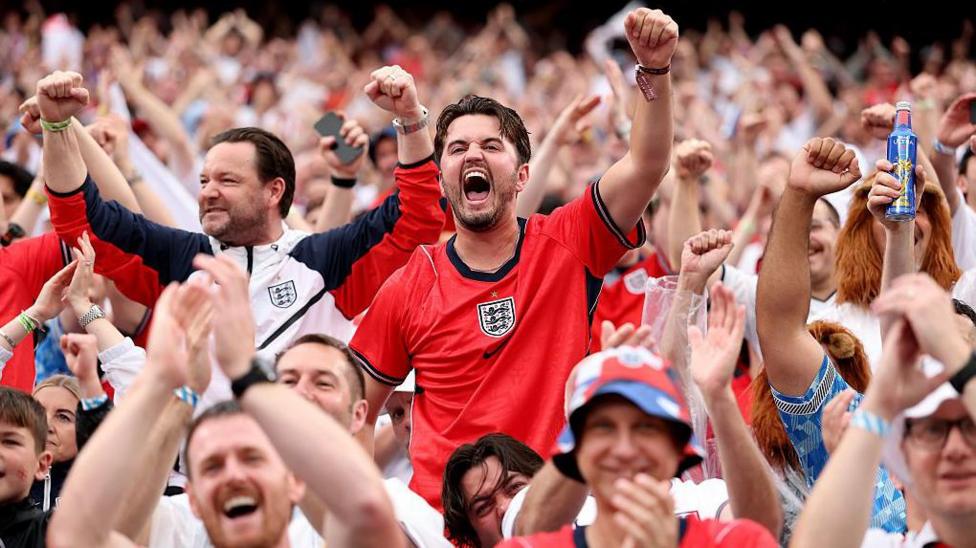
The England Fan Paradox: Angels Abroad, Trouble at Home
England's traveling support draws praise at the US World Cup, yet domestic incidents tell a troublingly familiar story.
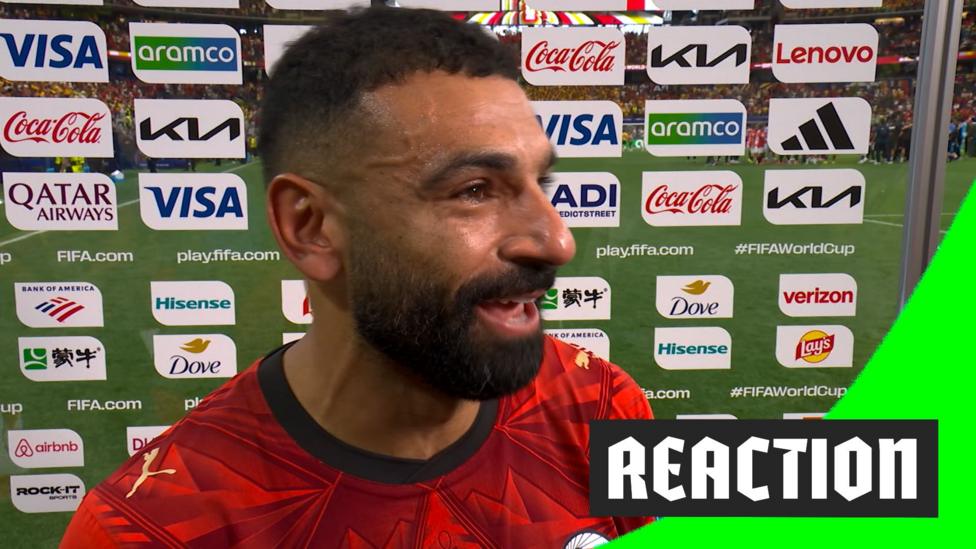
Salah's Panenka Sends Egypt Into World Cup Last 16
Mo Salah's audacious last-minute Panenka penalty shootout winner past Australia sends Egypt into the 2026 World Cup knockout stage.
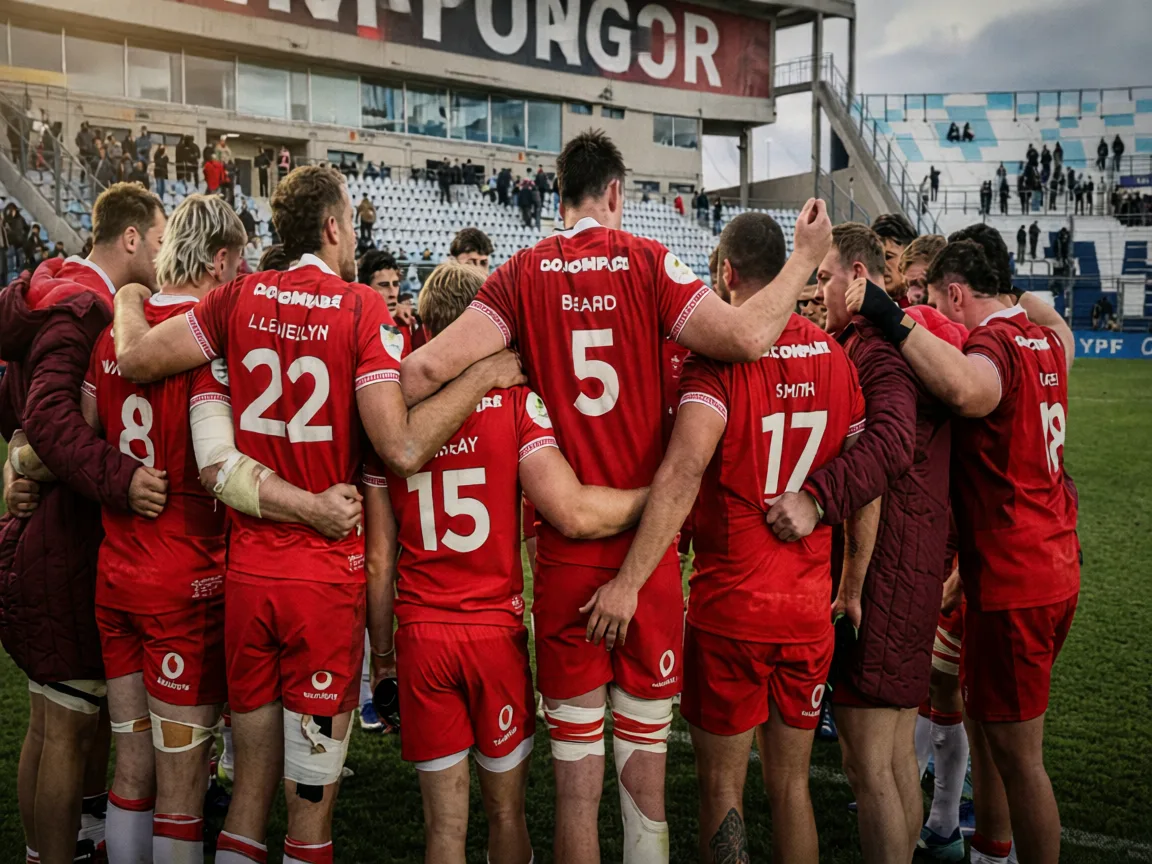
Argentina Deliver Brutal Reality Check to Wales in San Juan
Wales' summer momentum shattered in San Juan as Argentina dominated 35-21, exposing the gap between Test tiers.